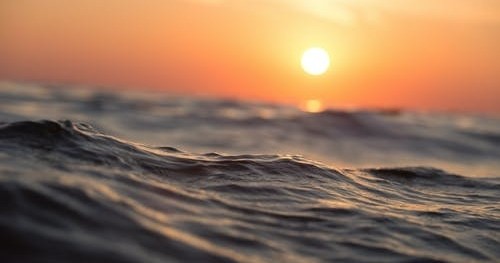
Boat Tours in Bonita Springs, Florida
Bonita Springs is where mangrove-lined estuaries meet the open sweep of the Gulf—an intimate coastal landscape that boat tours reveal best. From slow, interpretive eco-cruises that thread through labyrinthine channels to spirited sunset sails and guided shelling runs to nearby barrier islands, boat-based experiences are the clearest way to read this coast: its wildlife, tides, and human history. Expect close encounters with dolphins and manatees, sudden flocks of shorebirds, and quiet bays that feel like private worlds once you leave shore.
Top Boat Tour Trips in Bonita Springs
271 trips • Book with confidence • Instant confirmation
Why Bonita Springs Is a Standout Boat Tour Destination
There’s an intimacy to being on the water in Bonita Springs that land-based travel can’t reproduce. The town sits on the edge of a living estuary—Estero Bay—a mosaic of shallow seagrass flats, winding mangrove creeks, oyster bars, and barrier islands that buffer the Gulf. Boat tours are not just scenic rides here; they are directional tools for understanding how this coastal system breathes. A morning eco-cruise will move slowly enough to watch a pod of dolphins peel through a channel, to identify a lazy manatee grazing in a seagrass bed, and to hear a guide explain the rhythms of tides and the seasonal migrations of shorebirds. An afternoon shelling trip deposits you on a narrow spit of white sand—often on Cayo Costa or the lesser-known corners of Lovers Key—where the sand itself tells a story of currents and storms. Sunset sails and evening cruises condense the day’s light into a glowing horizon and offer a different palette of wildlife: pelicans diving into the last bright water, and sea turtles surfacing in the dim.
Boat tours in Bonita Springs run the gamut from purpose-built eco-vessels with naturalist guides to shallow-draft skiffs designed to slip into narrow tidal creeks. That variety means there’s a tour for nearly every traveler: families who want an easy, educational outing; photographers chasing golden-hour silhouettes; anglers seeking inshore structure and back-bay flats; and intimate groups looking for private charters that include snorkeling or shelling. The landscape itself—the interplay of mangroves, seagrass, and barrier islands—creates a choreography of habitats. Guides interpret not only the visible wildlife but also human histories: early Calusa use of the estuary, the shape of old shipping and fishing routes, and modern conservation efforts to protect seagrass and prevent shoreline erosion. Seasonal weather patterns shape the practical side of planning. Winters are mild and crowded with winter visitors drawn by calm seas and clear light; summers are lush and warm but bring afternoon thunderstorms and higher humidity. Wind matters here, too—onshore breezes in the afternoons can create choppy conditions out on the Gulf while keeping back-bays glassy and serene. For travelers, the result is a compact, accessible marine playground where a single half-day tour can feel like an immersive microexpedition—one that leaves you with a clearer sense of place and the practical knowledge to explore further by kayak, paddleboard, or private charter.
Boat tours unlock multi-ecosystem access: mangrove tunnels, seagrass flats, oyster bars, and barrier island beaches appear in a single outing, which is why many visitors choose guided trips to interpret the subtle signs of each habitat.
Local guides often combine wildlife viewing with practical tips—tide timing for shelling, best anchoring spots for swimming, and how to minimize impact on sensitive seagrass beds—making tours both experiential and educational.
Best Time to Visit
Best Months
Weather Notes
Bonita Springs has a subtropical climate: mild, dry winters with calm seas are favored for boat tours. Summers offer warm water and abundant wildlife but also higher humidity, afternoon thunderstorms, and the potential for tropical weather. Wind and tides strongly affect tour conditions—morning runs are typically calmer.
Peak Season
December–March (winter visitors and holiday travel increase demand for tours).
Off-Season Opportunities
Late spring and summer weekdays can mean better deals and less crowded beaches; summer is also prime for warm-water snorkeling and abundant juvenile marine life, though planning should account for afternoon storms.
Frequently Asked Questions
Do I need to book boat tours in advance?
During winter and holiday periods it’s wise to reserve in advance. Many popular morning eco-cruises and sunset sails sell out on weekends.
Are boat tours family-friendly?
Yes. Many operators offer family-focused tours with slower-paced routes, life jackets for all ages, and naturalist guides who keep kids engaged. Check age and safety policies for specific operators.
What about accessibility?
Accessibility varies by vessel. Some larger, low-step boats and public-charter operators offer easier boarding and restroom facilities; smaller skiffs and shallow-draft boats may require climbing a ladder or stepping down into the boat. Contact the operator ahead of time to discuss needs.
Choose Your Experience Level
Beginner
Short, interpretive eco-cruises and calm back-bay tours designed for quick wildlife viewing and minimal physical exertion.
- Mangrove estuary eco-cruise
- Short dolphin-spotting tour
- Sunset sail with light refreshments
Intermediate
Half-day excursions that include island landings, guided shelling, or beginner-level snorkeling—requires moderate mobility for beach landings and short walks.
- Cayo Costa shelling and beach day
- Guided snorkeling trip over seagrass edges
- Inshore fishing charter
Advanced
Full-day private charters, offshore fishing or multi-stop expeditions that require longer time on the water, tolerance for chop, and basic sea-sense.
- Full-day private Gulf charter
- Offshore fishing trips (requires safety briefing)
- Multi-stop eco and snorkel expedition
Insider Tips & Local Knowledge
Always verify tour availability, weather advisories, and operator safety credentials before booking.
Plan around tides for specific experiences—low tide exposes shell-rich flats but can make some shallow channels harder to navigate, while high tide eases access to mangrove tunnels. Sunrise and early-morning departures often deliver calmer seas, cooler air, and active wildlife, while sunset cruises offer dramatic light and photo opportunities. Choose reef-safe sunscreen and avoid stepping on seagrass or trampling dunes when disembarking. Ask your guide about local conservation efforts—many operators contribute to seagrass and shorebird monitoring—and look for captains who brief guests on minimizing disturbance. If you’re prone to motion sickness, sit mid-boat, face forward, and consider taking medication beforehand. Finally, check what the tour provides (water, restroom access, snorkeling gear) and whether gratuity or fuel surcharges are customary so there are no surprises on return to shore.
What to Bring
Essential
- Light wind/rain jacket (sea breeze and spray are common)
- Sunscreen (reef-safe), hat, and polarized sunglasses
- Reusable water bottle and motion-sickness meds if you’re prone
- Camera or phone in waterproof case
- Comfortable, non-marking shoes (some tours require short beach walks)
Recommended
- Binoculars for birding and distant wildlife
- Layered clothing for cooler winter mornings or breezy evenings
- Small dry bag for valuables
- Snorkel gear for tours that include snorkeling (if offered)
Optional
- Light towel and swimsuit for swimming stops
- Notebook for naturalist notes
- Extra phone battery or power bank
Ready for Your Boat Tour Adventure?
Browse 271 verified trips in Bonita Springs with instant booking
Explore Top 15 Bonita Springs, Florida Adventures →