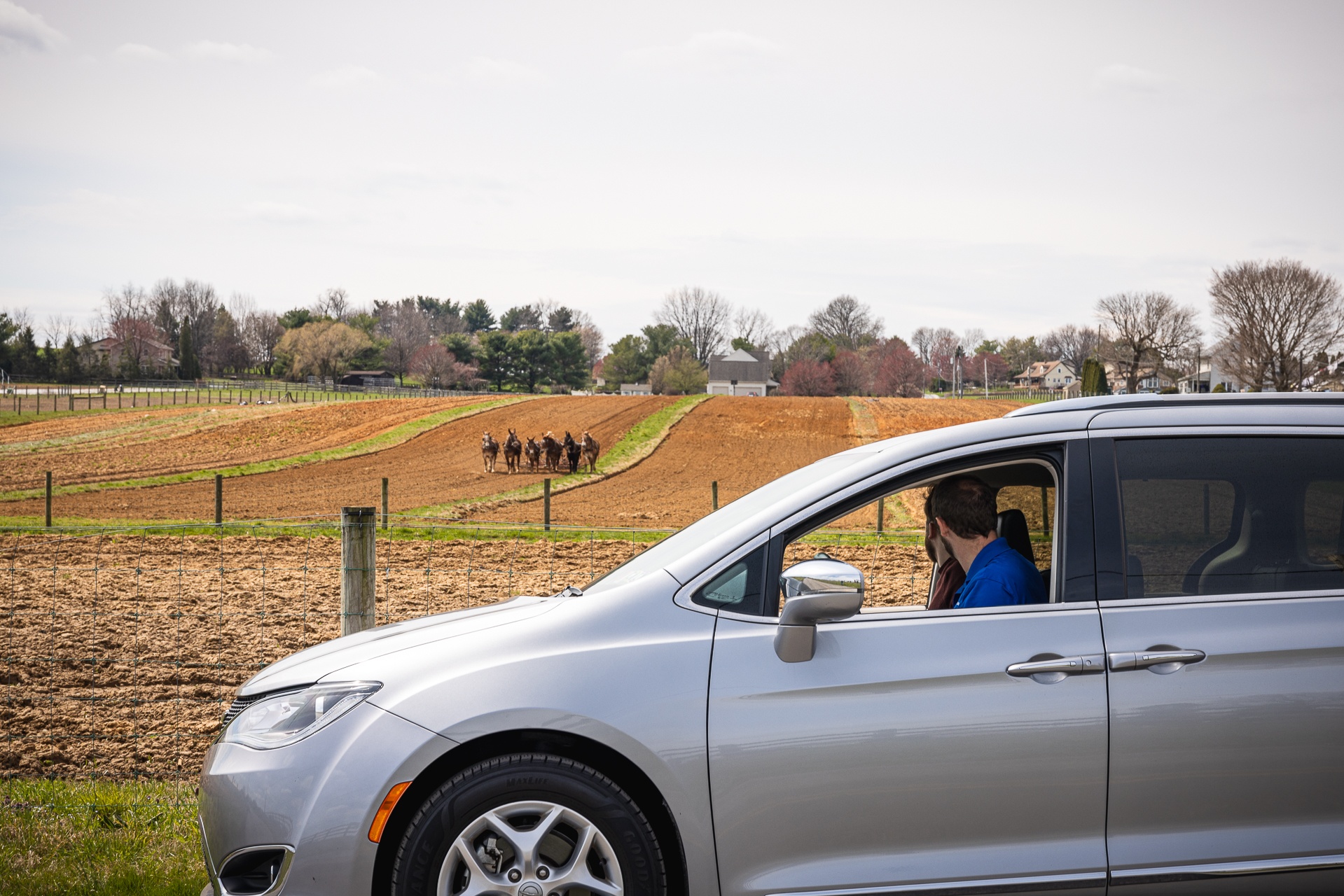
Top Sightseeing Tours in Blue Bell, Pennsylvania

Blue Bell, Pennsylvania

Blue Bell's sightseeing tours distill suburban Philadelphia's quieter side: tree-lined backroads, colonial-era echoes, manicured estate gardens, and a surprising number of craft-food and brewery stops. Tours here lean experiential and curated — think guided village walks, historic-property drives, arboretum strolls, and combined food-and-history itineraries — all within short drives of the region's major cultural anchors.

44
Activities
Year-round (best Apr–Oct)
Best Months

Top Sightseeing Tour Trips in Blue Bell

44 trips • Book with confidence • Instant confirmation

Why Blue Bell Is a Distinctive Spot for Sightseeing Tours

Blue Bell occupies a comfortable place between Philadelphia's urban pulse and Montgomery County's pastoral edges, and its sightseeing tours reflect that two-part personality. Walkable village cores with century-old storefronts sit alongside winding country roads that reveal horse farms, private estates, and pockets of preserved woodlands. That contrast makes Blue Bell ideal for short, focused tours: a morning devoted to local history and architecture, an afternoon on a garden or arboretum walk, or a late-day tasting loop that pairs a craft brewery with a farm-to-table stop.

What sightseeing here lacks in skyline drama it makes up for in intimacy and variety. Tours can be as social and guided as a historian-led walk through a village square or as quietly self-directed as an audio-guided drive that stops at small roadside landmarks and scenic pullouts. The proximity to major sites — Valley Forge National Historical Park to the south and an array of river corridors and trails across Montgomery County — allows operators to blend in a regional perspective without long transfers. That makes half-day and full-day itineraries equally practical for travelers based in Philadelphia or nearby suburbs.

Seasonal cycles shape the feeling of a sightseeing tour. Spring brings flowering magnolias and the first flush of green to manicured gardens; summer stretches into long, light evenings that favor brewery patios and twilight village strolls; fall turns the map into a collage of color, ideal for guided drives or leaf-peeping walks; and winter's quieter streets create a more reflective, off-season pace for museum visits and indoor stops. For planners, Blue Bell's relaxed geography means you can mix modes — on-foot village segments, short drives between stops, and even bike or e-bike legs on rails-to-trails corridors — so tours can be tailored to mobility, weather, and the traveler's appetite for depth versus variety.

Ultimately, sightseeing tours in Blue Bell reward curiosity. They are best appreciated at a measured pace: linger at a historic house museum or farmstand, follow a local's anecdote about a forgotten lane, and let the subtle transitions from suburban center to agricultural fringe tell the region's story in layered moments.

Tours are typically short-radius and theme-driven: architectural walks, garden tours, food-and-drink loops, and heritage drives that use small roads to stitch together landmarks.

Because many attractions are privately operated or seasonally open, it's common for guided operators to bundle reservations or reserve spaces in advance, especially for weekend or group departures.

Activity focus: Guided and self-guided sightseeing tours
Tours mix walking segments with short drives; many are half-day to full-day
Best for travelers who enjoy cultural history, gardens, food, and light outdoor movement
Proximity to Valley Forge and Montgomery County trails makes multi-site itineraries easy
Many operators offer small-group and private options

Best Time to Visit

Best Months

AprilMayJuneSeptemberOctober

Weather Notes

Spring and fall have the most comfortable temperatures and are best for garden- and drive-focused tours. Summers can be warm and humid; plan walking segments for morning or evening. Winters are quieter but may close seasonal attractions or reduce outdoor options.

Peak Season

Late spring through early fall, especially weekends and leaf season in October.

Off-Season Opportunities

Winter weekdays offer fewer crowds, easier booking for private tours, and available indoor cultural stops; some garden- and farm-based tours scale back their offerings.

Frequently Asked Questions

Are most tours guided or self-guided?

Both are available. Small-group guided tours are common for history and food themes; self-guided driving or walking routes with downloadable maps or apps are popular for flexible pacing.

Is parking a concern for tour participants?

Parking is generally available but can be limited at small village centers and popular attractions on summer weekends. Guided tours often handle logistics; self-guided visitors should plan for short walks from public lots.

Can sightseeing tours be combined with outdoor activities?

Yes. Many itineraries pair short walks with bike segments on nearby trails, light hikes at adjacent parks, or riverfront strolls. Check provider details for suggested combined activities.

Choose Your Experience Level

Beginner

Short, low-effort tours focused on village centers, estate gardens with paved paths, or relaxed driving loops with minimal walking.

  • Guided village walk
  • Estate-garden tour with short paths
  • Scenic drive with timed stops

Intermediate

Half-day itineraries that mix multiple walking segments, short trail stretches, and several stopovers requiring comfortable mobility.

  • Food-and-history loop with two walking stops
  • Bike-supported sightseeing on rails-to-trails sections
  • Combined museum and garden afternoon

Advanced

Full-day or multi-site itineraries with longer walking legs, frequent transitions between sites, or programs that require pre-booked specialty access.

  • Full-day regional drive with guided stops
  • Private-curated tour of multiple historic properties
  • Active sightseeing combining trail segments and village walks

Insider Tips & Local Knowledge

Check hours and reservation requirements for small museums, private gardens, and specialty food stops before you go.

Start tours earlier in the day to avoid summer heat and weekend crowds. If you’re self-guiding, park once and walk a concentrated route when possible — village centers are compact and pleasant to explore on foot. Bring small cash for market stalls and gratuities for local guides. For photography, light is best in the morning and late afternoon; for foliage or garden color, time your visit to peak bloom and check local bloom reports. If you want a deeper historical angle, book a guide who can connect local stories to the wider Revolutionary War and regional industrial narratives that shaped the landscape.

What to Bring

Essential

  • Comfortable walking shoes (pavement and uneven surfaces)
  • Water bottle and light snacks
  • Layered clothing for variable suburban and roadside conditions
  • Phone with GPS or offline map for self-guided routes
  • Sun protection (hat, sunglasses, sunscreen)

Recommended

  • Compact umbrella or lightweight rain jacket
  • Portable phone battery or charger
  • Reusable bag for market or farmstand purchases
  • Light daypack for personal items

Optional

  • Binoculars for birding or river views
  • Field notebook for architectural or garden notes
  • Neutral-colored day clothes for discreet photography at private sites

Ready for Your Sightseeing Tour Adventure?

Browse 44 verified trips in Blue Bell with instant booking

Explore Top 15 Blue Bell, Pennsylvania Adventures →