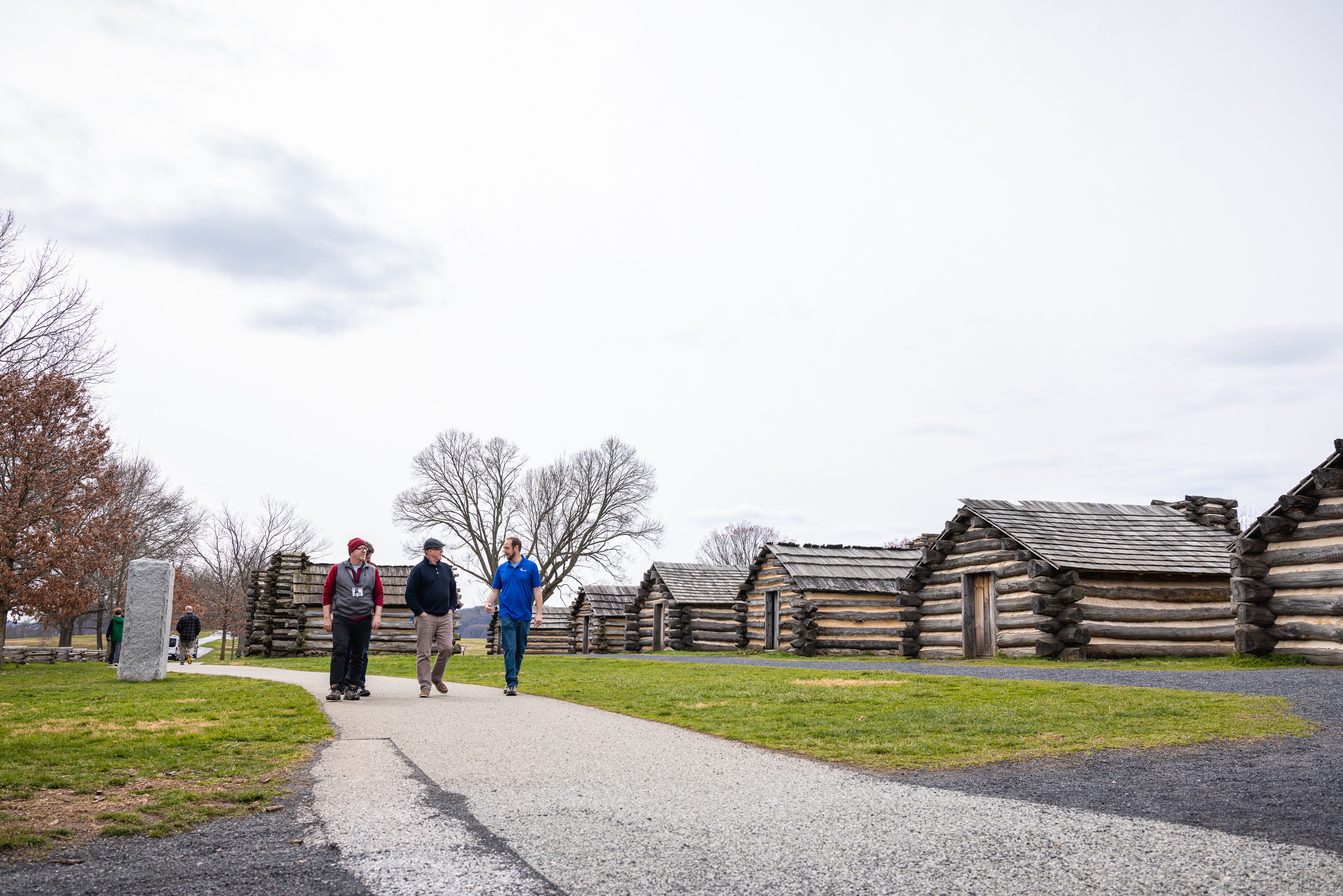
Blue Bell is a city-tour canvas that favors texture over spectacle. Unlike a high-traffic tourist hub, it rewards a slower pace: porch-lined streets, pocket parks where neighborhood life unfolds, and commercial corridors that combine familiar suburban comfort with singular local touches. On a city tour here you won’t be following a single famous monument; you’ll be tracing subtle layers of place—colonial-era land patterns that still shape curving roads, mid-century commercial strips that have quietly adapted to new tastes, and the agricultural hinterlands that edge the town and feed its small restaurants and markets.
That blend—residential calm, local food economy, and easy access to larger historic and natural sites—is what makes Blue Bell a satisfying subject for exploration. Walk a main street and you might find an unpretentious café with a chalkboard of seasonal produce, a family-run shop that’s been on the corner for generations, or a cluster of public works and small galleries that hint at a creative undercurrent. Move a little farther and the landscape opens into greenways and parkland: short walks and bike rides link the town to regional trail networks and to Valley Forge National Historical Park, which provides dramatic context for the area’s Revolutionary War-era significance.
A successful Blue Bell city tour is part history lesson, part neighborhood reconnaissance and part slow culinary reconnaissance. It’s the kind of outing that mixes a guided historical walk or self-guided audio route with casual stops at a farmers’ market, a craft brewery tasting room, or an open house at a community garden. The best itineraries are modular—designed to be layered across half- or full-day options so you can stitch together a morning walk, an afternoon cycle to a nearby park, and an evening meal anchored by regional ingredients. For travelers whose idea of urbanism includes human-scale blocks, easy parking, and walkable civic centers, Blue Bell feels accessible and civilized: small enough to learn in a day, rich enough to keep drawing you back for new neighborhoods, seasonal festivals, and the quiet pleasures of suburban public spaces.
Logistics favor flexibility. Blue Bell’s tours are most enjoyable when planned around weather and local hours—farmers’ markets and weekend food events set the rhythm—so come prepared to pivot between indoor and outdoor options. Bring good shoes, a weather layer, and a curious appetite: this is a place where the small details—an old stone wall, a restored storefront, a backyard apple stand—reveal the area’s character more than a single headline attraction ever could.
The charm is incremental: city tours here are best when built from short blocks, culinary stops, and neighborhood parks rather than a single marquee site.
Blue Bell sits near larger regional draws—Valley Forge and suburban trail networks—so interpretive walking tours can easily include a nature or history component.
The harbor is the gateway, and the Pacific becomes the classroom.
Seasonality matters: spring and fall bring the most comfortable walking weather, while summer evenings are ideal for outdoor dining and brewery patios.
Choose by purpose
Whale watching, snorkeling, sunset sailing, cultural canoeing, harbor sightseeing, or private chartering.
Start near the city
Waikiki and Honolulu Harbor are primary hubs, with some trips launching near Hanauma Bay.
Confirm the vessel
Gangways, shaded seating, and boarding requirements vary according to vessel size and operator.