4

Top 5 Air Activities in Bloomsbury, New Jersey

Bloomsbury, New Jersey

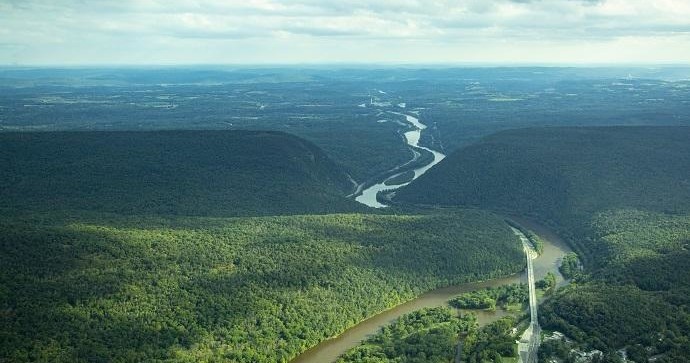
Bloomsbury's low-slung farmland, river flats, and patchwork fields make it a quiet but unexpectedly cinematic place to experience the sky. Air activities here lean into slow, scenic perspectives: hot-air balloon launches at sunrise, short scenic flights in light aircraft, introductory glider and ultralight experiences from nearby aerodromes, and occasional helicopter charters for tailored aerial photography. The terrain is forgiving for takeoffs and landings, while the river corridor and rolling agricultural landscape create memorable light and seasonal contrast for any airborne journey.

5
Activities
Spring–Fall (mornings best)
Best Months

Top Air Activities Trips in Bloomsbury

5 trips • Book with confidence • Instant confirmation

Why Bloomsbury Is a Standout Air Activities Destination

There’s a distinct hush to Bloomsbury before dawn—an easy silence that seems designed for balloon envelopes to unfurl and propellers to chirrup. Here, the sky reads like a long film strip: the Delaware River stitching a reflective seam between woodlots, the Musconetcong cutting sinuous shapes into the farmland, and late-season cornfields and hedgerows picking up the light in ribbons. That landscape rewards slow aerial travel. Hot-air balloon burners puncture the calm and then fall away, letting you drift over painted fields and small-town rooftops. Small fixed-wing flights and glider rides offer a more amplified vantage—engine hums or the wind under the wings revealing geometry in the countryside that’s impossible to parse from a car.

The practical appeal is straightforward: Bloomsbury’s open parcels, low population density, and river corridor create manageable conditions for launches and landings when weather cooperates. Operators who serve the area typically schedule flights at the edges of thermal activity—early morning or late afternoon—when air is stable and photographs are at their best. That seasonality is part of the charm: spring and early summer bring a green mosaic and newborn livestock, while fall converts the valley into a slow-motion display of ochres and reds. Winter flights are possible but less frequent; cold, clear mornings produce sharp views but require advance planning and colder-weather gear.

Beyond the view, these air experiences knit into broader rural pursuits. A morning balloon landing often ends at a family farm or field—an invitation to a farmstand breakfast or cider tasting. Scenic flights pair well with river paddling: arrive by water, depart by air, and understand the landscape from three different speeds. For photographers and filmmakers, Bloomsbury’s small-scale infrastructure—local roads, hedgerows, and the river—creates repeatedly photogenic lines and textures. For newcomers, the experience is as much about the ritual as the ride: early meets with the pilot, the slow inflation, the quiet ascent and the eventual, sometimes celebratory, landing ritual. For seasoned flyers, the region’s uncomplicated airspace offers an easy training ground for introductory glider hours or aerial photography sorties.

Safety and stewardship are integral to the local flying culture. Pilots respect private property and coordinate landings with landowners; awareness of migratory bird corridors and wetland areas shapes flight lines. Weather is the final arbiter—calm, cool mornings are the only practical window for many of these activities. For travelers, that means flexibility: book with operators who communicate clearly about weather, arrive ready for early starts, and plan complementary activities for afternoons. In short, Bloomsbury’s air activities are intimate, photographically rich, and best experienced with a slow, patient rhythm that the town’s landscape kindly rewards.

Air activity in the Bloomsbury area centers on scenic, low-altitude experiences rather than high-adrenaline aerial sports. The landscape favors ballooning, short scenic flights, and light-sport aircraft.

Seasonal variation dramatically alters the aesthetic: spring fields and river reflections, summer green expanses, and autumn color all make flights feel like distinct chapters of the same story.

Because flights depend on stable conditions, operators typically follow strict morning schedules; flexibility and backup plans (land-based activities) make for a smoother trip.

Activity focus: Hot-air ballooning, scenic light-aircraft flights, glider/ultralight introductions
Most flights launch at first light or late afternoon to avoid thermals
River corridors provide natural navigation lines and dramatic reflections
Landings typically occur in farmland or designated fields—expect light walk to pickup points
Booking in advance is recommended for weekend and seasonal windows

Best Time to Visit

Best Months

AprilMayJuneSeptemberOctober

Weather Notes

Calm, cool mornings are ideal—stable boundary layers and minimal thermals make for the smoothest flights. Midday thermal activity in summer reduces flight windows; fog on river mornings can delay launches. Wind direction and speed are the main limiting factors, and operators will cancel or reschedule for safety.

Peak Season

Late spring and early fall offer the best combination of weather stability and scenic color—these are the busiest windows for bookings.

Off-Season Opportunities

Early winter can produce clear, crisp mornings with long visibility for experienced operators; expect fewer scheduled flights and the need to bundle up.

Frequently Asked Questions

Do I need permits to fly?

Passenger flights do not require separate permits for flyers, but operators are regulated and must hold appropriate FAA certifications. Landings on private property are coordinated by pilots with landowner permission.

Are air activities safe for children?

Many operators carry children, though age and weight restrictions vary. Check with the provider about minimum age, safety briefings, and seat rules before booking.

What happens if my flight is canceled for weather?

Because weather is decisive, reputable operators offer rescheduling options or refunds. Build flexibility into your travel schedule—many flights are moved to the next available calm morning.

Can I bring a drone to capture launch/landing?

Drone use near manned aircraft operations is tightly regulated and can be hazardous. Consult local regulations and coordinate with your flight operator—do not fly drones near active launches or landings.

Choose Your Experience Level

Beginner

Ideal for first-timers: tethered balloon demos, short scenic light-aircraft flights, and passenger glider rides where available. Minimal training required; focus is on panoramic views and a gentle introduction to being aloft.

  • Sunrise hot-air balloon flight over river flats
  • 15–30 minute scenic plane ride
  • Introductory tethered balloon demo at a local event

Intermediate

For those who want more control or duration: full balloon sorties, longer scenic flights with aerial photography emphasis, and introductory ultralight lessons. Expect longer airtime and more active participation in launch/landing procedures.

  • Full-circuit hot-air balloon flight with field landing
  • Aerial photography flight over the Delaware River corridor
  • Ultralight introductory dual flight

Advanced

Aimed at experienced pilots or specialized users: cross-country glider flights, pilot training hours in local airspace, or bespoke charter helicopter missions for surveying or professional shoots. Requires certifications and close coordination with local operators.

  • Glider cross-country sortie (by arrangement)
  • Private aerial photography charter
  • Pilot training flights using local fields and corridors

Insider Tips & Local Knowledge

Weather and local land access shape the experience—plan for early starts and be flexible.

Book morning flights and have an alternative afternoon plan; operators often switch schedules based on wind shifts. Dress warmly—temperatures at altitude in the pre-dawn hours can be much cooler than ground forecasts. Bring compact footwear for walking a short distance after landing; many launches and landings occur in fields. If photographing, arrive with charged batteries and secure straps—wind and sudden movements can catch gear off-guard. Respect landing sites and local landowners: pilots typically coordinate landings ahead of time, and passengers should follow guidance about where to step and what to touch. Combine your flight with river paddling or a local farm visit for a full-day rhythm that maximizes both sky and ground perspectives. Finally, if you’re after fall color, aim for mid-to-late October but expect higher demand and the need to reserve weeks in advance.

What to Bring

Essential

  • Layered clothing (mornings are cold even in summer)
  • Closed-toe shoes with traction (field landings can be uneven)
  • Camera with secure strap and extra batteries
  • Sunglasses and sun protection
  • Light daypack with water and a snack

Recommended

  • Binoculars for bird and river-traffic spotting
  • Compact windbreaker for open-cockpit flights
  • Small towel or blanket for post-flight field sit-downs
  • Motion-sickness medication if you’re prone

Optional

  • GoPro or action camera with chest/head mount
  • Light gloves for cold mornings
  • Notebook for jotting angles and coordinates if scouting photography sites

Ready for Your Air Activities Adventure?

Browse 5 verified trips in Bloomsbury with instant booking

Explore Top 15 Bloomsbury, New Jersey Adventures →