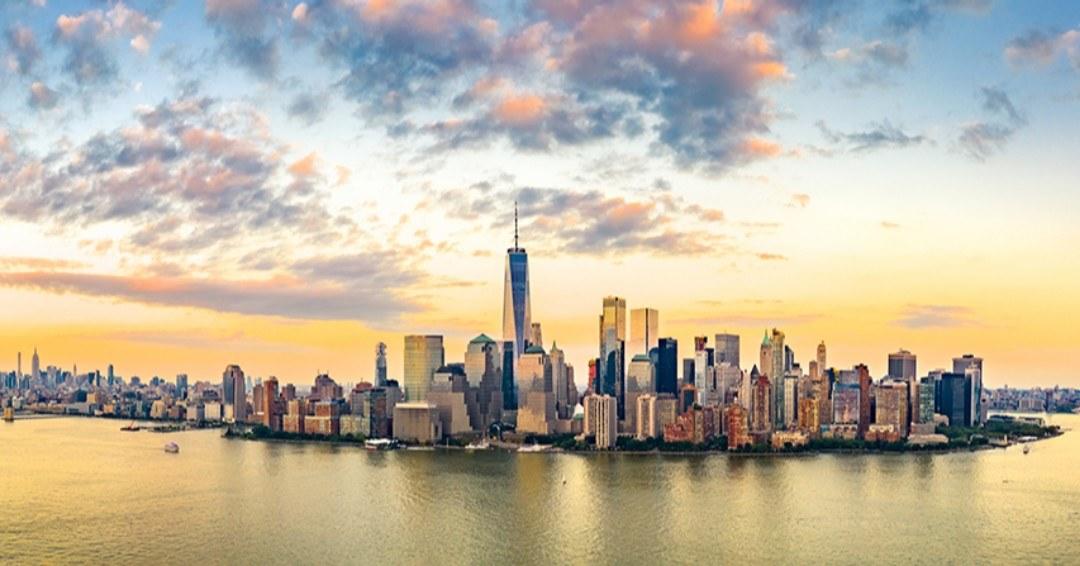
Air Activities in Bloomingdale, New Jersey
Bloomingdale sits at the edge of the Highlands where lakes, ridgelines, and open fields create an unexpectedly generous sky for airborne pursuits. From dawn balloon envelopes rising over the reservoir to small-plane scenic flights that trace the folded ridges, this guide focuses on air activities — the vantage points, logistics, and seasonal rhythms that make flying here distinct.
Top Air Activities Trips in Bloomingdale
50 trips • Book with confidence • Instant confirmation
Why Bloomingdale Belongs on the Map for Air Activities
The first thing you notice from a basket or cockpit above Bloomingdale is how the land folds into itself — ribbons of reservoir water, wooded hollows cupped by low ridges, and scattered agricultural clearings that become launch-friendly in early morning light. For a town better known for its quiet residential streets, Bloomingdale offers an outsized relationship with the sky: a practical nexus where weather windows, accessible open space, and close-by highlands converge to create reliable conditions for a surprising variety of air experiences.
Hot-air operations here are shaped less by spectacle than by rhythm. Pilots chase calm dawn hours, waiting for the hush that allows a controlled lift above tree-lines and water. The result is a soft, cinematic ascent — mist rising from Wanaque Reservoir, the first sun cutting across oak ridges and farmland, and towns spilling slowly into view. For paragliders and paramotor pilots, the shorter ridgelines and thermal breaks along the Highlands provide manageable lift and uncomplicated landing options; the terrain rewards pilots who appreciate technical finesse over theatrical drops. Small fixed-wing scenic flights and aerial photography charters use regional general-aviation fields within a short drive, delivering low-and-slow panoramas that highlight the patchwork of protected land, reservoirs, and fall color corridors.
The local character matters: agricultural fields and state-managed open space make discreet launch and landing options possible without long ferry flights. Bloomingdale’s proximity to larger metropolitan centers means pilots and operators can stage flights that feel rural yet remain logistically accessible to city visitors looking for a quick escape. Complementary pursuits — hiking the Ramapo trails to scope landing zones, launching kayaks for a post-flight paddling perspective, or timing visits for fall foliage — amplify the aerial experience, letting travelers pair a calm morning above the valley with an active afternoon on the ground.
Planning here demands a respect for microclimate. Wind shifts, reservoir-induced fog, and afternoon thermals create a narrow window for many operations; operators and pilots plan tightly around those windows, favoring mornings and early evenings outside of turbulent summer afternoons. If you’re new to airborne sports, Bloomingdale is forgiving: the terrain is approachable, recovery fields are plentiful, and operators emphasize briefings and safety. For experienced pilots, the area's modest ridgelines offer technical practice without committing to long cross-country flights. The takeaway for travelers is simple: Bloomingdale doesn’t promise theatrical altitude, but it does deliver intimate, navigable skies where the landscape translates beautifully into flight — quiet, considered, and deeply connected to the seasons.
The variety is the draw: tethered balloon demos, dawn hot-air flights, tandem paragliding or paramotoring opportunities in nearby open terrain, and short scenic airplane hops from regional general aviation strips. Each format emphasizes different flavors of perspective — slow, silent observation from a balloon; nimble ridge work with a paraglider; and broad, photographic panoramas from a small aircraft.
Seasons shape the experience in clear ways. Spring and fall bring long windows of stable morning air and dramatic foliage contrasts; summer offers early-morning flights but a narrower weather window because of daytime thermals; winter flights are possible but depend on clear, windless days and greater attention to cold-weather procedures.
Best Time to Visit
Best Months
Weather Notes
Morning calm and low wind are essential for safe, scenic flights. Spring and fall offer the most stable windows and the best visual contrast; summer flights are common at dawn before thermals develop. Winter flights are weather-dependent and require clear, cold, and windless days.
Peak Season
Late spring and fall foliage weekends see the most demand for scenic flights and ballooning.
Off-Season Opportunities
Late-winter and early-spring can offer clear visibility and fewer crowds, but expect limited availability and a higher likelihood of canceled flights due to wind or fog.
Frequently Asked Questions
Do I need prior experience to take a flight?
Most tandem air activities are beginner-friendly; operators provide safety briefings and guide the experience. For solo paragliding or paramotoring you’ll need formal training and certification from recognized schools.
How far in advance should I book?
Weekends in peak seasons can book out quickly; aim to reserve at least 2–4 weeks ahead for popular morning flights. Flexible weekday booking improves odds of getting preferred time slots.
What happens if a flight is canceled for weather?
Operators typically reschedule when possible or offer refunds. Weather-related cancellations are common; build buffer time into your trip for alternative days.
Choose Your Experience Level
Beginner
Introductory tethered balloon demos, tandem hot-air balloon flights, and scenic airplane hops designed for first-time flyers.
- Tandem hot-air balloon sunrise flight
- Short scenic fixed-wing flight over the Highlands
- Guided tethered balloon demo at local event
Intermediate
Tandem paragliding excursions, paramotor discovery flights with brief handling time, and photography-focused aerial charters.
- Tandem paraglider launch from a managed ridge
- Paramotor introductory discovery flight
- Aerial photography flight over Wanaque Reservoir
Advanced
Self-launched paragliding cross-country practice, private balloon piloting experiences for certified pilots, and customized aerial survey flights requiring pilot certification.
- Cross-country paragliding launches (pilot-rated only)
- Private balloon flight operations (licensed pilots)
- Specialized aerial mapping or survey flight charters
Insider Tips & Local Knowledge
Confirm operator credentials, current launch zones, and weather advisories before booking. Expect narrow morning windows and flexible rescheduling when conditions change.
Arrive at launch sites well before sunrise during peak season — pilots and crews move quickly during the pre-dawn setup. If you’re photographing, pack minimal gear with good stabilization and a secure strap; wide-angle lenses capture landscapes best from low-altitude flights. Combine your flight with a nearby hike or paddle for a fuller day: many flights end near trailheads or reservoirs where you can continue exploring. For pilots and students, scout landing zones on foot beforehand and review local airspace notes; municipal airports and restricted areas are nearby, so coordinate plans with flight operators to avoid conflicts. Finally, be prepared for quick temperature drops in the air; a thin down layer or windproof shell makes early morning flights comfortable without bulk.
What to Bring
Essential
- Layered clothing and windproof outer layer
- Closed-toe shoes with ankle support
- Sunglasses and sun protection
- Small camera with a secure strap
- Photo ID and any operator paperwork
Recommended
- Light gloves for cooler dawn flights
- Ear protection for helicopter or airplane flights
- Motion-sickness medication if prone to airsickness
- A compact daypack for post-flight hikes
Optional
- Binoculars for bird and shoreline viewing
- Waterproof phone case for lake-adjacent activities
- Notebook for jotting location notes or photography settings
Ready for Your Air Activities Adventure?
Browse 50 verified trips in Bloomingdale with instant booking
Explore Top 15 Bloomingdale, New Jersey Adventures →