Top 14 Sailing Adventures in Blanding, Florida
Sailing around Blanding is a lesson in contrasts: glassy morning bays that turn into wind-swept channels by afternoon, mangrove-framed creeks that lead to wide open coastal water, and long, low horizons that flare at sunset. This guide focuses on the best day sails, overnight anchoring routes, and sheltered inshore runs for sailors of all levels, with practical notes on tides, shallow water navigation, and seasonal conditions.
Top Sailing Trips in Blanding
14 trips • Book with confidence • Instant confirmation
Why Blanding Is a Standout Sailing Destination
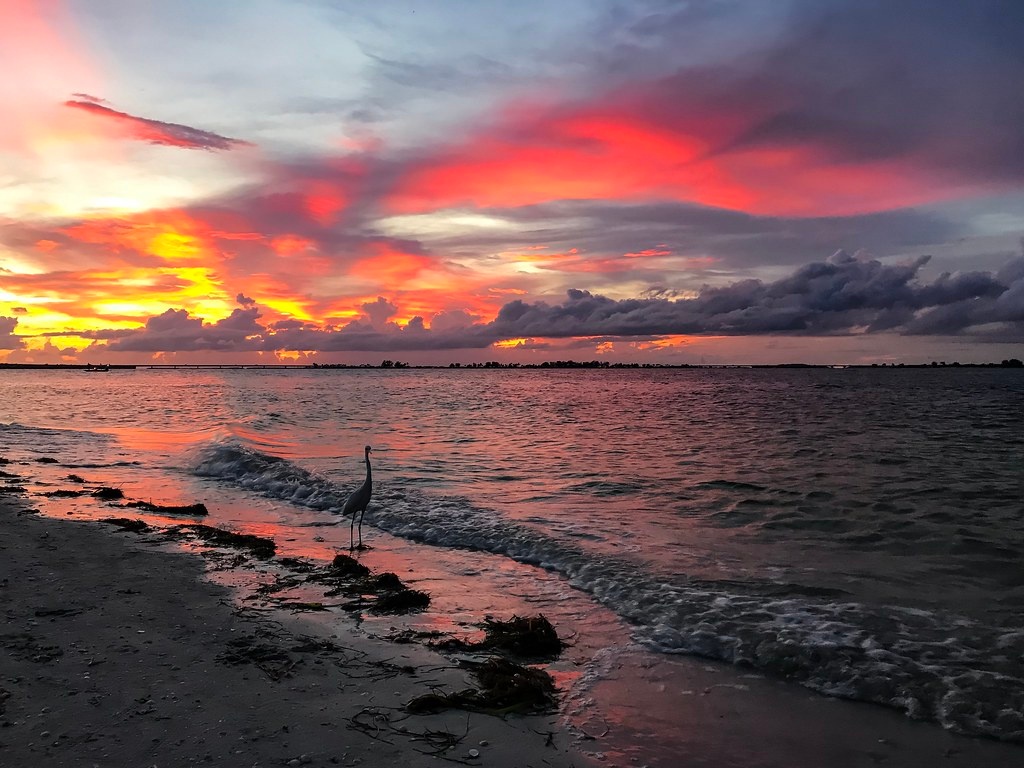
There’s an uncomplicated poetry to sailing from Blanding’s shorelines: you step out of town into a world shaped by tides, wind, and an intricate coastline of marsh, creek, and low islands. For sailors, that complexity is an advantage. You can flip between tranquil flats that demand careful eye and shallow-draft boats to thoughtful channel work where tidal current and local knowledge reward planning. Mornings often begin almost motionless—perfect for learning sail trim or easing a crew into the rhythm of the boat—and afternoons can produce a reliable sea breeze that turns a slow day into an energetic reach. That variability makes Blanding ideal for progressive outings: sheltered practice sails as a warmup, then a longer coastal run once confidence and conditions climb. The ecological backdrop is part of the draw. Mangrove tunnels, seagrass beds, and salt marshes are living markers of navigation—change with the tide and watch for dark shadows beneath the surface that signal shallow flats. Bird life is prolific; herons and terns are constant companions, and pod sightings—dolphins riding your bow wave—are frequent enough to become part of the ritual.
A visit here can be carefully tailored. Families and new sailors will favor protected bays and day-sail itineraries that hug the shoreline and return before afternoon thunderstorms, while more experienced crews can plan overnight anchorages off low-lying islands or push toward barrier islands for openwater legs. Local charters often field catamarans and center-console support boats for mixed-skill groups, and small-boat ramps and shallow harbors make trailerable sailboats and day-sailers especially practical. Seasonal planning matters: the most consistent sailing windows occur outside summer’s humid thunderstorms and the hurricane season; autumn and winter bring cleaner skies and steady northerly to northeasterly systems that produce reliable fetch along the coast. Yet the very same seasons attract visitors, so anchorage choices require some foresight.
Practically, Blanding rewards the sailor who respects tides, charts, and shallow-water etiquette. Approach mangrove creeks with a tide plan, use local charts to identify oyster bars, and keep noise and wake to a minimum around wildlife habitat. Complementary activities naturally fold into a sailing itinerary—shore hikes on low islands, kayaking through estuarine channels, fly-fishing in the flats, and photographing sunsets from deck are all easy additions. Above all, Blanding presents sailing as a layered experience: part quiet naturalism, part seamanship exercise, and part open-water joy. That combination—accessible waters that still require thought—makes it a compelling stop for anyone who sails with curiosity and respect.
Variety is the virtue: sheltered tidal creeks, broad estuarine bays, and low barrier islands let sailors choose the exposure they want—calm training sails in the morning and more demanding coastal legs in the afternoon.
Wildlife and habitat are front-and-center. Mangroves, seagrass, and marsh are not just scenery; they shape navigation, anchor choices, and onshore exploration opportunities.
Seasonality defines the rhythm. Fall through spring delivers the most comfortable and reliable sailing conditions; summer offers warm water and quiet marinas but brings afternoon storms and increased heat.
Best Time to Visit
Best Months
Weather Notes
Cooler, drier months (fall–spring) tend to offer more consistent winds and fewer afternoon thunderstorms. Summer brings heat, humidity, and a higher likelihood of late-afternoon convection; hurricane season runs from June 1 to November 30 and should be monitored closely.
Peak Season
December through March—the busiest months for charters and protected anchorages.
Off-Season Opportunities
Summer offers lower rates and calmer early-morning conditions suitable for short practice sails, though afternoons can be unsettled and visibility reduced by humidity.
Frequently Asked Questions
Do I need permits to anchor or beach on nearby low islands?
Regulations vary by island and habitat; some low islands and shorelines are managed as protected habitat and restrict anchoring or beaching. Check local marine and conservation authority rules before planning overnight anchorages.
Is Blanding good for beginner sailors?
Yes—there are sheltered bays and protected estuarine routes ideal for beginners, especially when sailed with a knowledgeable skipper or instructor. Start with short day sails and calm tidal windows.
What are the main navigation hazards to watch for?
Shoal zones, oyster bars, and shifting tidal flats are the primary hazards. Use up-to-date charts, observe water color for depth changes, and plan passages around high/low tide conditions.
Choose Your Experience Level
Beginner
Protected bay and estuary day sails with minimal open-water exposure and short distances between landings.
- Sheltered morning training sail in a tidal creek
- Family-friendly half-day bay cruise with short shoreline stops
- Introductory sailing lessons on calm waters
Intermediate
Longer day sails that include channel navigation, tidal planning, and occasional open-water legs; suitable for crews familiar with basic seamanship.
- Coastal day sail to a low island anchorage
- Estuary-to-barrier crossing with planned tidal windows
- Mixed sail and paddle itinerary exploring mangrove arms
Advanced
Overnight passages, offshore runs to barrier islands, and navigation in changing weather and tidal conditions; demands solid chart work, anchoring skills, and emergency preparedness.
- Overnight anchoring off a remote barrier island
- Extended coastal passage requiring current and weather planning
- Navigating narrow tidal channels and tricky shoal approaches
Insider Tips & Local Knowledge
Respect tides, habitat, and local regulations; a little planning keeps both your trip and the coastline healthy.
Time your approaches to mangrove creeks and shallow anchorages with the tide—low tide can expose oyster bars and make formerly navigable channels impassable. Watch the water color: pale green and turquoise often signal shallow sand and seagrass; deeper blue marks safe channel. Start sails early to avoid summer afternoon storms and maximize calm conditions for learning. Carry a physical chart and corroborate electronic navigation with depth soundings; many shoals shift after storms. When anchoring near sensitive habitats, use established moorings if available or choose sandy bottoms and set conservative scope to minimize dragging. Complement your sailing days with short shoreline hikes, paddleboard explorations, or a beachcombing walk at low tide to experience what’s hidden when the water covers the flats.
What to Bring
Essential
- Life jackets for every passenger (wearable and sized appropriately)
- Sunscreen, sun-protective clothing, and a hat
- Chartplotter or up-to-date nautical charts and a tide table
- VHF radio and a charged mobile phone in a waterproof case
- Water, snacks, and basic first-aid kit
Recommended
- Foul-weather jacket and a light insulating layer for early mornings
- Anchor with adequate scope and a backup heaving line
- Shallow-water anchor or grapnel for protecting fragile habitats
- Sunglasses with polarized lenses
- Dry bags for electronics and spare clothing
Optional
- Snorkel gear for quick shore excursions in clear channels
- Binoculars for bird and marine mammal spotting
- Portable depth sounder for shoal-prone approaches
- Small kayak or paddleboard for exploring mangrove creeks
Ready for Your Sailing Adventure?
Browse 14 verified trips in Blanding with instant booking
Explore Top 15 Blanding, Florida Adventures →