7

Top 8 Photography Tours in Belmont, Massachusetts

Belmont, Massachusetts

Belmont condenses classic New England textures into a compact, accessible palette—meandering brooks and wetlands, tidy town greens, and streets lined with century-old homes provide a surprising variety of photographic subjects within a five- to ten-minute drive of Cambridge. This guide focuses on photography tours: curated walks and workshop-style outings that help you find the light, frame local stories, and combine nature, architecture, and urban-edge views for a full-day of image-making.

8
Activities
Spring–Fall prime; year-round options
Best Months

Top Photography Tour Trips in Belmont

8 trips • Book with confidence • Instant confirmation

Why Belmont Is a Standout Place for Photography Tours

Belmont sits at a camera-ready intersection of suburban calm and metropolitan proximity. A short ride from Cambridge and Boston, its modest streets and stitched-together green spaces deliver fast access to the kinds of subjects photographers chase: reflective ponds and seasonal wetlands, curved stone walls and laddered porches, church steeples punctuating low-slung New England skies, and, when the light cooperates, pocket views of the distant Boston skyline. For photographers, that mix translates into a versatile tour canvas—micro-landscapes in the marsh, intimate portraits of architecture, and the chance to practice techniques like long exposure, macro, and golden-hour street photography without spending a day in transit.

What makes Belmont particularly useful for guided photography outings is its scale and variety. A morning can begin in Beaver Brook Reservation—woodland trails, slow-flowing streams, and small cascades that respond well to neutral-density filters and patient compositions—then shift to Rock Meadow for open grasses, wetland edge influences, and birdlife that rewards telephoto work. By midday a stroll through Belmont Center or Belmont Hill offers a change of pace: patterned windows, stoops and porches, and civic architecture that teaches framing and detail-focused composition. The compact geography allows guides to pull in very different lighting and subject types over short distances, which is ideal for workshops where participants want to test a range of techniques in one outing.

Seasonality in Belmont is a photographer's tuning knob: spring brings saturated greens and emergent waterfowl; late-summer mornings can be soft with low fog settling in the meadows; and autumn produces reliable color shifts across maples and oaks that make for dramatic foregrounds against colder, high-contrast skies. Winter, while quieter, offers crisp light, architectural silhouettes, and high-value lessons in exposure control and white balance—plus far fewer people on the trails. Importantly, the town's public reservations and meadows are accessible, family-friendly, and often feature short, well-marked paths, making the tours approachable for smartphone photographers and pros alike.

Complementary activities amplify the photography experience: guided birdwatching walks to learn species behavior, early-morning coffee runs and pastry breaks in Belmont Center for candid street shots, and short bicycle rides that expand the tour radius. For travelers coming from Boston or Cambridge, Belmont functions as a hands-on classroom where technical practice meets the kind of slow, observational travel that produces memorable images and a stronger sense of place. Environmental stewardship is also central—photography tours here emphasize 'leave no trace' approaches at wetland edges and quiet behavior around nesting birds so that the landscapes we photograph remain healthy and resilient for seasons to come.

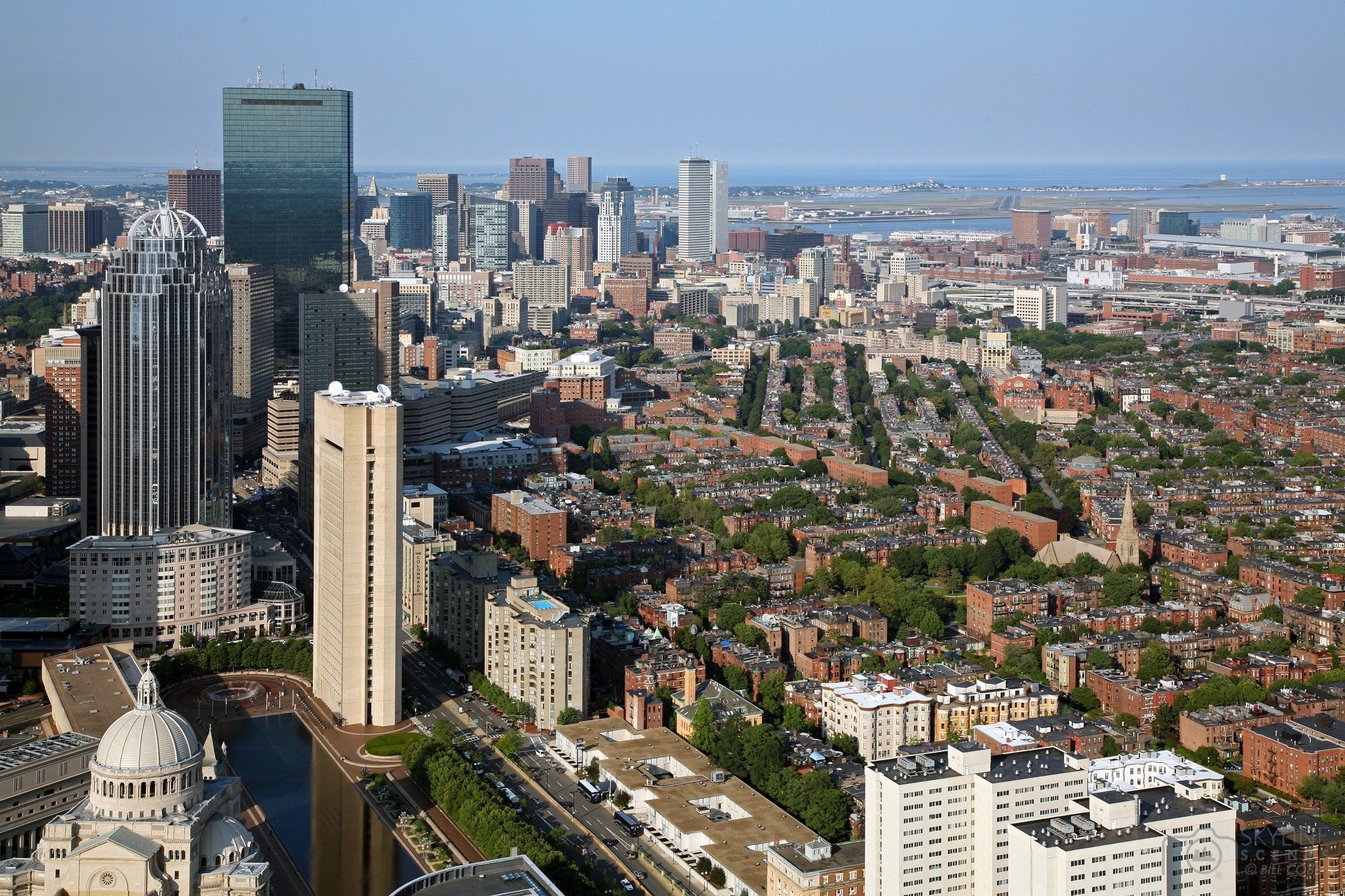
The town's accessibility from the Red Line and nearby commuter routes makes it an ideal half-day or full-day outing. That closeness to urban centers also creates opportunities for layered images—where a pastoral foreground meets a distant skyline—that are particularly striking at sunrise or sunset.

Belmont's mix of public green spaces, residential streets, and small-town civic buildings means workshops can be customized: an ecology-focused morning at Beaver Brook, an architectural-afternoon in Belmont Center, or a dedicated golden-hour session that chases light across meadows and rooftops.

Activity focus: Guided and self-guided photography tours
Compact geography—short drives or walks between varied subjects
Strong spring and fall seasons for natural color and bird activity
Accessible paths and creekside spots suitable for beginners
Night and skyline photography possible from select high points

Best Time to Visit

Best Months

AprilMayJuneSeptemberOctoberNovember

Weather Notes

New England seasons shape available light and subject matter. Spring offers fresh color and migrating birds; summer provides long days but can bring hazy mid-days; fall is peak for foliage and crisp directional light; winter delivers stark contrasts, snow scenes, and quieter trails. Afternoon showers are possible in warmer months—plan for flexible scheduling around sunrise and early-morning windows.

Peak Season

September–November (autumn foliage and clear light)

Off-Season Opportunities

Winter weekdays are quiet and ideal for architecture and snow-scapes, and early-spring thaw creates moody wetland textures—bring traction for icy patches if conditions require.

Frequently Asked Questions

Do I need permits to photograph in Belmont's parks and reservations?

Casual and personal photography in public reservations and town parks is typically allowed. However, commercial shoots, large tripod setups that block paths, or organized paid classes may require coordination with local authorities—check town or reservation rules before planning larger shoots.

Are guided photo tours available for all skill levels?

Yes. Many local guides and visiting workshop leaders tailor outings to beginners through advanced photographers. Tours can focus on composition basics, technical controls, wildlife/avian photography, or creative techniques like long exposure and night shooting.

What wildlife should I expect to find on a photography tour?

Expect small wetland and woodland species—songbirds, waterfowl, and seasonal migrants. Larger mammals are uncommon but possible along quieter edges. As always, keep respectful distance and avoid disturbing nesting or feeding animals.

Choose Your Experience Level

Beginner

Short, low-difficulty walks on flat paths focusing on composition, exposure basics, and smartphone techniques. Ideal for those learning to see light and frame scenes.

  • Morning golden-hour walk at Rock Meadow
  • Street and storefront composition session in Belmont Center
  • Intro to pond reflections and simple long-exposure practice

Intermediate

Moderate-length outings that blend wetland edge work, telephoto practice for birds, and architectural detail studies. Requires comfortable walking and basic tripod use.

  • Beaver Brook stream long-exposure workshop
  • Telephoto bird behavior session from observation points
  • Combined floral/macro and townscape afternoon tour

Advanced

Targeted shoots for advanced techniques: intentional long-exposures, HDR/bracketing in variable light, night and skyline photography, and disciplined field workflow. Participants should be confident with manual settings and hand-held support tools.

  • Pre-dawn skyline and silhouette session from Belmont Hill
  • Night photography workshop focusing on light painting and low-light noise control
  • High-frame telephoto sequence work for fast-moving birds

Insider Tips & Local Knowledge

Check local park hours and parking rules; respect habitat boundaries and private property.

Aim for first light—Belmont's compact streets and meadows often look best when the town is quiet and the low sun sculpts texture. Use a polarizer at ponds to manage reflections and deepen skies; bring an ND filter for silky stream shots. Parking can be limited near popular trailheads and Belmont Center—arrive early or plan to park on nearby side streets. Be mindful of wetland edges: avoid trampling vegetation, give birds plenty of space, and follow posted trail rules. For night and skyline photography, scout vantage points in daylight to identify safe parking and tripod-friendly surfaces. If you're joining a guided workshop, ask whether the leader provides loaner gear (tripods, filters) and whether the itinerary includes post-shoot review of images—feedback sessions are especially valuable for improving quickly.

What to Bring

Essential

  • Camera (DSLR, mirrorless, or smartphone) with charged batteries
  • Sturdy tripod for low-light and long-exposure work
  • A selection of lenses (wide, standard, telephoto) or a versatile zoom
  • Extra memory cards and backup battery
  • Waterproof or water-resistant footwear for wetland edges

Recommended

  • Neutral-density and polarizing filters for reflections and long exposures
  • Field guide or app for local birds and wetland species
  • Compact rain cover for camera and pack
  • Small hand towel or microfibre cloth for lenses
  • Lightweight backpack or camera sling for comfort on walks

Optional

  • Macro lens or extension tubes for close-up plant and insect work
  • Wireless remote or intervalometer for bracketing and time-lapse
  • Bean bag or low stool for creative low-angle shots
  • Notebook for jotting compositions, exposure settings, and locations

Ready for Your Photography Tour Adventure?

Browse 8 verified trips in Belmont with instant booking

Explore Top 15 Belmont, Massachusetts Adventures →