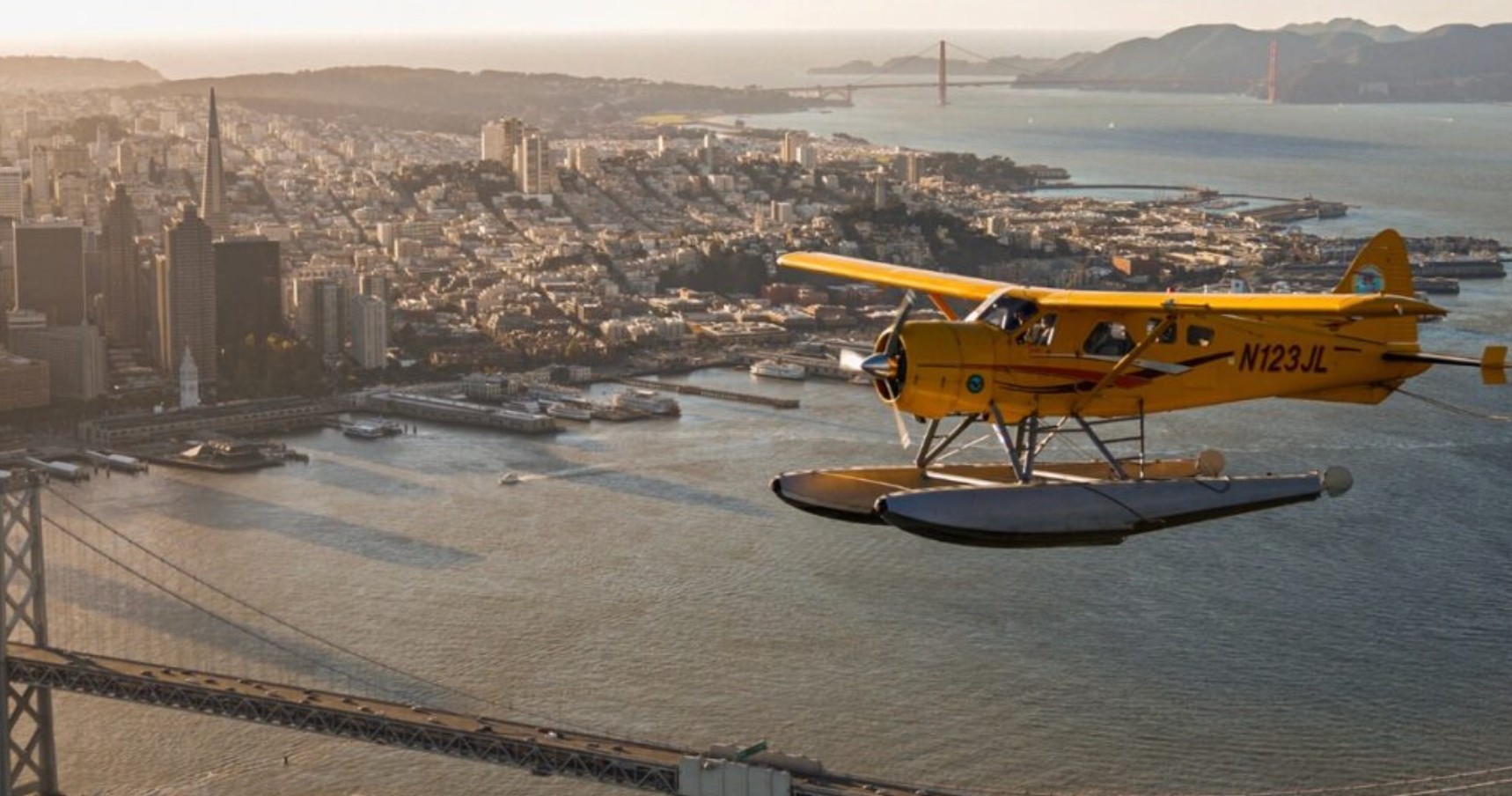
Top Airplane Adventures in Belmont, California
Belmont sits a few minutes from humming small airports and the sweep of the San Francisco Bay, making it a quiet but perfect jumping-off point for airplane-centered adventures. From low-and-slow scenic flights over the Peninsula’s jagged coastline and the city skyline to discovery flights that introduce aspiring pilots to the controls, the airplane experiences accessible from Belmont are as varied as the weather patterns that sculpt the Bay. Expect short drives to classic general aviation fields, seaplane departures from nearby bays and harbors, and flight schools that welcome beginners and aviators aiming to log complex time. This guide covers what an airplane-focused trip from Belmont feels like, when to plan it, what to pack, and how to compare the range of offerings so you can choose the right flight for your appetite—be it soft aerial sightseeing, high-adrenaline aerobatic rides, or quiet photography sorties above the ocean.
Top Airplane Trips in Belmont
18 trips • Book with confidence • Instant confirmation
Why Belmont Is a Distinctive Base for Airplane Adventures
Belmont’s quiet suburban streets and redwood-edged ridgelines belie a proximity to some of the Bay Area’s most evocative aerial terrain. Nestled between San Francisco and Silicon Valley, the town’s location offers a compact gateway to salt-scented coastline, the arch of the Golden Gate, and the geometric grid of the city—views that transform depending on altitude, light, and the mischievous marine layer. What makes Belmont compelling for airplane travelers is less about one iconic sight and more about accessibility: short transfers to general aviation fields, a cluster of flight operators offering distinct formats of experience, and a climate that produces dramatic but manageable flying conditions. Morning fog spills in off the Pacific and often dissolves into a crystalline late-afternoon clarity in what Bay Area pilots call the September-to-October “Indian summer.” For visitors this means the possibility of two very different flights in one day—an intimate, cloud-draped coastal pass and a late-day, long-shelf light approach to San Francisco’s skyline.
History threads through the region’s aviation story. From early mail and barnstorming days to World War II-era Navy blimps and the modern general aviation community, the Peninsula’s airfields have long been places of experimentation and small-scale commerce. Today the mix includes flight schools training the next generation of private pilots, vintage airplane restorers who offer nostalgia flights, and operators running specialized sorties—seaplane hops, aerial photography charters, and aerobatic experiences. Experiences out of Belmont are often mosaic in character: a short local orientation flight turns into a panoramic loop over the Mavericks surf breaks and coastal bluffs, or a training sortie becomes a deeper excursion that crosses the Bay for close-up views of Alcatraz and the Golden Gate. That variety is a practical advantage for travelers. You can book a 30-minute sightseeing hop to check the weather and your comfort in flight, then upgrade to a longer photography or aerobatic session if you loved the initial taste.
Practical conditions shape the choice of aircraft and itinerary. Coastal thermals, gusts funneled through the Golden Gate, and variable visibility due to marine layer all factor into how an operator plans a route and which aircraft they select. The Bay Area’s patchwork of controlled and uncontrolled airspace also shapes experiences: scenic flights commonly coordinate with local tower frequencies near busier fields or route creatively through quieter corridors to keep the experience smooth and legal. For independent pilots and licensed visitors who fly in themselves, Belmont’s nearby airports provide a convenient base: short ground runs, ample easy parking, and quick access to refueling and maintenance services. For non-pilots the emphasis is on preflight briefings, seatbelt‑tightening etiquette in small-cabin aircraft, and choosing operators that prioritize safety, clear cancellation policies, and weather-resilient scheduling. In short, Belmont is less about one dramatic, single-shot vista and more about the curated, flexible airplane experiences you can stitch together—coastal reconnaissance in the morning, urban skyline dialogue in the afternoon, and a quiet training hop at sunset.
Short transfer times to multiple general aviation fields make Belmont a strategic base for sampling different airplane experiences in one trip—scenic flights, seaplanes, aerobatic rides, and discovery flights can often be booked on consecutive days without long drives.
Local weather patterns create dynamic, memorable flights: marine layer morning climbs that reveal a coastline in relief, thermic bumps over inland hills, and crisp visibility in autumn that is ideal for aerial photography and skyline panoramas.
Best Time to Visit
Best Months
Weather Notes
Late summer and early fall (September–October) often bring the clearest flying weather with reduced marine layer. Spring and early summer can have morning fog that may delay or alter flight routes; afternoons typically clear. Coastal winds and gusts increase on windy days, affecting smaller aircraft more noticeably.
Peak Season
Autumn clarity (September–October) is the most sought-after window for aerial photography and skyline visibility.
Off-Season Opportunities
Winter and spring offer quieter booking windows; on overcast mornings operators may offer flexible rescheduling or shorter, lower-altitude flights depending on conditions.
Frequently Asked Questions
Do I need a pilot’s license to go on a sightseeing flight?
No. Most sightseeing and discovery flights are operated by certified pilots and are designed for passengers without any flying experience. Licensed pilots who wish to fly their own aircraft should coordinate with the destination airfield.
Are flights from Belmont-area airports affected by San Francisco’s controlled airspace?
Yes. Many scenic routes are planned to avoid restricted or busy controlled corridors, and operators coordinate with local ATC as needed. Flight paths may be adjusted day-of for traffic and airspace requirements.
What safety precautions should I expect before a flight?
You should expect a preflight briefing covering emergency procedures, seatbelt and door operation, headset use, and any weight-and-balance considerations. Operators will review baggage limits and motion-sickness guidance as well.
Choose Your Experience Level
Beginner
Short, guided sightseeing flights and introductory discovery flights that provide piloting demonstrations and tasteful narration. Ideal for first-time flyers and families.
- 30–45 minute coastal scenic hop
- Seaplane short loop from nearby harbor
- Discovery flight with dual control introduction
Intermediate
Longer photographic sorties, targeted aerial tours over the city skyline and coastline, and initial orientation sessions for aspiring pilots that include basic hands-on experience.
- Aerial photography charter over the Golden Gate and Alcatraz
- Extended peninsula coastline flight
- Introductory dual-control training session
Advanced
High-adrenaline experiences and serious pilot-focused activities such as aerobatic rides, cross-country flight instruction, and complex-rated training that require preparation and sometimes prerequisites.
- Aerobatic instructional ride in a two-seat biplane
- Cross-Bay navigation and controlled-airspace training
- Tailwheel or complex aircraft checkout flights
Insider Tips & Local Knowledge
Weather, airspace, and aircraft type determine most of the on-the-day experience—book with operators who have clear weather, cancellation, and rescheduling policies.
Plan for flexibility: the Bay’s marine layer can alter departure times and routes, so allow buffer time in your schedule. Early- or late-day flights often produce the best light for photography and calmer winds. Communicate your goals with the operator—if you want photos, ask which window seats or aircraft offer the best views and whether they can pause for a slower pass. For thrill-seekers, confirm G‑force exposure and medical disclaimers for aerobatic flights. If you’re flying out of a smaller field, arrive early to take in the groundside aviation culture—hangars, vintage aircraft, and pilot lounges often add a memorable texture to the trip. Finally, if planning to fly into the area in your own aircraft, verify fuel availability, transient parking rules, and any NOTAMs for nearby controlled zones before departure.
What to Bring
Essential
- Government-issued photo ID (required for many flight operations)
- Layered clothing—coastal flights can be chilly even on warm days
- Camera with strap or secure pocket for aerial photography
- Sunglasses and sun protection for daytime flights
- Motion-sickness remedies if you are prone to airsickness
Recommended
- Light headset or earplugs (operators may provide or recommend one)
- Compact binoculars for spotting coastal wildlife
- A small daypack that fits under the aircraft seat
- Phone charger and extra memory cards for photos
Optional
- Pilot logbook if you are a licensed pilot flying in
- A paperback or journal for notes during longer training flights
- A wide-angle lens for panoramic aerial shots
Ready for Your Airplane Adventure?
Browse 18 verified trips in Belmont with instant booking
Explore Top 15 Belmont, California Adventures →