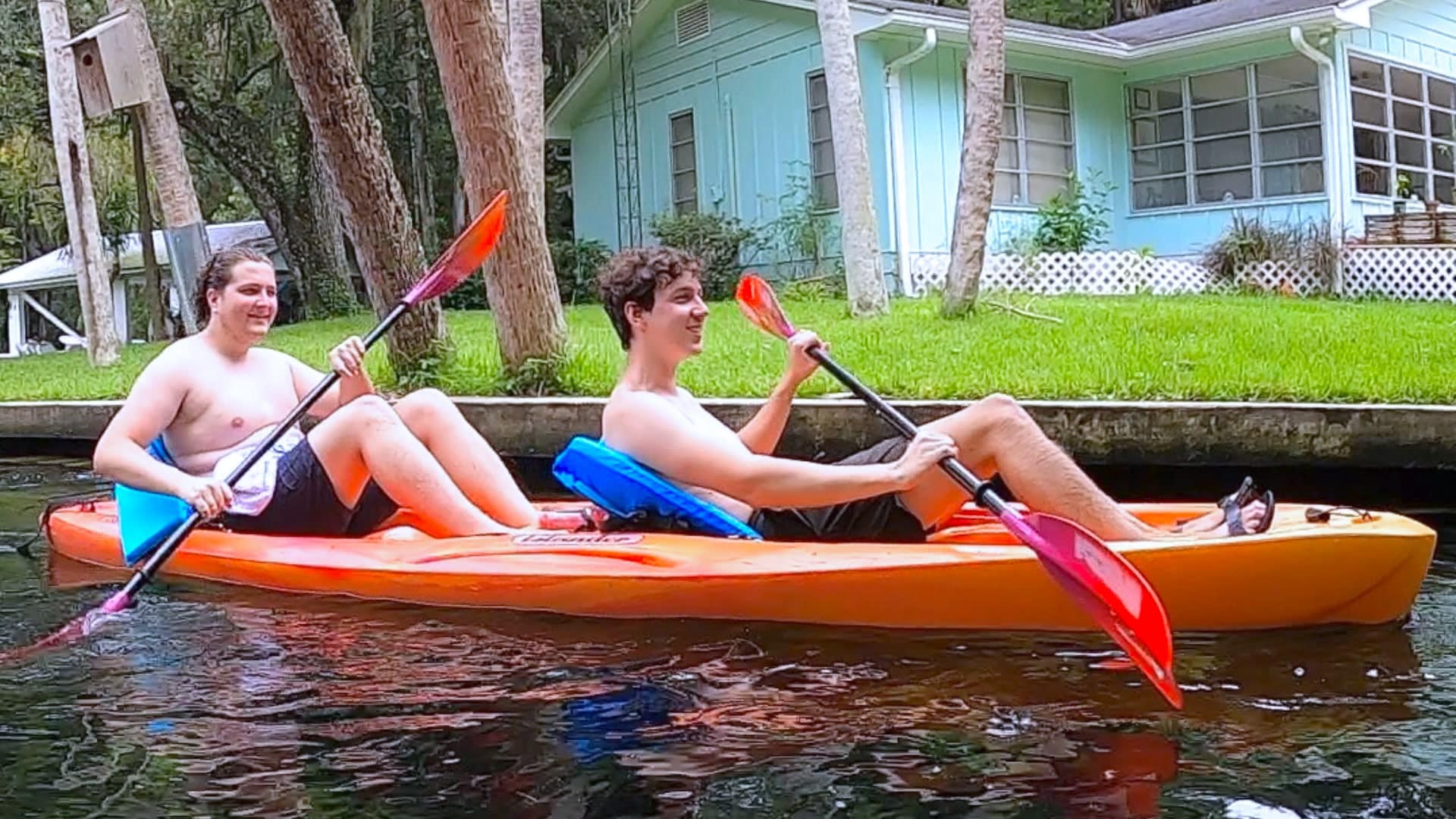
Top 8 Canoe Adventures in Belleview, Florida
Belleview sits at the soft edge of Florida's springs country, where shallow limestone gutters, tannic blackwater creeks and clear, chalky spring runs meet broad, slow lakes. Canoeing here is intimate—quiet launches into glassy water framed by bald cypress, ribboned with sawgrass and punctuated by spring boils and limestone ledges. The paddling is as varied as the surrounding landscape: easy float trips for families, technical creek navigation through braided channels, and longer exploratory runs that link springs, rivers and chain-of-lake corridors. Wildlife viewing is a primary reward—wading birds, river otters and turtles are commonplace; alligators sun on logs and orchids dot the swamp edges in season.
Top Canoe Trips in Belleview
8 trips • Book with confidence • Instant confirmation
Why Belleview Is a Standout Canoeing Destination
There’s a particular hush to paddling around Belleview that only springs and slow rivers can produce: a quiet so deep it makes you aware of every paddle stroke and every small ripple. This region sits within Florida’s karst landscape—limestone riddled with springs that feed clear runs into darker, tannin-stained rivers and broad, open lakes. Canoeing here feels like moving between two worlds. One is crystalline and bright, where you can see the pale sand and aquatic plants under your bow; the other is the softer, shadowed waterways of cypress and swamp where light filters through a high canopy and birds call in layered harmonies. Those transitions happen fast. A single afternoon can take you from a dazzling spring boil to a lily-strewn backwater alive with dragonflies.
Historically, these waterways were travel corridors for Indigenous peoples and later for early settlers, and remnants of that layered human history sit quietly along the banks: old homesteads, small boat launches, and communities that grew around the springs. Ecologically, Belleview occupies an important intersection. The springs act as perennial sources of clear, cool water that sustain downstream habitats even in dry months; the lakes and rivers form a mosaic of shallow flats, marsh edges and forested banks that support a dense mix of wildlife. For paddlers, that means reliable paddling opportunities with high chances of seeing kingfishers diving, herons stalking mudflats, and turtles basking in the sun. You’ll also want to keep a respectful distance from alligators and nesting birds—the abundance is part of the attraction, and responsible viewing keeps both you and the animals safe.
The paddling itself is accessible to many levels of skill. Most routes in and around Belleview are low-gradient and slow-moving, favoring relaxed exploration over technical whitewater. Yet the region’s variety allows for different experiences: succinct half-day floats ideal for families, single-day runs that thread springs and creeks, or multi-point itineraries that combine paddling with shoreline hikes, photography and snorkeling in select spring vents. Outfitters in the area provide rentals and shuttles for those who want to leave logistics to a local operator, while self-sufficient paddlers will find ample public put-ins and primitive shorelines for overnight trips. Seasonally, the character of the water shifts—spring clarity is best in the cooler months when flows are steady, while late summer can bring higher vegetation and afternoon storms. Planning for weather, water levels and simple wildlife etiquette will make the experience smoother and safer. In short, Belleview’s paddling is quiet, immediate and richly varied—the kind of place where a casual morning paddle becomes a full-sensory study of Florida’s inland waterscape.
The springs-fed systems around Belleview offer unusually clear paddling in places, with underwater visibility that rewards snorkelers and photographers as much as paddlers. Those clear pockets often sit upstream of darker, tannin-stained stretches, creating a striking contrast along a single float route.
Because the terrain is low and flat, tides don’t shape much of the experience here—the primary seasonal drivers are rainfall and groundwater levels. That makes Belleview reliably paddable most of the year, though summer thunderstorms and high plant growth can change dynamics quickly.
Best Time to Visit
Best Months
Weather Notes
Spring and late fall offer the most comfortable temperatures and clearer spring conditions. Summers are hot, humid and prone to daily thunderstorms—mornings are best for paddles then. Winters are mild and ideal for long, quiet floats, though early mornings can be cool.
Peak Season
Spring (March–April) when water visibility is high and holiday weekends draw visitors.
Off-Season Opportunities
Summer weekday mornings provide solitude and warm water for swimming, while winter weekdays are pleasantly quiet with cooler air temperatures and strong birding.
Frequently Asked Questions
Do I need permits to canoe here?
Most public put-ins do not require permits for day use. Some managed parks or state lands may have parking fees or launch fees—check the specific park or county website before you go.
Are rentals and shuttles available?
Yes. Local outfitters offer canoe and kayak rentals, guided floats and shuttle services for one-way trips. Booking ahead is recommended on weekends and during spring.
What wildlife precautions should I take?
Keep distance from wildlife—never feed animals. Give alligators a wide berth, avoid narrow canals at dusk, and keep dogs leashed. Store food securely if camping overnight.
Choose Your Experience Level
Beginner
Gentle, short floats on wide lakes or spring runs with minimal current—ideal for families and first-time paddlers.
- Half-day float on a clear spring run
- Lake Weir shoreline loop
- Short guided paddle with instruction
Intermediate
Longer single-day routes linking springs and creeks, requiring basic navigation, light current management and shuttle logistics.
- Multi-point paddle combining a spring and river section
- Ocklawaha River day trip with shallow-channel navigation
- Rainbow River upstream to a spring snorkel stop
Advanced
Extended backcountry paddles that involve route finding through braided channels, possible portages, and overnight primitive camping.
- Two-day exploratory canoe linking multiple springs and lakes
- Remote creek runs through cypress swamp with primitive campsites
- Self-supported photography expedition focused on dawn and dusk wildlife
Insider Tips & Local Knowledge
Confirm put-in access, water levels and park hours before you go. Local outfitters know the best routes by season.
Plan paddles for early morning when winds are calm, wildlife is most active and afternoon storms are less likely. If you’re navigating shallow or vegetated channels, a shallow-draft canoe and a spare paddle are helpful. Use established launch sites to protect fragile shoreline vegetation; many springs and banks are sensitive to erosion. When snorkeling clear springs, rinse gear between sites to reduce the spread of invasive species. Respect private property—many small boat ramps are community-run and may require modest fees or have posted hours. Finally, pack for comfort: shade is limited on some lakes and the sun is intense; a wide-brim hat and SPF clothing will extend your day on the water.
What to Bring
Essential
- Personal flotation device (PFD) — worn at all times
- Dry bag with water, snacks, and phone in waterproof case
- Sun protection: hat, sunglasses, SPF-rated clothing
- Reusable water bottle and electrolyte supplements
- Map of put-ins and shuttle plan or contact info for local outfitter
Recommended
- Light, quick-dry clothing and water shoes
- Small first-aid kit and insect repellent
- Binoculars for birding and a waterproof camera
- Anchor or painter line for beaching and lunch stops
Optional
- Mask/snorkel for spring vents or clear runs
- Collapsible cooler for longer day trips
- Microspikes or traction sandals for muddy shorelines
- Portable phone charger
Ready for Your Canoe Adventure?
Browse 8 verified trips in Belleview with instant booking
Explore Top 15 Belleview, Florida Adventures →