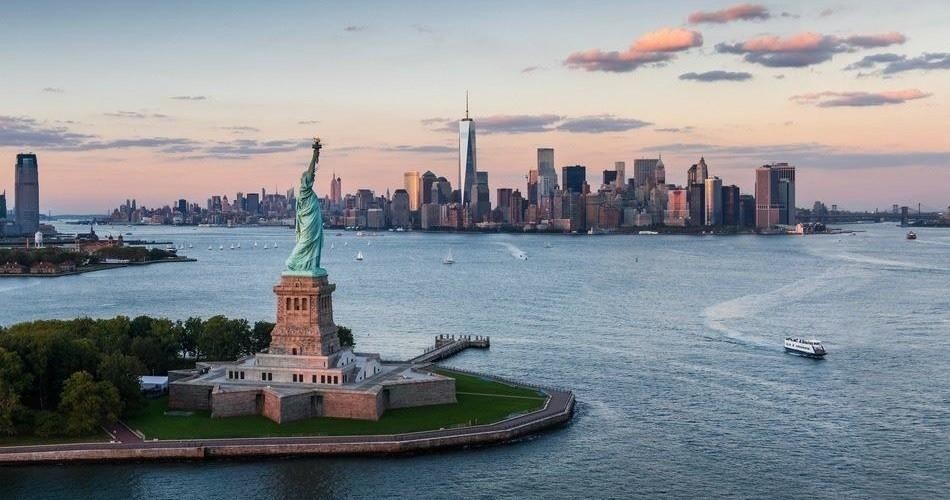
Air Activities in Bayonne, New Jersey
Bayonne Air Activities Guide

Air Activities in Bayonne, New Jersey

Between the industrial sweep of the Kill Van Kull and the glint of the Manhattan skyline, Bayonne offers a surprising launchpad for airborne perspectives. From helicopter arcs that braid the harbor and the Statue of Liberty to low-and-slow scenic flights that pick out shipping lanes, salt-marsh ribbons, and the skeletal geometry of bridges, the city is a practical hub for short, dramatic aerial experiences that connect New Jersey’s waterfront to greater New York. This guide focuses on the air-based ways to see Bayonne—helicopter tours, nearby seaplane and small-aircraft options, coastal parasailing and ballooning possibilities within a short drive—and what travelers should know to plan a safe, memorable flight.

Newark BayNew York HarborHudson River WaterfrontBayonne Bridge

Live destination inventory

Top Air Activities Trips in Bayonne

51 trips · Book with confidence · Instant confirmation

The prototype intentionally does not invent replacement trip cards or add images that are not already part of the live source page.

The city from the water

Why Bayonne Works for Air Activities

Bayonne sits at a crossroads of maritime commerce and metropolitan skyline, and that intersection is precisely what makes it an intriguing base for air activities. Unlike remote mountain towns where the sky is the principal attraction, Bayonne’s aerial draws are relational: flights reveal the city’s place within the greater New York Harbor system, the choreography of container ships threading the Kill Van Kull, the layered geometry of bridges, and the surprising pockets of tidal wetlands that survive between industrial piers. A short flight here turns the familiar urban silhouette of Manhattan into a study of composition—rows of blocks, ribbons of rail, and the distinct notch of the Statue of Liberty—while also highlighting features you can’t fully appreciate from ground level: the scale of refineries, the pattern of salt-marsh channels along the Hackensack Meadowlands, and the floodplain contours that inform regional climate planning. For travelers, Bayonne’s air-activity scene is pragmatic: it’s close to major heliports and small-aircraft fields, so scenic hops and chartered flights are typically short, efficient, and easy to weave into a day's itinerary. Helicopter tours that cross Newark Bay and circle lower Manhattan provide the classic skyline snapshot in minutes; seaplane and small-plane options from nearby water or airport facilities can extend that view to include the coast north and south of the city. The result is a menu of experiences that suits different appetites—an adrenaline-sparked 12-minute helicopter arc, a languid early-morning balloon launch in a neighboring county, or a tandem parasail session at a Jersey Shore beach within easy drive time. But there are practical realities that shape the experience. Bayonne sits under complex and tightly regulated airspace because of its proximity to Newark Liberty International and New York metropolitan traffic. That means aircraft movements are coordinated carefully, routes are often fixed for safety, and weather minimums may be stricter than in open-country settings. Seasonality matters: clear spring and autumn days deliver the best visibility for skyline and harbor photography; summer’s humidity and haze can mute distant detail, while winter offers crisp air but more frequent cancellations. Complementary activities also enrich an air-focused trip: combine a morning harbor flight with an afternoon walk or bike ride through Bayonne’s waterfront parks, or pair a seaplane excursion with a ferry ride to Liberty State Park to explore immigration-history monuments and shoreline trails. Ultimately, Bayonne’s value for air activities is about perspective—literal and contextual. Flights here reveal the layered infrastructure of an urban region, the way land meets sea at scale, and the human stories embedded in transit corridors and industrial edges. They are short on logistics and high on payoff: compact adventures that deliver dramatic vistas without the long drives often required to reach remote flight zones. For travelers who want to add a distinct visual chapter to a New Jersey or New York itinerary, Bayonne is a practical, photogenic, and surprisingly poetic starting point.

Short flights are the norm: most air experiences accessible from Bayonne are half-hour or less, so you can plan them as stand-alone highlights or as part of a larger travel day. This makes aerial tours highly accessible to visitors who want a big view without committing to prolonged transit or complex logistics.

Operators coordinate with regional air-traffic control and Port Authority restrictions; expect standardized flight paths that prioritize safety and noise management. Because of this, pilots are skilled at turning predetermined routes into memorable visual narratives—calling out landmarks, aligning passes for photo opportunities, and timing approaches for optimal light.

Activity focus

Choose by purpose

Whale watching, snorkeling, sunset sailing, cultural canoeing, harbor sightseeing, or private chartering.

Departure hubs

Start near the city

Waikiki and Honolulu Harbor are primary hubs, with some trips launching near Hanauma Bay.

Accessibility

Confirm the vessel

Gangways, shaded seating, and boarding requirements vary according to vessel size and operator.

Seasonal planning

Best Time to Visit

Bayonne is warm year-round, but wind, swell, migration, visibility, and demand change the best match between traveler and trip.

Bayonne boat tour
Year-round destination

Seasonal highlights change the reason to go

Winter favors humpback encounters; warmer, calmer months favor snorkeling visibility and smoother water.

Humpback season

Late spring through early fall—weekends and holidays can fill available tour slots quickly.

Prime whale watching, winter holidays, higher demand, and earlier sell-outs.

Snorkeling window

April–May–June–September–October

Typically gentler seas and clearer water for snorkeling trips.

Weather notes

Trade winds year-round

Spring and fall yield the clearest visibility and the most reliably calm winds; summer can bring hazy skies and thermals that affect visibility, while winter has crisp air but a higher risk of cancellations due to snow or low ceilings.

Quieter opportunities

Late spring & summer weekdays

Winter flights offer stark, high-contrast photos of skyline and shorelines when weather cooperates; operators sometimes run discounted or limited schedules in shoulder months.

Match the trip to your comfort

Choose Your Experience Level

Low effort

Beginner

Short, guided sightseeing flights with minimal physical demands. Ideal for first-time flyers or travelers seeking iconic skyline and harbor views without technical preparation.

  • Helicopter harbor circuit for skyline and Statue of Liberty views
  • Short seaplane hop from nearby coastal locations (subject to availability)
  • Tethered balloon or scenic tethered lift at neighboring open-space events
Active day trip

Intermediate

Longer scenic flights, combined excursions, or experiences requiring some tolerance for confined spaces or open-air conditions.

  • Extended coastal scenic flight that includes Liberty and Sandy Hook approaches
  • Tandem parasailing sessions at nearby beaches paired with ferry or shoreline exploration
  • Sunset helicopter flights timed for golden-hour cityscapes
Longer or technical

Advanced

Activities that demand higher physical readiness or specialized briefings—often offered by certified providers with strict safety protocols.

  • Private charter flights with customized routes (requires coordination and clearances)
  • Hot-air balloon launches in nearby rural launch sites (early-morning operations and weather-dependent)
  • Tandem skydiving at a regional drop zone within driving distance

Prepare for sun, spray, and swell

What to Bring

Essential

Core kit

  • Government ID (required for most charter and helicopter flights)
  • Weather-appropriate layers—it’s windier and colder aloft
  • Camera with a fast shutter or a phone with lens protection
  • Sunglasses and sunscreen for open-cockpit or low-wing flights
  • Ear protection if sensitive to helicopter noise
Recommended

Useful extras

  • Small dry bag for loose items during helicopter or seaplane operations
  • Lightweight windbreaker for boarding/deboarding on exposed ramps
  • Binoculars for ferry, shoreline or balloon pairings
  • Charged phone and a portable battery for in-flight photos
Optional

Trip-specific

  • Motion-sickness remedies for those new to small-craft flight
  • Compact travel tripod or stabilizer for videography
  • Notebook for sketching or jotting landmark notes
Advance booking and flexible timing will improve your chances of flying on ideal days.

Insider Tips & Local Knowledge

Reserve whale-watching and popular sunset cruises well ahead during December–April.
Choose morning snorkeling departures for calmer seas and better underwater visibility.
For motion sensitivity, choose a larger vessel, sit mid-ship, and take preventative medication before boarding.
Do not touch coral or wildlife, avoid standing on reefs, and use reef-safe sunscreen.
Community-based operators may add context about traditional navigation and stewardship.
Arrive early for parking and check-in because Waikiki departure areas can be busy.

Planning questions

Frequently Asked Questions

Individual travelers typically do not need permits; accredited tour operators and charter companies handle regulatory clearances and airspace coordination. If you plan a private flight, consult the FAA and local authorities well in advance.
Air Activities in Bayonne, New Jersey
Ready for your air activities adventure?

Browse 51 verified trips in Bayonne.

Compare current availability and book with instant confirmation.

Explore Bayonne air activities