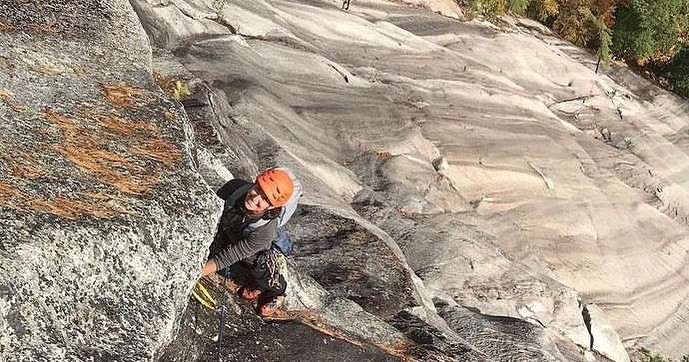
Climbing in Bartlett, New Hampshire

Bartlett, New Hampshire

Bartlett sits at the threshold of the White Mountains, where granite ledges and steep forested gullies invite climbers of all stripes. From long, sun-warmed sport and trad pitches on Cathedral and Whitehorse Ledges to winter ice lines in nearby couloirs, the town is both a gateway and a climbing destination in its own right. This guide focuses on rock and alpine climbing opportunities around Bartlett, blending practical route advice, seasonality, access considerations, and the local character that shapes every ascent.

11
Activities
Spring–Fall for rock climbing; Winter for ice and mixed climbing
Best Months

Top Climbing Trips in Bartlett

11 trips • Book with confidence • Instant confirmation

Why Bartlett Is a Standout Climbing Destination

There’s a blunt, honest quality to climbing around Bartlett: the rock tells you where your hands and feet want to go, the forests hush the valley between pitches, and seasonal weather shapes the rhythm of every climb. For decades the ledges that rim the Mount Washington Valley have drawn climbers seeking solid cracks, technical slab, and accessible multipitches that still feel adventurous even when the approaches are short. Cathedral and Whitehorse Ledges—just a short drive from Bartlett’s center—offer an array of single- and multi-pitch lines that are perfect for building skills, practicing trad techniques, or sending well-bolted sport routes in scenic settings. Those ledges sit beneath a big sky; mornings can be crisp and clear, afternoons warm and alive with thermals that sweep the valley, and evenings quiet enough to stand on a belay ledge and listen to distant rivers.

Beyond sport and trad, Bartlett’s location inside the White Mountains opens routes to alpine-minded climbers. High-country scrambles, mixed winter lines, and nearby long approaches give climbers options for anything from a quick top-rope session to a full-day multipitch linking ridgelines. Local climbing culture skews practical and collaborative: climbers are used to sharing beta on less-traveled slab, helping one another stake a belay in sketchy weather, and swapping parking tips for early starts. That ethos matters—access is often negotiated with land managers and local stakeholders, so a respectful approach to parking, chalk, and route-cleaning preserves the fragile goodwill that keeps many classic areas open.

Environmentally, the climbing here is woven into an active mountain landscape. Trails climb through mixed hardwood and conifer stands, streams braid the valley floor, and ledges rise from talus slopes where natural drainage and freeze-thaw cycles shape holds and features. That dynamic makes seasonal awareness essential: spring thaw brings wet rock and muddy approaches; late-summer heat can bake southern aspects; autumn delivers crisp, stable conditions and the busiest visitor season. Winter flips the script—many rock faces freeze into ice climbs or mixed routes, requiring tools, crampons, and alpine experience.

For visiting climbers, Bartlett offers an efficient base: modest accommodation, easy access to grocery and outdoor shops, and roads that open quickly in good weather. The climbing experience feels layered—part technical challenge, part natural theater—and it rewards climbers who come curious, prepared, and willing to adapt. Whether you’re refining trad anchors, learning multipitch transitions, or hunting winter lines, Bartlett delivers a compact, character-rich climbing scene that reads like a concentrated guidebook of the White Mountains.

The ledges near Bartlett condense a variety of climbing styles—slab, finger cracks, and face climbs—into short approaches, making the town an efficient training ground.

Seasons reshape the opportunities: late spring and fall are prime for dry rock, summer mornings are ideal to beat heat, and winter specializes in ice and mixed routes.

Local access is generally straightforward, but many popular sectors depend on parking etiquette and respect for state/private land boundaries.

Activity focus: Rock climbing, trad and sport; winter ice and mixed routes nearby
Number of curated climbing experiences in this guide: 11
Best rock seasons: late spring through early fall
Winter brings technical ice climbs—expect different gear and skills
Short approaches to many classic single- and multi-pitch routes

Best Time to Visit

Best Months

MayJuneSeptemberOctober

Weather Notes

Late spring and fall generally offer the most stable, pleasantly cool rock conditions. Summer can be humid in the valley—plan early starts to avoid heat and afternoon storms. Winter transforms many rock routes into ice and mixed climbs; expect sustained cold, shorter daylight, and the need for specialized gear.

Peak Season

Late September to early October (fall color draws higher visitation and weekend crowds).

Off-Season Opportunities

Winter brings ice-climbing opportunities on nearby couloirs and runs; shoulder seasons (late spring, early fall) are quieter and often ideal for long approaches and multipitch practice.

Frequently Asked Questions

Do I need permits for climbing near Bartlett?

Most shore-ledges and state park climbing areas do not require individual climbing permits, but parking restrictions, managed areas, and seasonal access limitations may apply. Check with local land managers or the New Hampshire state park pages before you go.

Are there guided options for climbers new to the area?

Yes. Local guiding services operate out of the Mount Washington Valley and nearby towns—guides are recommended for learning trad anchors, multipitch procedures, and ice-climbing techniques in winter.

Is it safe to climb alone around Bartlett?

Solo climbing increases risk. Many routes are best done with a trusted partner; if soloing, limit yourself to well-practiced top-rope or bouldering below your limits and inform someone of your plans.

Choose Your Experience Level

Beginner

Short approaches to bolted sport routes and accessible top-rope anchors make Bartlett friendly for newer climbers learning ropework and route-reading.

  • Top-rope sessions on lower-angle bolted routes
  • Beginner trad practice on easy crack lines (with guidance)
  • Bouldering and slab scrambling near trailheads

Intermediate

Climbers comfortable with placing gear and managing single-pitch leads will find many routes that test technique without committing to long alpine exposures.

  • Sport and short trad lead routes on Cathedral and Whitehorse Ledges
  • Multipitch practice on moderate two- to three-pitch lines
  • Guided introduction to winter mixed climbing techniques

Advanced

Harder technical face climbs, long multipitches, and winter ice/mixed routes require advanced route-finding, efficient ropework, and mastery of protection systems.

  • Linking long multipitches in the high country
  • Steep mixed or ice routes in winter couloirs
  • Technical trad lines with sustained crack systems

Insider Tips & Local Knowledge

Always check current access notes, seasonal restrictions, and weather forecasts before heading out. Respect private driveways and posted closures.

Arrive early—parking at popular ledges fills quickly on summer weekends and during fall color. Use established trails and park in designated areas to avoid conflicts with neighbors. Bring a physical topo or a downloaded topo; cell service can be patchy in the valley. If you plan to climb in winter, hire a guide or ensure your party has proven experience with ice tools and snow travel. Share beta and route conditions with the local community to help maintain access and keep everyone informed.

What to Bring

Essential

  • Climbing harness, helmet, and pair of climbing shoes
  • Rope (single 60m commonly adequate) and personal anchor system
  • Appropriate protection: trad rack or sport draws depending on route
  • Belay device and locking carabiners
  • Water, snacks, and weather-appropriate layers

Recommended

  • Guidebook or up-to-date topo for Cathedral and Whitehorse Ledges
  • Small first-aid kit and emergency bivy or shelter
  • Approach shoes with sticky rubber for talus and slab approaches
  • Headlamp for early starts or late finishes

Optional

  • Climbing tape and a small brush for cleaning holds (use sparingly)
  • Microspikes or lightweight crampons in shoulder seasons
  • Two ropes for long multipitches or complex lowering systems

Ready for Your Climbing Adventure?

Browse 11 verified trips in Bartlett with instant booking

Explore Top 15 Bartlett, New Hampshire Adventures →