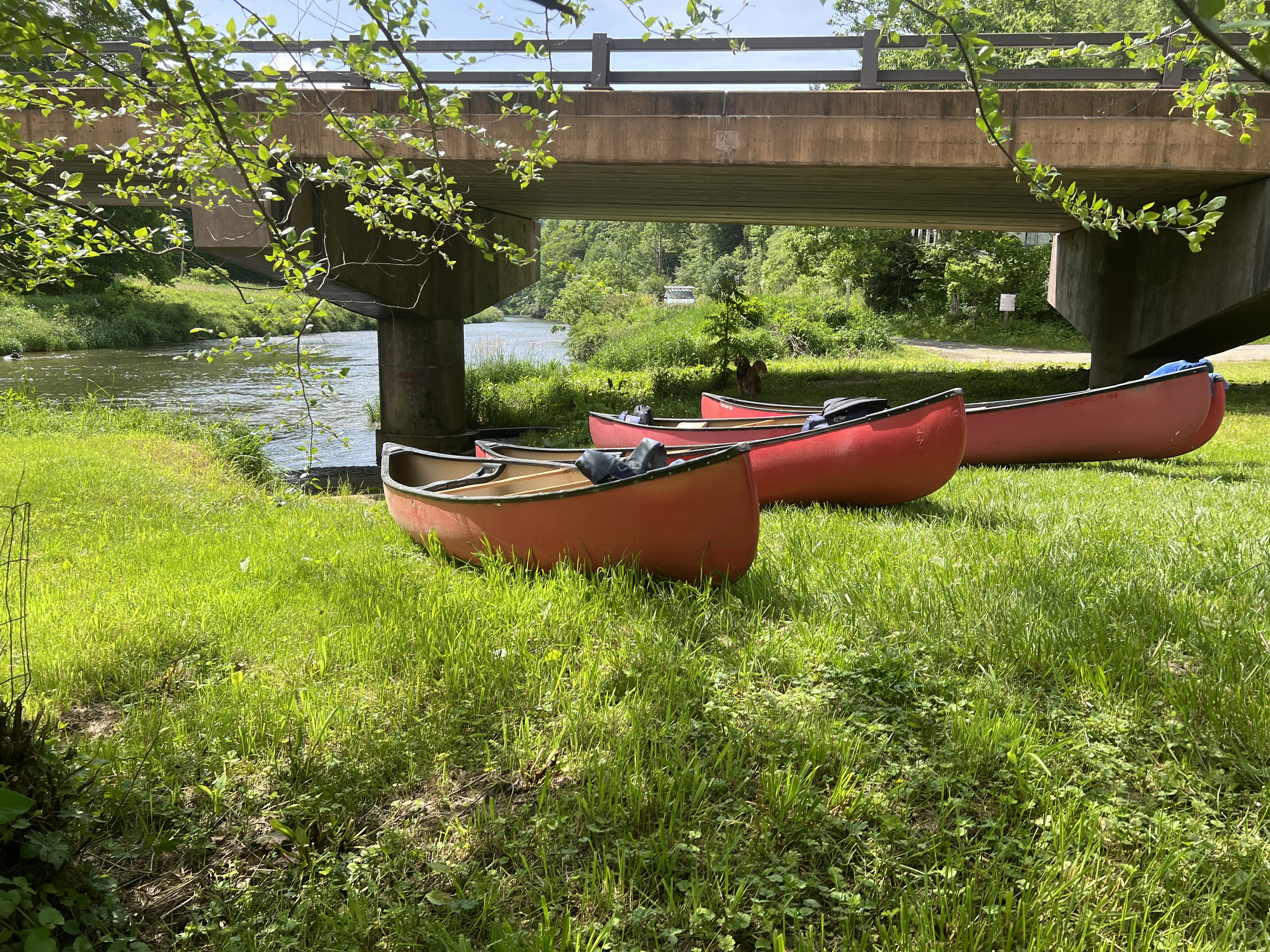
Canoeing in Bakersville, North Carolina
Nestled where folded Appalachians give way to wide river corridors, Bakersville and its surrounding valleys offer canoeists surprisingly varied water: placid meanders for gentle day floats, riffled runs that teach stroke control, and secluded coves edged by rhododendron and sandstone bluffs. This guide focuses on canoeing access near Bakersville—what to expect on the water, how seasons shape flows, and how to combine paddling with hiking, fishing, and backcountry camping for a full Appalachian outing.
Top Canoe Trips in Bakersville
8 trips • Book with confidence • Instant confirmation
Why Bakersville Works for Canoeists
There is an unassuming clarity to paddling around Bakersville: the rivers are not famous whitewater playgrounds, but they possess something quieter and, for many, more compelling—a sense of place sewn into the seams of Appalachian weather, geology, and rural life. Canoeing here is rarely about big-name rapids or packed outfitters. It is about reading current in a narrow valley, lining up a stroke to skirt a ledge of slate, and watching the long shadow of a hill move across the water as afternoon light slides down the ridge. From early spring, when mountain runoff lifts water levels and softens fallen logs into brief obstacles, through the warm lull of late summer and the crisp mornings of fall, the North Toe River and its feeder streams offer a spectrum of canoeing that rewards attentiveness.
The setting shapes the style. Trees press close to the banks—tulip poplar, hemlock, and quilted rhododendron—so many paddles here have you leaning slightly to see the shoreline. The river widens into slow, reflective pools where migrating waterfowl sometimes circle and then tightens into riffles where a single efficient stroke can steer a canoe through shallow gravel bars. Cultural touches are frequent: low stone bridges built by earlier generations, farm fields that slide down to the water in places, and small riverfront communities that have relied on these streams for generations. Those human details give a Bakersville paddle the rhythm of a lived landscape rather than an isolated wilderness.
Practical advantages matter too. Bakersville serves as a low-traffic gateway—parking and put-in spots rarely reach the congestion seen at bigger Carolina river access areas—and the proximity of Pisgah and Cherokee national forest pockets makes it easy to combine a canoe outing with a short ridge hike or a riverside camp. Weather can be cooperative: spring and early summer provide steady paddling flows from Appalachian runoff, while fall delivers cooler, insect-free days and striking foliage reflected in the water. However, seasons also demand respect; low summer flows and winter ice can alter route viability, while late-winter melts produce stronger currents that reward practiced boat control.
This guide is intended to help paddlers imagine and plan trips that match their appetite—whether that means a mellow family float punctuated by swimming and picnicking, a technical shuttle through riffled river sections, or an overnight canoe-camp with fire-side trout fishing. Along the way you’ll find down-to-earth advice about access, timing, gear, complementary activities, and local stewardship so your float is safe, low-impact, and richly Appalachian.
Canoeing near Bakersville is a blend of flatwater camping stretches and short sections of moving water—perfect for paddlers who appreciate navigation and subtle current reading rather than continuous rapids.
Because many access points are on county roads and forest service land, parking tends to be informal. Practice Leave No Trace and double-check local rules on river access and private property.
Combine canoe days with onshore activities: hike a short Pisgah trail, drop a line for trout where permitted, or explore backroad overlooks for sunrise photography.
Best Time to Visit
Best Months
Weather Notes
Spring offers higher, more navigable flows; summer warms the water but can drop river levels in dry spells; fall brings cooler temperatures, crisp mornings, and vibrant foliage reflected on calm pools. Afternoon thunderstorms are most common in summer—plan early starts and keep an eye on upstream weather.
Peak Season
Late May through October weekends (pleasant temperatures and accessible flows) are the busiest times near popular put-ins.
Off-Season Opportunities
Late-winter paddles can be solitary and dramatic when flows are high; early spring runoff provides powerful current for experienced paddlers. Verify ice and high-water safety before heading out.
Frequently Asked Questions
Do I need permits to canoe around Bakersville?
Most day canoeing does not require a permit, but some forest service or county-managed access sites may have parking fees or seasonal restrictions. If your route uses private ramps, secure permission from landowners.
Are the rivers around Bakersville suitable for beginners?
Yes—there are flat, easy floats and short, manageable riffles appropriate for beginners under calm conditions. Beginners should avoid high-flow spring runoff sections and consider guided trips for their first time.
Is shuttle service available for point-to-point trips?
Formal shuttle services are limited; many paddlers arrange rides with their group or contact local outfitters in nearby towns. Plan logistics in advance, and leave ample time for transfers on narrow mountain roads.
Choose Your Experience Level
Beginner
Short, low-current floats with wide, calm pools—ideal for families, casual paddlers, and anyone learning basic strokes.
- Easy riverside day float with a picnic stop
- Calm pool paddling with shore exploration
- Introductory half-day canoe outing from a county put-in
Intermediate
Longer point-to-point stretches with riffles, occasional shallow bar navigation, and simple shuttle logistics. Requires basic current-reading and efficient paddling.
- Half- to full-day shuttle between scenic put-ins
- Mixed riffle-and-pool run that requires edging and brace strokes
- Overnight canoe-camp combining paddling and a short hike
Advanced
Higher-flow spring runs, technical shallow sections, and overnight river expeditions that demand solid boat control, rescue skills, and self-sufficiency.
- Spring runoff stretches with stronger current and technical navigation
- Multi-day canoe-camping trips with stream portages
- Combined canoe-and-hike itineraries into remote Pisgah backcountry
Insider Tips & Local Knowledge
Respect private land, check access before you launch, and monitor upstream weather; mountain creeks can change fast.
Put in early to enjoy glassy mornings and to avoid afternoon winds and storms. If you’re planning a shuttle, factor in narrow, winding roads—allow more time than a flatland drive would require. Local anglers appreciate quiet shorelines; keep noise low near known fishing holes. In spring, expect higher flows and stronger currents—wear your PFD and consider a river-ready boat setup. For low-water summer days, shorter loop floats and exploration of side channels provide better access and fewer groundings. Finally, pack out everything: the small towns and forested corridors here rely on responsible recreation to keep access open.
What to Bring
Essential
- USCG-approved personal flotation device (PFD) for each paddler
- Two paddles (primary + spare) with paddle leash
- Dry bags for layers, food, and electronics
- Water and high-energy snacks
- Map of access points or downloaded offline map
- Basic first-aid kit and whistle
Recommended
- Rugged water footwear (neoprene or quick-dry shoes)
- Lightweight shelter or emergency bivy for overnight trips
- Repair kit for canoe (duct tape, cord, small multi-tool)
- Sunscreen, hat, and polarized sunglasses
- Small rope or throw bag for shuttles and low-clearance maneuvers
Optional
- Fishing gear (observe local regulations and licenses)
- Inflatable or foldable canoe cart for short carries
- Camera with waterproof case
- Compact camp stove for overnight paddlers
Ready for Your Canoe Adventure?
Browse 8 verified trips in Bakersville with instant booking
Explore Top 15 Bakersville, North Carolina Adventures →