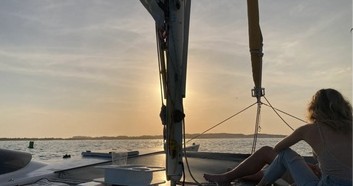
Sailing Baker, Florida: Estuary Days & Coastal Overnights
Sailing out of Baker is less about marquee harbors and more about a quiet intimacy with Florida’s coastal waterways: low-slung marshes, winding tidal creeks, and open nearshore runs that reward patience with wide skies and wildlife-rich anchorages. Expect days that pivot between gentle flat-water cruising through ribboned seagrass and brief runs across open water when the wind shifts. This guide focuses on practical route choices, seasonal considerations, local watercraft styles, and the stewardship practices that keep shallow-water sailing sustainable for anglers, paddlers, and sailors who come for calm mornings and luminous sunsets.
Top Sailing Trips in Baker
14 trips • Book with confidence • Instant confirmation
Why Baker Is a Distinctive Sailing Base
There’s a particular hush that falls across Florida’s tidal marshes at first light, a slow unwinding of night sounds as the day’s breeze stirs the grasses and the water glass-softens under hulls. For sailors who prize low-stress navigation, bird-saturated shorelines, and the tactile pleasures of seamanship—checking a tide, reefing early, easing into an anchorage—Baker delivers an understated, coastal-southern experience that’s both immediate and quietly deep. The region’s waterways are defined by contrasts: sheltered creeks that demand shallow-draft attention and nearshore channels that open to brisk afternoons when sea breezes build. Those contrasts shape the sailing here. Small dayboats and shoal-keel cruisers find more options, while larger keels must be measured against tide windows and marked channels. The result is a place where sailing is as much about local knowledge—where the sandbars move and shoals appear after storms—as it is about wind and sail trim.
Historically, communities around Florida’s quieter water edges grew with a relationship to the tide: oystering, shrimping, and small-boat fishing forged a culture of practical seamanship that translates directly to recreational sailing today. That heritage gives Baker a rhythm that favors skill-building over spectacle. You’ll meet captains who read the mudline like a map and weekend sailors who plan their outings around morning glass-offs and afternoon gusts. For travelers, that means accessible learning: dinghy or small-boat sailing lessons, skippered charters that emphasize coastal navigation, and short coastal hops between quiet anchorages. The trade-off for this intimacy is vigilance—charts, local notices, and tide tables are not optional. Many of the safest and most scenic spots sit behind shallow approaches or through narrow, winding cuts; arriving on a high tide and departing on an outgoing can be the difference between a smooth passage and a long wait.
Ecology is part of the experience. Seagrasses, oyster bars, and mangrove edges (where present) are not just scenery; they are fragile, living systems that support birds, juvenile fish, and the charismatic occasional dolphin. Responsible anchoring, using designated moorings where available, and minimizing engine time in shallow seagrass contribute directly to the health of the places sailors come to enjoy. For photographers and wildlife watchers, the rewards are immediate: close-up views of shorebirds on mudflats at low tide, schools of baitfish that pulse beneath the hull, and the quiet approach of early-morning flats fishermen. Complementary activities—stand-up paddleboarding through narrow creeks, casting from the bow for spotted trout, or hiking small barrier beaches—round out a sailing trip for groups with mixed interests.
From a planning perspective, Baker’s sailing stitches together short day sails and modest overnight cruises rather than long bluewater legs. Routes are often measured in hours, not days: a morning cruise through a tidal creek, an afternoon beam reach to an exposed sandbar, then a protected anchorage with a thermally cooled evening. The practicalities matter: shallow charts, local radio channels, fuel and provisioning points, and simple seamanship skills keep itineraries flexible. Whether you’re a beginner looking for calm-water time under the guidance of a local skipper, or an experienced captain plotting shoal-aware coastal hops, Baker rewards preparation, respect for the environment, and a patient appreciation of the small things—a perfect tack, a glassy inlet, and the soft sound of marsh birds at dusk.
Sailing in Baker emphasizes shallow-water skill and tide-aware navigation; many of the best anchorages require timing and local knowledge rather than raw boat power.
The area pairs easily with other low-impact activities—paddling, light fishing, birding, and beachcombing—making it a strong option for mixed-ability groups.
Best Time to Visit
Best Months
Weather Notes
Fall through spring generally offers steadier, cooler winds, lower humidity, and fewer thunderstorms than summer. Summer brings warm water but also higher humidity and frequent afternoon thunderstorms; hurricane season (June–November) requires contingency plans and flexible bookings.
Peak Season
Winter and early spring (December–April) — milder temperatures and reliable winds make this the busiest period for charters and slip availability.
Off-Season Opportunities
Summer can mean fewer day sailors and more affordable charters, with calm early-morning conditions ideal for photo and wildlife outings; plan around afternoon storms and always monitor tropical forecasts.
Frequently Asked Questions
Do I need permits to anchor near shore or in estuaries?
Regulations vary by waterbody. Many natural areas carry restrictions on anchoring, especially over seagrass beds or within protected reserves. Check local marine notices, use designated moorings if available, and ask the marina or charter company about no-anchor zones.
Can I rent sailboats or book skippered charters in Baker?
Small-boat rentals and skippered charters are common in regions like this; availability depends on season and local operators. If you lack shallow-water experience, a skippered option is a safe way to explore local cuttings and tide-dependent approaches.
Are tide and current strong concerns for short coastal hops?
Yes. Tides and tidal currents shape many approaches and channel depths. Plan arrivals on favorable tides and keep ample margin for shoals—consult tide tables, local advice, and updated charts before setting out.
Choose Your Experience Level
Beginner
Calm, sheltered daysailing in protected creeks and estuaries with an emphasis on basic sail handling and safety under guidance.
- Introductory daysail in protected tidal creeks
- Skippered half-day charter for first-time sailors
- Guided wildlife paddle and sail combo
Intermediate
Short coastal hops, tidal planning, and overnights in sheltered anchorages; requires familiarity with charts, anchor techniques, and basic navigation.
- Overnight to a nearby protected anchorage
- Tidal-creek navigation and shoal-awareness training
- Mixed sailing and fishing day trip
Advanced
Complex passage planning, shoal-aware coastal runs, night sailing, or any longer nearshore cruising that requires advanced navigation, weather routing, and contingency planning.
- Extended coastal cruise linking multiple anchorages
- Shoal and channel navigation at low tide
- Performance sailing and local regatta participation
Insider Tips & Local Knowledge
Tide tables, up-to-date charts, and local briefings are essential—prepare, then respect the water and wildlife.
Start planning with tide windows in mind: many shallow approaches are only reliably passable on mid to high tides. If you’re new to the area, hire a local skipper for the first outing to learn subtle markers—mudlines on pilings, the look of a safe cut, and current patterns. Use moorings where provided and avoid anchoring in visible seagrass; prop scarring and anchor damage can have outsized ecological impacts. Pack a handheld VHF and know the local channel for marina communications; cell service can be patchy in narrow creeks. Morning sails are often the most pleasant—calm, clear, and full of wildlife—while afternoons bring sea breeze and the potential for short, strong squalls in summer. For hurricane season, confirm cancellation and shelter plans with your charter or slip provider; evacuations and haul-outs happen with warning. Lastly, leave no trace: collect all trash, secure microplastics aboard, and follow local waste-disposal rules. Small courtesies—returning borrowed fenders, sharing local knowledge with visiting crews, and yielding to commercial traffic—go a long way in close-knit coastal communities.
What to Bring
Essential
- US-chartplotter or updated paper charts and tide tables
- Life jackets for every passenger (proper fit for children)
- Sunscreen, sun hat, and reef-safe sunscreen
- Waterproof foul-weather top and layered clothing for changing winds
- VHF radio (handheld backup recommended)
Recommended
- Anchor rode with sufficient length and a shallow-water anchor (e.g., plow or scoop)
- Tide and current app or printed tide tables for the local area
- Snorkel mask and reef shoes for quick shore swims
- Spare lines, fenders, and a basic tool kit
- Portable water and extra fuel for longer nearshore hops
Optional
- Binoculars and a small telephoto lens for birding
- Portable solar charger for extended day use
- Compact fishing tackle for light inshore angling
- Dry bag for valuables and electronics
Ready for Your Sailing Adventure?
Browse 14 verified trips in Baker with instant booking
Explore Top 15 Baker, Florida Adventures →