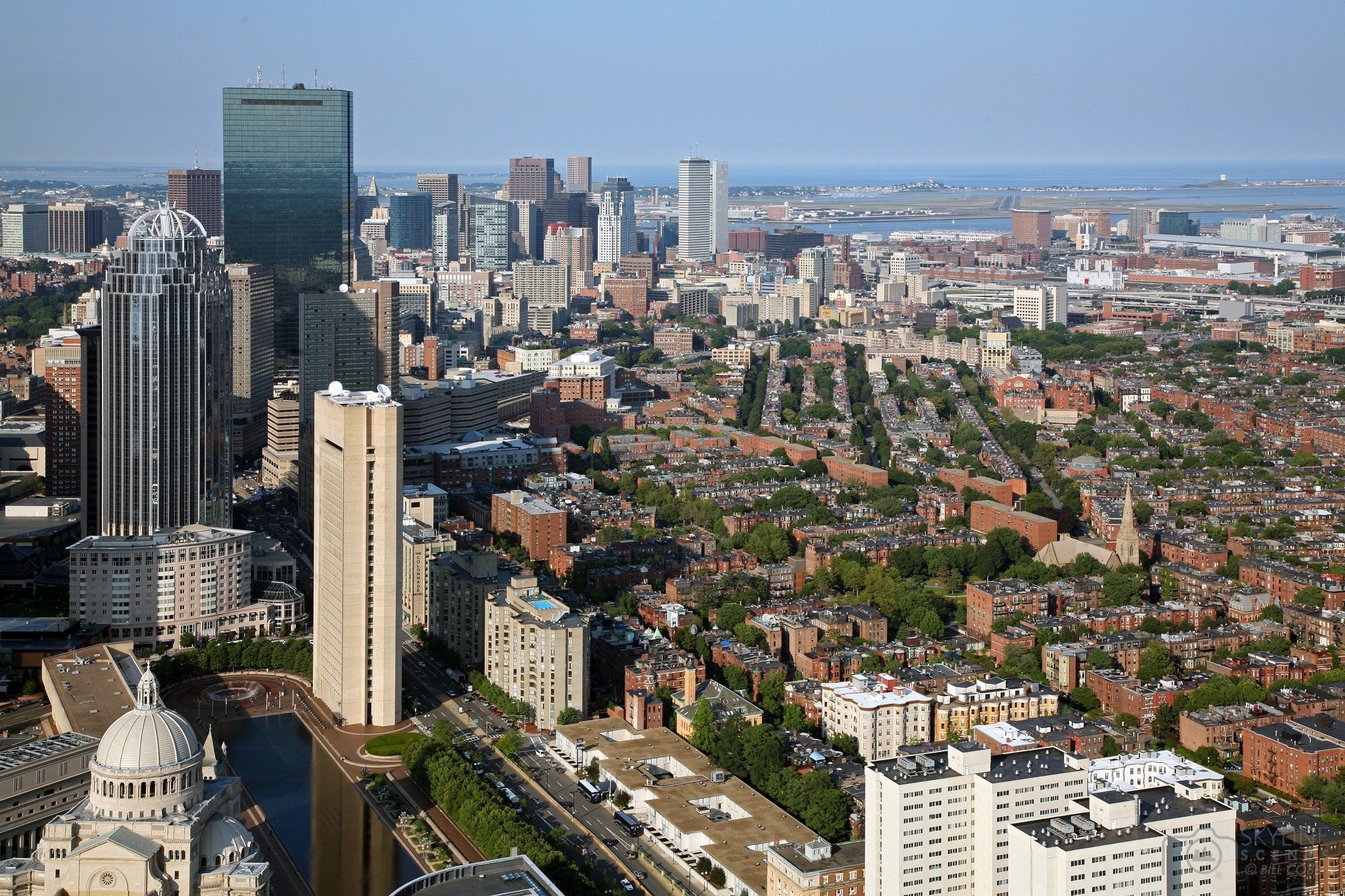
Photography Tours in Ayer, Massachusetts

Ayer, Massachusetts

Ayer's modest New England streets, rail-trail corridors, and patchwork of wetlands and farmland make a surprisingly rich canvas for photographers. This guide focuses on photography tours—guided outings, self-directed routes, and small-group workshops—that foreground light, seasonal color, and intimate encounters with local landscapes and history.

8
Activities
Year-round, with spring and fall peaks
Best Months

Top Photography Tour Trips in Ayer

8 trips • Book with confidence • Instant confirmation

Why Ayer Works for Photography Tours

Ayer sits quietly at the intersection of New England’s working history and its softer rural edges, and that contrast is a boon for photographers. On a photography tour here you find compositions born of place: weathered brick and clapboard facades, sunlit rail beds that slice through fields, reflective wetlands that hold cloud-sculpted skies, and lines of utility poles and fences that become graphic elements at dawn and dusk. The town’s scale is human—short drives, compact neighborhoods, and easy-access natural edges—so a single morning or evening can yield a wide variety of subjects and moods.

Light in Ayer is the organizing principle. Low-angle light in spring and fall sculpts texture on old wood and brick, while the open skies over wet meadows make for dramatic cloud-backed landscapes. Winter strips scenes down to shape and line: skeletal trees, long shadows, and frozen reflections; long exposures and monochrome approaches work especially well. Summer lends a softer palette—lush grasses, backlit leaves, and late blue-hour portraits—but also brings high midday contrast that pushes planning toward dawn and dusk outings. A photographer on a guided tour will move according to light, with vantage points selected for silhouette, layered foreground interest, and reflections.

Photography tours here also lean on storytelling. A guided route often pairs technique (long exposures, HDR for interior-to-window balance, or pan-tilt for motion) with local context—why a mill building sits where it does, how the rail corridor shaped land use, where migratory birds stage in spring. That blend of craft and context helps travelers produce images that feel rooted rather than generic. For those self-directing their shoots, Ayer’s approachable network of roads, short trails, and public access points makes it easy to chain sunrise rail-trail shoots into mid-morning wetland birding and late-afternoon architectural details in town.

Practically, Ayer’s tours span photographic interests: landscape and nature, historic and architectural, street and portraiture, and seasonal wildlife. Many operators run half-day sunrise sessions and golden-hour evening workshops; some combine field shoots with a short classroom or review to unpack exposures and composition. Complementary activities—hiking short trails, bike rides along rail corridors, and kayak outings on nearby waterbodies—extend photographic opportunities and help diversify subject matter across a single stay. Whether you’re traveling light with a mirrorless kit or packing a full DSLR rig and tripod, Ayer rewards attention to light, patience for small moments, and a willingness to shift between wide, intimate, and human-scale frames.

Short drives between varied scenes make Ayer efficient for photographers. In one morning you can shoot dawn along a tree-lined rail trail, move to a meadow for reflective foregrounds, and finish with architectural details in town during blue hour.

Local guides and small-group workshops focus on practical technique—managing mixed light, long exposures for water and sky, and simple ways to add narrative to landscape photos—so novices walk away with better pictures and more confidence.

Seasonal cycles are pronounced: spring brings migrating birds and fresh greens, summer offers lush textures and late sunsets, fall turns fields and street trees to saturated color, and winter compresses the palette into shape and contrast.

Activity focus: Photography tours—guided and self-guided
Total recommended local photography experiences: 8
Ideal for landscape, architectural, wildlife, and street photography
Short drives and easy walking—good for half-day tours
Best light: dawn and golden hour; watch storms for dramatic skies

Best Time to Visit

Best Months

MayJuneSeptemberOctober

Weather Notes

Spring and fall offer the most dependable window light and comfortable temperatures; summer sunrise times are early and midday light can be harsh; winter creates stark, graphic scenes but requires cold-weather gear and attention to slippery surfaces.

Peak Season

Fall (September–October) for foliage and dramatic light, especially during golden hours.

Off-Season Opportunities

Winter weekdays give empty scenes and architectural isolation—ideal for minimalistic compositions and long-exposure experiments; spring shoulder seasons bring migratory birds and budding landscapes with fewer crowds.

Frequently Asked Questions

Do I need permits to photograph in Ayer?

Most public spaces and trails are fine for casual photography. Commercial shoots, drone use, or large-group setups may require permissions—check town ordinances and property ownership before planning commercial work.

Are photography tours suitable for beginners?

Yes. Many local workshops are designed for mixed-skill groups and focus on fundamentals like exposure, composition, and working with natural light.

Can I combine a photography tour with other outdoor activities?

Absolutely. Short hikes, rail-trail bike rides, and wetland birdwatching pair naturally with photography outings and expand your subject options across a single day.

Choose Your Experience Level

Beginner

Short guided sessions that introduce camera basics, composition, and simple post-shoot review. Ideal for travelers who want strong images without technical overwhelm.

  • Sunrise rail-trail walk with composition tips
  • Golden-hour townscape shoot focusing on architectural details
  • Wetland edge walk for basic nature framing and reflections

Intermediate

Workshops that push technique—manual exposure, long exposures, and basic light-shaping—paired with guided location scouting and creative assignments.

  • Long-exposure meadow and water studies at dusk
  • Mixed-light interior-to-window architectural exercises
  • Field workshop combining portrait and environmental storytelling

Advanced

Custom or commercial-level shoots that focus on advanced technique, extended scouting, and multi-light setups; may involve pre-shoot planning and editing sessions.

  • Full-day location scouting and shoot sequence across multiple sites
  • Advanced nightscape or astro-landscape sessions (weather permitting)
  • Commercial property or editorial-style architectural shoots

Insider Tips & Local Knowledge

Check access and private-property boundaries, plan around light, and always leave no trace.

Start before dawn for the best directional light and to avoid parked crowds near trailheads. Scouting in late afternoon often yields complementary compositions for sunrise the next day. Wetlands and meadow edges reward low-angle foregrounds—bring a small ground pad or stool. For architectural shots, look for layered details: peeling paint, signage, and rooflines that tell a local story. If you plan to use a drone or conduct a commercial shoot, contact local authorities and landowners in advance. Finally, weather changes fast in New England—pack rain protection, extra batteries for cold snaps, and a willingness to pivot composition plans when a storm or a break in clouds offers unexpected light.

What to Bring

Essential

  • Camera body and two lenses (wide-angle and a short tele/portrait lens)
  • Sturdy tripod for low-light and long exposures
  • Extra batteries and multiple memory cards
  • Weather protection (rain cover for camera and a pack cover)
  • Comfortable walking shoes and layered clothing for changing temperatures

Recommended

  • Polarizing and neutral-density filters for reflections and long exposures
  • Small reflector for portraits or fill light
  • Remote shutter release or intervalometer
  • Lens cleaning kit and microfiber cloth
  • Compact folding stool for extended field shoots

Optional

  • Drone for aerial perspectives (check local rules and no-fly zones)
  • Telephoto lens for distant wildlife
  • Portable power bank for charging devices
  • Notebook or lightweight laptop/tablet for quick image review

Ready for Your Photography Tour Adventure?

Browse 8 verified trips in Ayer with instant booking

Explore Top 15 Ayer, Massachusetts Adventures →