1

Top 4 Train Experiences in Aurora, Colorado

Aurora, Colorado

Aurora's train experiences are a study in contrasts: efficient commuter corridors that thread suburban neighborhoods, scenic arterial lines that open into Denver's historic rail hub, and doorways to longer Rocky Mountain journeys. This guide focuses on train travel as an outdoor-adjacent adventure—think golden-hour commutes that double as city panoramas, bike-and-rail day trips, and rail-linked escapes where the journey is the landscape.

4
Activities
Year-Round
Best Months

Top Train Trips in Aurora

4 trips • Book with confidence • Instant confirmation

Why Train Travel in Aurora Deserves Your Itinerary

There’s a specific type of attention the world asks of you on a train: a slow, deliberate watchfulness that turns ordinary territory into a series of framed scenes. In Aurora, that perspective is surprisingly rich. The city’s rail lines—part commuter lifeblood, part transit corridor—cut across suburban plains, edge industrial arteries, and open toward Denver’s rail spine. In practice, taking the train here feels like piloting between neighborhoods of different eras: ranch‑style suburbs give way to office parks and then to the brick and glass of Union Station, where historic timbers and modern glass meet like conversation partners.

For travelers, Aurora’s trains are both practical and quietly cinematic. Hop on an RTD light-rail car at a neighborhood stop and you’re negotiating a cross-section of contemporary Colorado: dog walkers at small parks, students with backpacks, construction cranes signaling growth, and, on clear days, the distant silhouette of the Rockies. These short segments are deceptively powerful—they stitch together neighborhood life, create access to trailheads, and let you arrive at a trailhead or a riverwalk without the friction of parking. And for those who want to push beyond the metropolitan, rail connections make it possible to step from an urban commute directly onto longer national routes that thread the mountains.

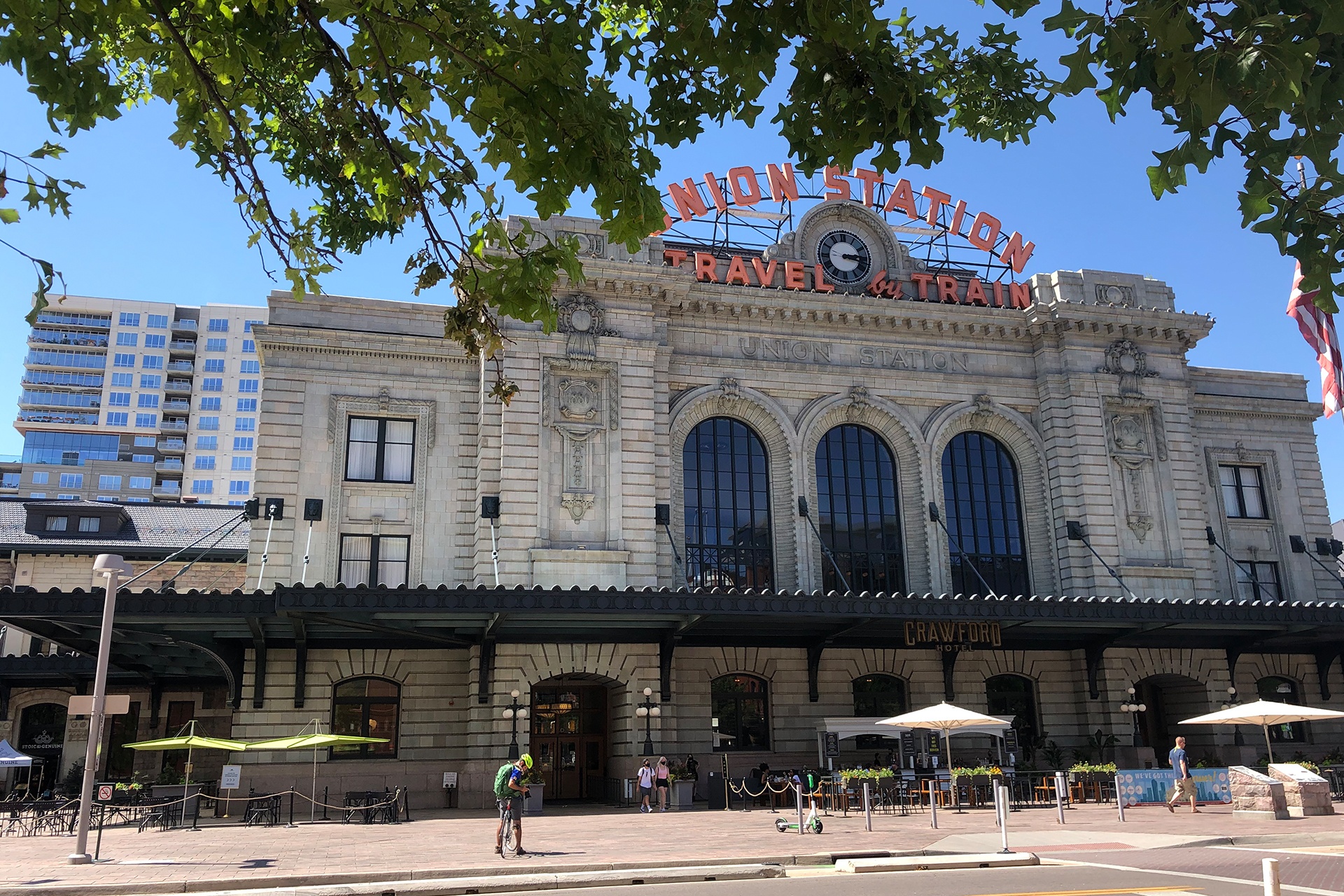
The heritage of rail travel here is also part of the region’s identity. Denver Union Station is the fulcrum: a restored 19th-century depot turned civic living room that anchors regional rail and long-distance services. From Aurora, that hub is reachable and from there you can access scenic corridors and excursions that trace switchbacks and river valleys into the high country. That makes Aurora an excellent staging point for hybrid adventures—bike/ride loops, day trips that begin with a light-rail hop and end with a guided float trip or a mountain hike, and photography outings that rely on precise arrival and departure times so you can catch light on the river or at a historic station.

Finally, train travel in and from Aurora folds environmental and social thinking into travel planning. Trains reduce the need for single-occupant cars on routes that often thread sensitive suburban ecosystems, and they invite travelers to slow their pace—an orientation that reveals details you miss when driving fast. Practical benefits round out the romance: consistent schedules, wheelchair-accessible platforms, and easy bike accommodations on many services. For the outdoor-minded traveler, that means more time on trails and waterways and less time circling for parking. In short: Aurora’s trains are more than connectors—they are a different way to read the region, offering an experience that is at once urban, transitional, and quietly scenic.

Local utility: Light rail and commuter lines in Aurora serve as efficient connectors to Denver, airport links, and transfer points for longer scenic routes—useful for planning low‑stress arrival and departure logistics.

Gateway to the Rockies: While Aurora itself is urban-suburban in texture, nearby regional and national rail services accessible via Denver open rail-based options into the mountains for day trips and overnight adventures.

Activity focus: Train travel as adventure — commuter, scenic day trips, and transit-enabled outdoor access
Four curated train experiences and route ideas centered on Aurora connections
Best for travelers who value time-efficient transit, photography from a moving vantage, and multi-modal trips (bike + train, hike + rail)
Year-round service on local lines; seasonal scenic excursions often operate spring–fall
Trains reduce parking friction at popular trailheads and provide predictable arrival windows

Best Time to Visit

Best Months

AprilMaySeptemberOctober

Weather Notes

Aurora’s rail services run year-round, but weather affects comfort and scenic quality. Spring and fall deliver crisp air and strong light for photography; summer brings afternoons that can be hot on uncovered platforms; winter storms may delay local and regional services.

Peak Season

Late spring through fall (May–October) for scenic day trips and comfortable multimodal travel; weekends see higher demand on routes to outdoor destinations.

Off-Season Opportunities

Winter travel can be quieter on local lines and may offer lower crowding on long-distance trains—good for travelers who prioritize solitude and are prepared for colder platform waits.

Frequently Asked Questions

Do I need a special ticket for trains in Aurora?

Local RTD light‑rail and commuter trains require a fare; many travelers use regional transit cards or apps. Long-distance scenic services require separate tickets purchased through the operator. Check the relevant provider for current fare rules.

Can I bring a bike on the train?

Many local and regional trains allow bikes, but rules vary by line and time of day. Folding bikes are the most flexible option. Look up bike policies before you travel, and plan off-peak travel for easier boarding with a bike.

Are trains wheelchair accessible?

Most modern light-rail vehicles and major stations provide level boarding or ramps and designated spaces. If you need specific assistance, consult the transit agency in advance to confirm accessibility features and staffing.

Choose Your Experience Level

Beginner

Short, low-commitment rail experiences that double as pleasant urban outings—ideal for travelers new to transit or those seeking easy access to parks and trails.

  • Light-rail hop to a neighborhood park and riverside walk
  • A-Line shuttle to Denver Union Station for a relaxed architectural and café stroll
  • Short commuter ride combined with an urban bike loop

Intermediate

Plan a full day around rail access: timed transfers to regional services, combined bike+train loops, or rail-assisted trailheads beyond central Aurora.

  • Morning light-rail into Denver, then a regional bus or shuttle to a nearby trailhead
  • Bike to a station, roll-on the train to a riverside park, hike and return in the evening
  • Day trip to historic rail hubs with walking tours and museum time

Advanced

Longer rail-based itineraries requiring scheduling and coordination: multi-leg connections to scenic mountain routes, overnight rail journeys, or photography expeditions timed to light and service windows.

  • Coordinate connections at Union Station for longer scenic rail corridors into the mountains
  • Multi-modal overnight trip using rail to reach remote trailheads and return via a different route
  • Photographic runs capturing sunrise and golden-hour light from moving trains and stations

Insider Tips & Local Knowledge

Check service alerts and schedules before travel; allow extra time when transferring to long-distance or seasonal excursions.

Arrive a few minutes early at stations—platforms can get busy during peak hours. For the cleanest photos and the best views, aim for weekday mornings or late afternoons; weekend trains to recreational destinations fill quickly. If you plan to combine biking and rail, practice quick loading/unloading at quieter stations and bring straps to secure your bike in designated areas. Keep an eye on weather forecasts—sudden storms can delay services and change platform conditions. Finally, think of rail travel as part of the adventure: pack light, time your connections, and let the train do the driving so you can focus on the landscape outside the window.

What to Bring

Essential

  • Valid transit fare or payment app
  • Light daypack for layering and water
  • Reusable water bottle (collapsible is handy)
  • ID and any required reservation confirmations
  • Weather-appropriate layer (windbreaker or light jacket)

Recommended

  • Compact camera or phone with extra battery for moving-vantage shots
  • Small lock and straps for securing a bike on multi-modal trips
  • Earplugs or noise-cancelling earbuds for longer rides
  • Portable power bank

Optional

  • Binoculars for birding along river corridors
  • Light picnic or snacks for scenic stops
  • Compact folding stool for platform waits during peak travel

Ready for Your Train Adventure?

Browse 4 verified trips in Aurora with instant booking

Explore Top 15 Aurora, Colorado Adventures →