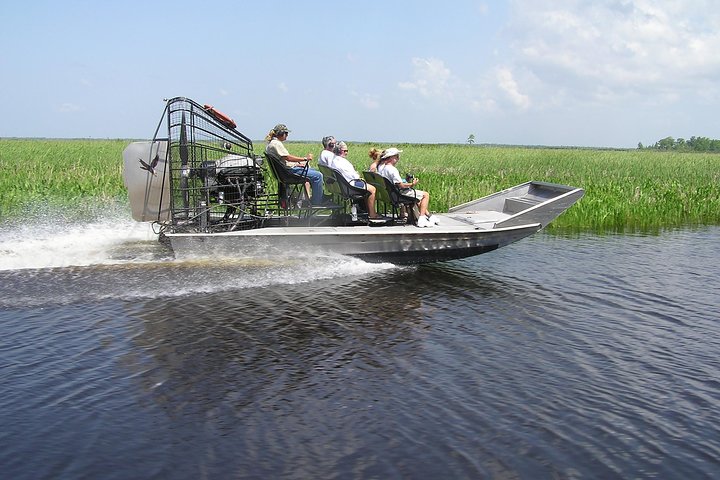
Wildlife Watching in Arabi, Louisiana
Arabi sits at the hinge of urban edge and wild wetland — where levees give way to a ribbon of marsh, cypress strands, and tidal bayous. For wildlife seekers it's a surprising, intimate place to watch herons quarter reedbeds, gators laze in sun-splashed channels, and migrating waterfowl pause on the way between inland refuges and the Gulf. This guide focuses on how to find wildlife from shore, by kayak or small boat, and how to pair observation with local cultural and conservation context.
Top Wildlife Trips in Arabi
17 trips • Book with confidence • Instant confirmation
Why Arabi Is a Standout Wildlife Destination
There’s a particular light that picks out the marsh around Arabi: a low, honeyed glow at dawn that makes the reeds look like the spine of an old map. In those early hours, the delta reveals itself slowly — a world of edges where fresh and brackish water mix, and where species from inland hardwoods rub shoulders with Gulf specialists. Wading birds fan along the shallows with surgical grace, ibises probe for crustaceans beneath mud ripples, and great egrets anchor pictures of stillness against distant barges on the Mississippi. Close to town, the landscape feels immediate; you can watch a kingfisher snap a minnow from a backyard canal and minutes later be in a small skiff threading a narrow bayou where raccoons pad the banks.
Biologically, Arabi is a hinge territory. It’s part of the greater Mississippi River delta system that funnels nutrients and sediment into a mosaic of marsh, swamp, and open water. That mosaic supports a dense food web: tiny crustaceans and grass shrimp draw shorebirds and gulls; submerged aquatic grasses feed wintering ducks; and the intertidal edges host a cast of small fishes that attract the marsh’s signature predators. Because the human footprint is patchy here, wildlife viewing ranges from easily accessible roadside stops—great for families and casual photographers—to quieter, more exploratory paddles and boat trips where the only sound is water slapping the hull and the long, distant call of a sandhill crane.
Cultural layers make the experience richer. The communities of St. Bernard Parish have fished, trapped, and lived alongside these wetlands for generations; the rhythms of shrimp seasons and the memory of storms are part of the landscape’s story. That history is visible in levees, shrimp boats, and the patchwork of restoration projects that try to rebuild the marsh after erosion and saltwater intrusion. As a visitor, watching wildlife here always comes with an awareness of change—both seasonal migrations and long-term shifts driven by sea-level rise and storm impacts. Responsible wildlife watching in Arabi means moving quietly, respecting private properties and working wetlands, and understanding that the best encounters often require patience and timing. Pair visits with a local guide or a community-led tour to contextualize sightings and to access quieter channels without disturbing nesting or feeding animals.
Accessibility: Many sightings are possible from low-impact vantage points—riverfront levees, roadside canals, and public boat launches—making Arabi unusually accessible for coastal birding and marsh observation.
Complementary activities: Wildlife watching pairs naturally with kayak tours, small-boat trips, winter duck and goose viewing, fishing excursions, and photography-focused half-day outings with local experts.
Best Time to Visit
Best Months
Weather Notes
Winters are mild and good for waterfowl; spring and fall migrations bring the highest species diversity. Summers are hot, humid, and mosquito-heavy with frequent afternoon thunderstorms. Hurricane season runs June–November and can disrupt access; always check local advisories.
Peak Season
Fall migration (October–November) and spring migration (March–April) offer the richest mix of resident and transient species.
Off-Season Opportunities
Summer offers chances to see juvenile birds, active reptiles like alligators, and quieter waterways—best tackled early morning to avoid heat and insects.
Frequently Asked Questions
Do I need a permit to access marsh or boat launch areas?
Public boat launches and roadside viewpoints are generally open without special permits. If you plan a guided or private trip onto private waterways or protected refuges, check operator requirements and any refuge-specific rules in advance.
Are guided tours necessary for good wildlife viewing?
No—many species are visible from public edges—but local guides will increase your odds, teach safe, low-impact practices, and provide access to quieter channels not obvious to first-time visitors.
How close can I safely approach wildlife?
Keep a respectful distance: use optics to view closely. Never attempt to feed, touch, or harass animals—especially alligators and nesting birds. If boat-based, avoid sudden approaches and minimize wake near shorelines.
Choose Your Experience Level
Beginner
Easy shore- and roadside-based observation with short walks; suitable for families and first-time birders.
- Levee-side birdwatching at sunrise
- Short canal-side strolls for waders and shorebirds
- Family-friendly boardwalk or picnic zone viewing
Intermediate
Half-day kayak or small-boat outings, moderate paddles through bayous, and focused photography sessions that require basic water skills.
- Guided kayak through a narrow bayou
- Half-day small-boat tour to marsh channels
- Targeted shorebird and wader photo session
Advanced
Longer expeditions requiring navigation of tidal channels, advanced paddling or small-boat handling, and a deeper understanding of tides and species behavior.
- Full-day backbay paddles timed to tidal movement
- Expeditions combining shorebird migration counts and habitat surveys
- Multi-site trips linking riverfronts, marsh edges, and barrier islands (requires planning)
Insider Tips & Local Knowledge
Check tides, dress for mosquitoes and sun, and prioritize quiet observation.
Start at first light for the most active wildlife; low wind and incoming tides concentrate prey and draw birds to the edges. Use polarized lenses to reduce glare on shallow water and bring a tarp or plastic bag for keeping gear dry. Hire a local skiff or kayak guide for access to narrow channels and to learn about safe routes around submerged hazards. Respect private property and working waterfronts—ask before stepping onto docks or piers. During summer, plan outings for early morning and bring strong insect repellent and long sleeves. Finally, keep an eye on local weather and hurricane alerts: strong storms change channels and temporarily alter wildlife patterns, but they also reveal coastal processes that are central to the region’s story.
What to Bring
Essential
- Binoculars (8x–10x) and a small field guide or app
- Light rain shell and quick-dry layers for humidity and sudden storms
- Insect repellent and sunscreen
- Water, snacks, and a waterproof bag for electronics
- Hat and polarized sunglasses for glare on water
Recommended
- Camera with telephoto lens or a compact spotting scope
- Waterproof footwear or shoes that can get wet for shoreline access
- Small first-aid kit and any necessary medications
- Compact towel and change of clothes if paddling
Optional
- Waders for guided marsh walks (when permitted)
- Notebook for species lists and field notes
- Portable power bank for phones and cameras
Ready for Your Wildlife Adventure?
Browse 17 verified trips in Arabi with instant booking
Explore Top 15 Arabi, Louisiana Adventures →