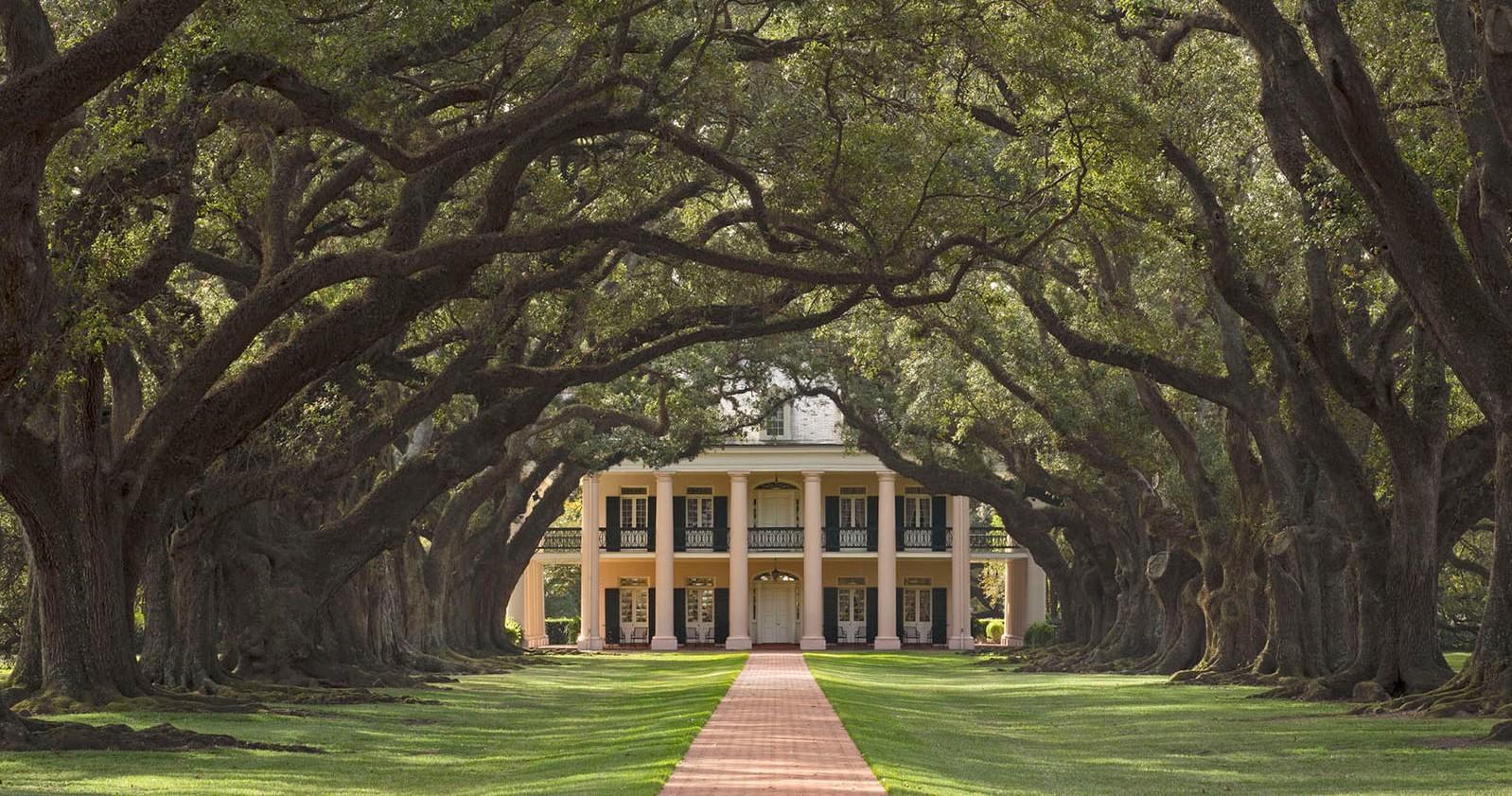
Arabi is an invitation to slow down. The town sits in the sedimentary interlace of river, marsh, and settlement—an ordinary place that quietly records extraordinary layers of history. Walking here is less about conquering distance and more about collecting details: the turned columns of a raised Creole cottage, a hand-lettered sign for a neighborhood seafood spot, the pulse of long driveways that end at levees where the Mississippi moves like a living thing. On foot, you can feel the geography that shaped lives and livelihoods—the levee's bulky protection, the marsh's fringe of grasses, the long, low houses built to breathe in the humid air.
Each route in Arabi compresses time. A short loop can take you from early-20th-century shotgun rows to the monumented fields of the nearby Chalmette Battlefield, where the land remembers the distant thunder of artillery and the international reverberations of a young nation. On other walks you’ll pass churches and corner stores where generations have gathered, and you’ll notice the way porches and stoops organize social life here—places for conversation, for mending nets, for watching the riverise. The town’s scale rewards curiosity; a single street can hold architectural variety and a dozen micro-stories about migration, industry, and resilience.
Walking tours in Arabi are also practical adventures. They are accessible for travelers who want history without long drives, for photographers who prefer low light under live oaks, and for food-focused visitors who want to stumble into neighborhood joints where po'boys and fresh seafood are still done by hand. They pair naturally with half-day explorations of nearby wetlands, bicycle loops on quiet roads, or a guided history tour at Chalmette. The climate governs the rhythm of these walks—mornings and late afternoons are comfortable for most months, while midsummer asks for shade and a deliberate, slower pace. But that slow pace is part of the point: walking here is a way to decode a place where landscape and culture are braided together, and where the act of moving on foot reveals textures that faster travel misses.
Walking in Arabi centers on compact, layered experiences: architecture and vernacular landscapes, neighborhood food culture, and proximity to nationally significant historic sites like Chalmette Battlefield.
Routes are generally flat and urban-adjacent, making them accessible to a wide range of fitness levels, but heat, humidity, and summer storms are important practical considerations.
The harbor is the gateway, and the Pacific becomes the classroom.
Walking tours are easy to combine with related activities—riverfront sunset strolls, nearby swamp or airboat excursions, and culinary stops for seafood and Creole specialties.
Choose by purpose
Whale watching, snorkeling, sunset sailing, cultural canoeing, harbor sightseeing, or private chartering.
Start near the city
Waikiki and Honolulu Harbor are primary hubs, with some trips launching near Hanauma Bay.
Confirm the vessel
Gangways, shaded seating, and boarding requirements vary according to vessel size and operator.