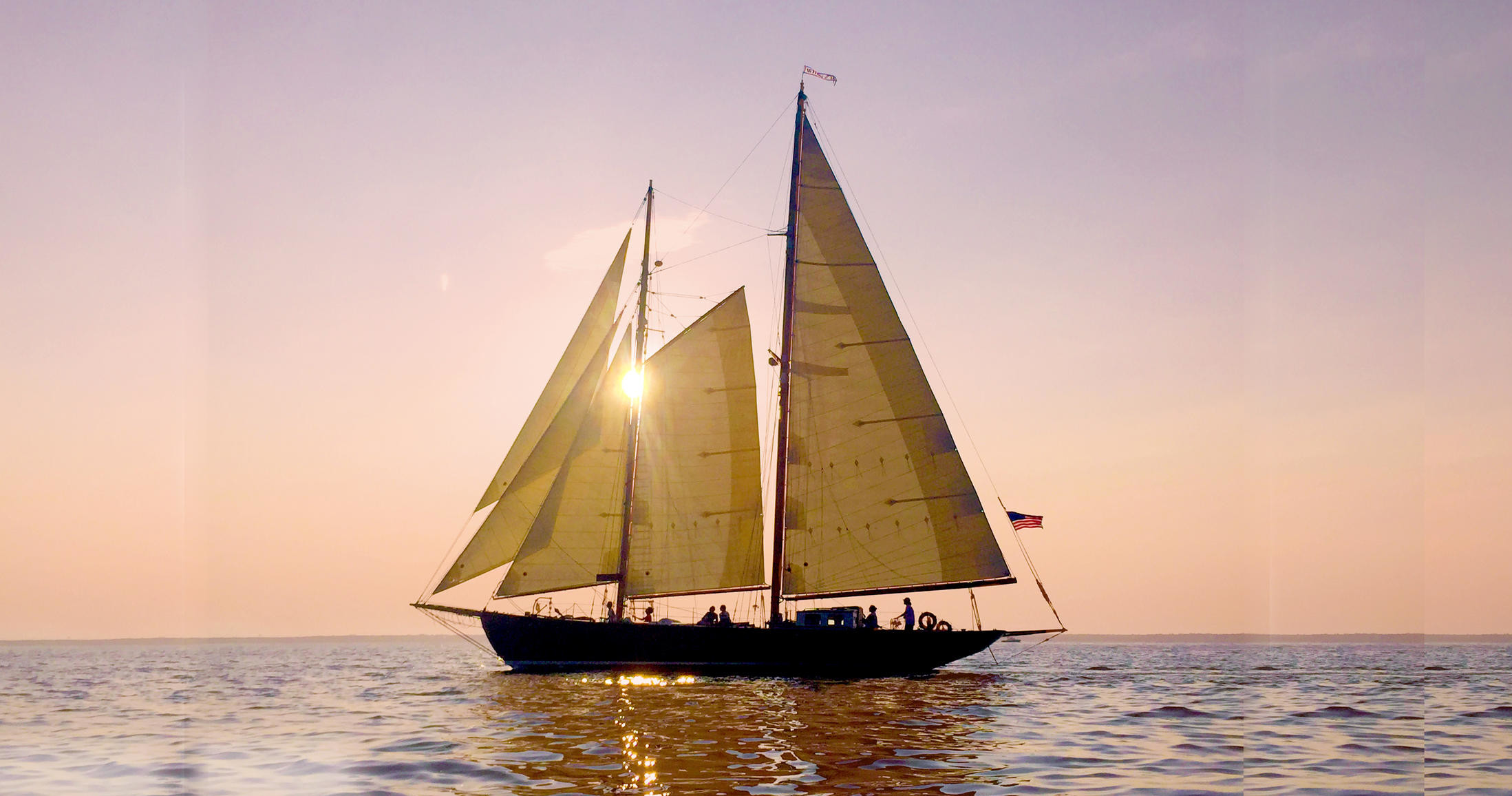
Why Sailing from Andover Works — Practical Access, Rich Variety
At first glance Andover might not read like a classic sailing town: it’s an inland community with historic mills, tree-lined streets, and neighborhoods that feel a step removed from the open sea. That distance is the point. Andover’s location turns it into an agile basecamp for sailors who want variety—quiet river time to master points of sail, sheltered pond sessions to learn boat handling, and quick drives to the classic coastal harbors where tides, currents, and sea-breezes make true sailing. Instead of a single harbor culture, the sailing experience here is relational: you learn skills locally, then translate them into coastal conditions a short ride away.
The Merrimack River and a scattering of ponds near town give beginners a forgiving arena. Protected water, minimal swell, and predictable wind patterns on many afternoons provide ideal conditions for lesson programs, club racing, and family daysailing. For sailors seeking more, the drive to Marblehead, Salem, and the greater Boston Harbor opens a menu of coastal cruising, regattas, and charter options. These nearby ports are steeped in New England maritime history—cobblestone wharves, working fisheries, and schooners at anchor—so a single trip can blend hands-on seamanship with shoreline exploration.
Seasonality shapes the local sailing calendar. Late spring through early fall is when most organized programs run, harbor services operate, and charter fleets are active. Summer brings steady sea breezes and the busiest weeks for day sails and instruction. Shoulder seasons offer quieter conditions and off-peak pricing, but also more variable winds and cooler water temperatures—factors to weigh when planning. Environmentally, the region is a mosaic of tidal estuaries, riverine woodlands, and suburban waterfronts; responsible boating practices—respecting no-wake zones, observing wildlife, and minimizing chemical runoff—keep these systems healthy for future sailors.
Finally, Andover’s sailing appeal is practical and social. Community sailing clubs and schools draw families and learners; local marinas and charter operators provide access without the expense of boat ownership; and nearby terrain supports complementary outdoor time—sea kayaking in a coastal cove, walking harborfront promenades, or biking to a launch. Whether your aim is a calm introduction to steering a dinghy, joining a weekend coastal cruise, or crewing on an evening race, Andover functions as the kind of low-friction staging ground that makes frequent, varied sailing trips achievable.
Local learning pathways: many sailors start at inland ponds or river reaches before stepping up to coastal conditions; the progression is practical and fast when training is consistent.
Diverse day trips: sheltered morning sails for practice and afternoon coastal runs for challenge coexist within short drives of town, allowing mixed itineraries in a single weekend.
The harbor is the gateway, and the Pacific becomes the classroom.
Cultural crossover: nearby harbor towns offer maritime museums, seafood wharves, and historic waterfront districts—easy add-ons to any sailing day.
Choose by purpose
Whale watching, snorkeling, sunset sailing, cultural canoeing, harbor sightseeing, or private chartering.
Start near the city
Waikiki and Honolulu Harbor are primary hubs, with some trips launching near Hanauma Bay.
Confirm the vessel
Gangways, shaded seating, and boarding requirements vary according to vessel size and operator.