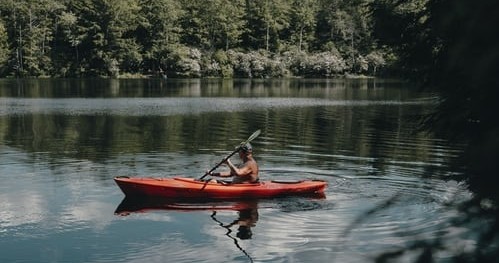
Top 14 Kayak Adventures in Amagansett, New York
Amagansett’s mosaic of sheltered bays, tidal creeks, and open Atlantic fringes makes it a uniquely versatile paddling ground—one moment you’re threading a glassy estuary surrounded by salt marsh and shorebirds, the next you’re skimming toward a wind-carved shoreline that smells of pine and salt.
Top Kayak Trips in Amagansett
14 trips • Book with confidence • Instant confirmation
Why Amagansett Is a Standout Kayak Destination
Amagansett is a study in coastal contrasts, and that contrast is what makes it so magnetic to paddlers. Tucked on the eastern shore of Long Island, the town sits at a meeting point where the open Atlantic breathes into long, shallow bays and where wind, tide, and cold-water currents sculpt a shoreline of beaches, dunes, and sheltered creeks. For a kayaker that variety translates to endless micro-adventures: early-morning estuary laps through glass-still channels; midday crossings out to bluffs and exposed beaches with a watchful eye on the swell; calm, low-tide explorations of oyster-rich flats alive with foraging birds.
The local geography favors both micro-escapes and longer coastal thinking. On a single outing you can practice delicate edging and shallow-water navigation through salt marsh channels—where scraping up on a soft mudflat is part of the learning curve—and then push farther to a wind-broken promontory where ocean fetch builds small, surfable waves. That malleability makes Amagansett appealing to a wide range of paddlers: families and beginners can find forgiving bays and protected launch points, while experienced sea kayakers and surf-ski enthusiasts will appreciate the tidal runs, exposed crossings, and the challenge of wind-formed seas on the Atlantic flank.
But the place is more than water and weather. Kayaking here is a way to read a landscape: mapping shellfish beds by the tracks of birds; watching commercial boats work the channels, a reminder of a working coast; or sliding along a dune-backed shoreline where the same winds that shape the waves also feed a pocket of maritime history. Paddlers will notice layers of human and natural story—seasonal shorebird congregations, seals hauling out quietly on isolated shoals, and seasonal fisherman’s activity—that reward slow travel and attentive eyes. Good planning is the constant companion here: tides rearrange channels, afternoon sea breezes can stiffen into a brisk cross-current, and visual navigation along low, sandy coasts requires an ability to translate subtle landform cues into safe lines. In short, Amagansett offers a paddling curriculum—shelter to practice skills, open water to test them, and a coastline that always teaches you something new.
Variety is the draw: sheltered tidal creeks and broad, shallow bays for calm paddling, plus exposed Atlantic edges that create surfable conditions and tidal runs for experienced paddlers.
Wildlife and seasonal rhythms shape the experience—spring and fall migrations pack the skies and marshes with birds, summer brings warm water and boat traffic, and colder months reveal seal haul-outs and stark coastal light.
Access is local and layered: town beaches and public launches provide easy entry points, while guided outfitters and rental shops connect visitors with safe, guided routes and gear.
Best Time to Visit
Best Months
Weather Notes
Late spring and early fall provide the most comfortable paddling temperatures and calmer winds. Summer is warm but busier and can bring strong midday sea breezes; always check the forecast for wind and swell. Water temperatures remain cool outside of peak summer—consider thermal protection for shoulder-season outings.
Peak Season
July–August (highest visitation and busiest launch points)
Off-Season Opportunities
Late fall and winter offer solitude and seal sightings for experienced paddlers who are comfortable with colder water and variable weather; guided trips or strong self-rescue skills are recommended.
Frequently Asked Questions
Do I need a permit to kayak in Amagansett?
Most public launches and town beaches allow non-motorized craft without a permit, but private-landing areas and some preserves may have access rules. Check local town websites and outfitters for site-specific restrictions.
How do tides affect paddling routes?
Tides change channel depths and can expose or submerge shoals and oyster beds—plan around tide charts to avoid getting stuck in shallow flats and to time favorable currents for crossings.
Are there rental shops or guided trips available?
Yes—seasonal rental shops and guides in the area offer kayaks, safety equipment, and guided estuary or coastal tours that are especially useful for visitors unfamiliar with local tides and wind patterns.
Choose Your Experience Level
Beginner
Protected bays and inner estuary loops with short, sheltered crossings ideal for first-time paddlers or families.
- Short sheltered bay loop
- Tidally calm creek exploration
- Guided intro tour with rental gear
Intermediate
Longer crossings, tidal-assist routes, and paddleouts along open shoreline where wind and boat traffic require navigational awareness.
- Point-to-point bay crossing timed with favorable tide
- Coastal shoreline paddle with mild swell
- Wildlife-focused paddle during migration windows
Advanced
Open-ocean runs, surf-zone entries/exits, and trips requiring current planning, strong self-rescue skills, and experience reading weather and sea state.
- Exposed Atlantic crossing to nearby headlands
- Tidal-run navigation through constricted channel
- Surf-surfacing practice and dynamic re-entry drills
Insider Tips & Local Knowledge
Always check tide charts, wind forecasts, and local launch access before heading out. When in doubt, opt for a guided trip.
Time your outings around the tide for easier launches and safer crossings—many paddlers aim for a rising or falling tide that supports their intended direction. Morning windows before the daily sea breeze build often provide the calmest conditions. Keep a conservative margin from exposed shoals and oyster beds; they’re easy to misjudge from the water. Respect wildlife and nesting areas—shorebird rookeries and seal haul-outs are sensitive to disturbance, especially in spring. If you plan to paddle in the shoulder seasons, bring thermal protection and a robust self-rescue plan. Finally, speak with a local outfitter on your first visit: their route knowledge and tide timing will save you time and prevent common mistakes.
What to Bring
Essential
- Personal flotation device (PFD) properly fitted
- Spray skirt or splash top for exposed water (if using sit-inside kayak)
- Waterproof map or navigation app and tidal chart
- Hat, sunscreen, and UV-protective clothing
- Dry bag with spare layers and phone in waterproof case
Recommended
- Light neoprene or quick-dry layers (temps can drop on the water)
- Whistle and small signaling mirror
- Paddle leash in choppy or surf zones
- Basic repair kit and paddle float for self-rescue
- Small first-aid kit and freshwater to rinse gear
Optional
- Binoculars for birding
- Waterproof camera or GoPro
- Inflatable tow float or visibility flag for added safety
- Wetsuit or drysuit for shoulder-season outings
Ready for Your Kayak Adventure?
Browse 14 verified trips in Amagansett with instant booking
Explore Top 15 Amagansett, New York Adventures →