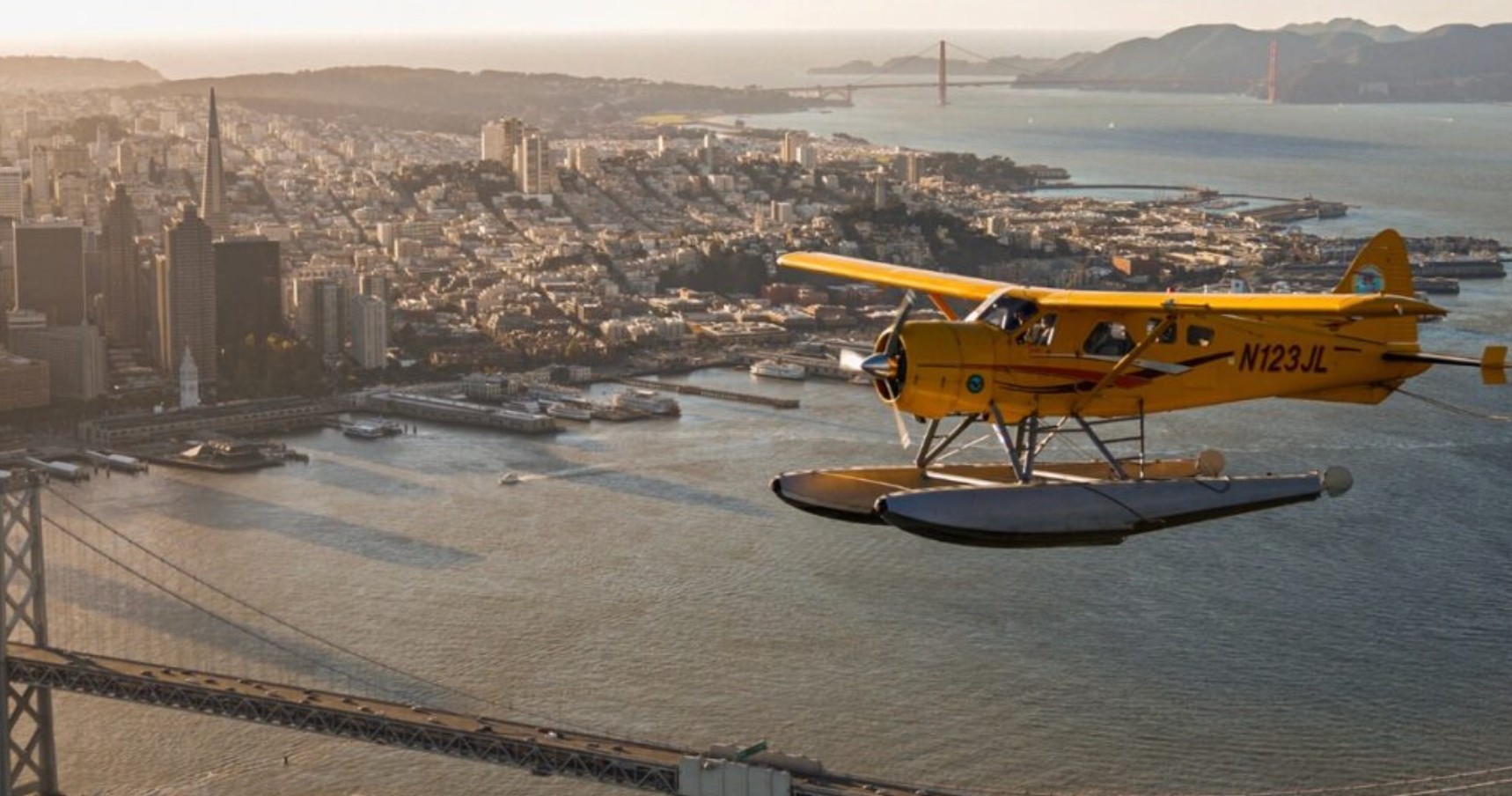
Why Alamo Is a Compelling Base for Airplane Adventures
Alamo sits at the edge of a stitched landscape—suburban lanes give way to oak-studded ridgelines, vineyards, and the durable prominence of Mount Diablo. From the air, that stitch becomes a pattern: patchwork vineyards, highway ribbons, the jagged coastline of the Bay, and the grid of urban centers that speak to Northern California’s layered growth. For flyers and would-be pilots, Alamo’s advantage is less about having an airport in town and more about geography. Close proximity to multiple general aviation fields and a short drive to larger hubs makes it an ideal launch point for airplane-based activities that range from introductory discovery flights to serious cross-country training.
Flying in this pocket of the East Bay privileges clarity of view. On clear mornings you can trace the spine of the Diablo Range, identify the muted terraces of Napa across the valley, and watch the sparkle of the Bay fold into the horizon. Seasonal lighting—soft gold in autumn, crisp clarity in winter, long, saturated days in summer—changes the character of that view and determines whether a scenic flight is a spectacle of color or a lesson in distant linework. Practicality meets romance here: flight lessons use quiet airspace and predictable patterns; scenic flights emphasize low-altitude route planning and photographic windows; vintage or specialized airplane experiences highlight the tactile romance of older cockpits and the slow reveal of the landscape beneath.
Beyond aesthetics, airplane activities around Alamo are a practical complement to other outdoor pursuits. A morning discovery flight can show hikers the ridgelines they’ll tackle on a Diablo summit attempt, letting them identify approach trails and exposure points before setting foot on the slope. Wine-country aerial tours create itinerary cues for afternoon tastings; photographers and drone operators use small-plane sorties as scouting runs. For families and curious travelers, a short “first flight” is an accessible way to taste aviation without committing to training hours. For aspiring pilots, the region’s airfields provide a natural sequence of experiences: dual instruction, solo cross-country legs across the valley, and eventual check rides that solidify skills learned in the pattern.
Environmental and safety context is part of the story. Bay Area airspace is a tapestry of commercial corridors and protected zones—pilots and operators emphasize briefings that explain controlled-airspace boundaries, noise-sensitive areas, and wildlife considerations beneath established routes. Weather considerations—morning fog hugging the lower elevations, afternoon thermals, and seasonal visibility—shift how flights are scheduled. Responsible operators and flight schools also prioritize community awareness: mindful routing to minimize noise over residential neighborhoods, adherence to wildlife disturbance guidelines near sensitive tracts, and transparent communication about conditions that may alter or cancel flights.
In short, Alamo is less an airport town than a thoughtful staging ground: the landscape and local infrastructure create an environment where airplane experiences are both intoxicatingly scenic and practically oriented toward training, scouting, and multi-activity itineraries. Whether you’re climbing into a two-seat trainer for a first discovery flight, booking a photo-focused aerial tour, or planning a series of lessons that culminate in your pilot ticket, the flights out of this part of the East Bay deliver a precise combination of accessibility, variety, and perspective.
Short discovery flights are ideal for non-flyers: they provide big views with minimal time commitment and pair well with nearby hiking or wine-tasting in the same afternoon.
Flight training benefits from nearby airfields and varied airspace: students can practice pattern work, short cross-country hops, and bay-area navigation without long ferry times.
The harbor is the gateway, and the Pacific becomes the classroom.
Aerial tours and photo flights are season-dependent; morning light and late-afternoon windows are best for landscape photography, while winter often brings the best visibility for distant skyline shots.
Choose by purpose
Whale watching, snorkeling, sunset sailing, cultural canoeing, harbor sightseeing, or private chartering.
Start near the city
Waikiki and Honolulu Harbor are primary hubs, with some trips launching near Hanauma Bay.
Confirm the vessel
Gangways, shaded seating, and boarding requirements vary according to vessel size and operator.