Airplane Adventures in Alameda, California
Alameda Airplane Guide

Airplane Adventures in Alameda, California

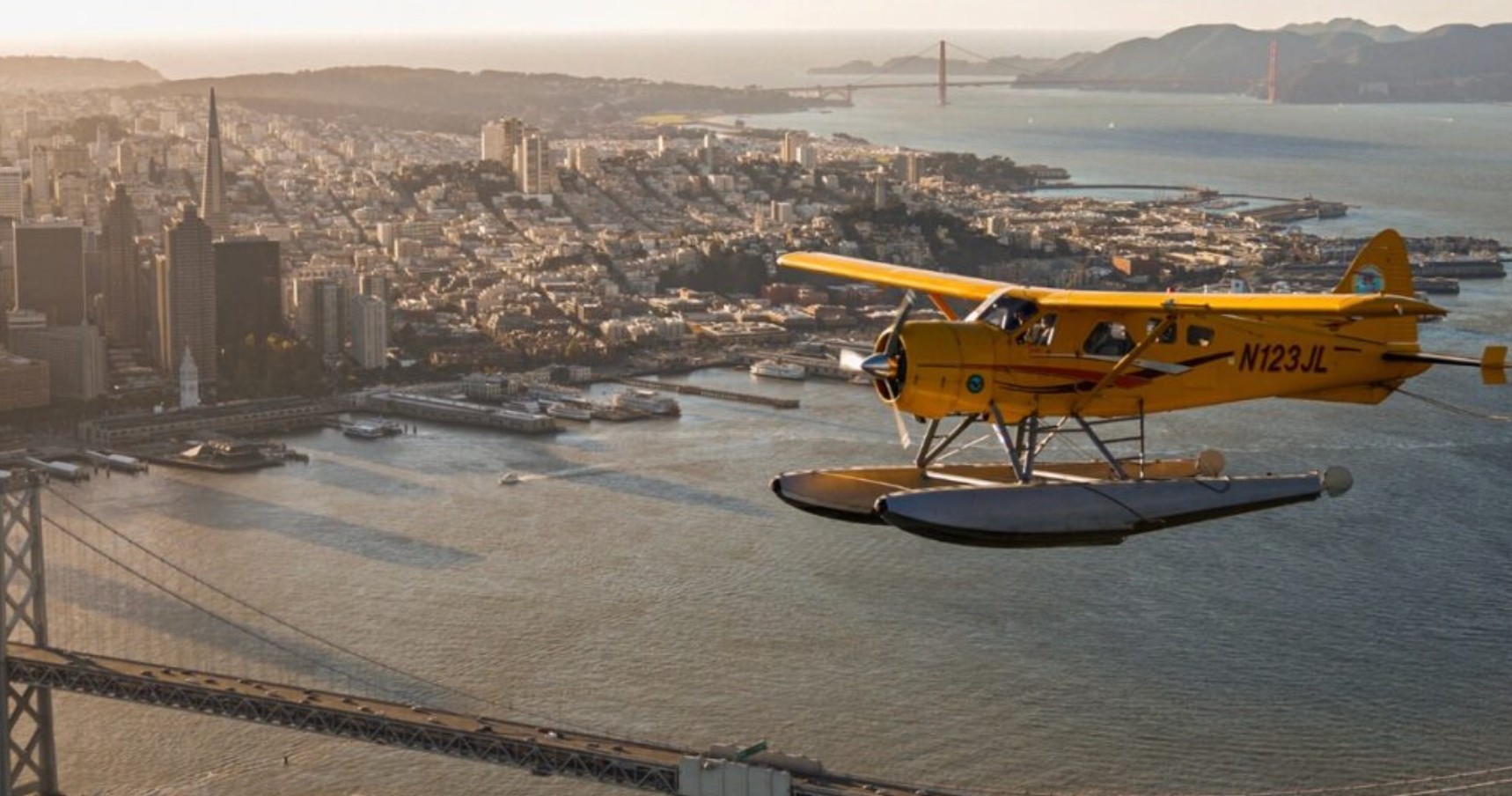
Alameda sits on the edge of San Francisco Bay where runway echoes and seaplane ripples intersect with naval history. For travelers drawn skyward—whether as passengers on scenic flights, aspiring pilots taking lessons, or history buffs exploring aircraft museums and repurposed hangars—Alameda is a compact launchpad to aerial experiences. From low, sweeping passes over the bay to instructional flights that teach you how lift and trim translate into a lived sensation, airplane adventures here combine technical choreography with the soft atmospherics of coastal weather and open water takeoffs.

Bay Area Aerial ViewsNaval Air Station HistorySeaplane & Flightseeing

Live destination inventory

Top Airplane Trips in Alameda

18 trips · Book with confidence · Instant confirmation

The prototype intentionally does not invent replacement trip cards or add images that are not already part of the live source page.

The city from the water

Why Alameda Is a Unique Place for Airplane Experiences

Alameda’s shoreline, its connection to a decommissioned naval air station, and proximity to San Francisco’s congested but scenic airspace give it a rare mix of practical access and cinematic vistas. Aviation here is as much about place as it is about altitude: you feel the city’s maritime history in the smell of salt and aviation fuel, the grid of old hangars now repurposed for restoration projects, and the long slabs of concrete that once supported carrier-bound aircraft. That history makes the present-day airplane experiences more tangible—flight lessons take place where sailors and aviators once trained; seaplane operators draw a direct line between water-borne takeoffs and the tides that shape the bay’s light. For visitors, Alameda is a comfortable entry point to Bay Area aerial touring. Short scenic flights reveal the region’s defining contrasts—Industrial piers and refineries give way to protected wetlands, the Golden Gate appears as a delicate span from above, and distant urban cores compress into tidy blocks. Instructional flights and discovery lessons convert those views into a curriculum: you learn to parse landmarks, manage radio calls, and feel how small control inputs change an aircraft’s attitude. Because many airplane activities here are short—an introductory flight, an aerobatic demonstration, a seaplane hop—they fit neatly into a travel day that also includes biking the island, visiting maritime museums, or paddling the lagoon.

Short scenic flights maximize payoff: 20–60 minute sorties over the bay and city skyline deliver big views in a brief package, perfect for travelers with limited time.

Alameda’s aviation infrastructure—runways, ramps, and water access—supports a range of experiences from flight training to seaplane tours and static aircraft exhibits.

The harbor is the gateway, and the Pacific becomes the classroom.

Weather and airspace are key players: fog, thermal activity, and Bay Area flight restrictions shape scheduling and what you’ll actually see from the air.

Activity focus

Choose by purpose

Whale watching, snorkeling, sunset sailing, cultural canoeing, harbor sightseeing, or private chartering.

Departure hubs

Start near the city

Waikiki and Honolulu Harbor are primary hubs, with some trips launching near Hanauma Bay.

Accessibility

Confirm the vessel

Gangways, shaded seating, and boarding requirements vary according to vessel size and operator.

Seasonal planning

Best Time to Visit

Alameda is warm year-round, but wind, swell, migration, visibility, and demand change the best match between traveler and trip.

Alameda boat tour
Year-round destination

Seasonal highlights change the reason to go

Winter favors humpback encounters; warmer, calmer months favor snorkeling visibility and smoother water.

Humpback season

Late spring through early fall, when visibility is generally best and operators schedule the most flights.

Prime whale watching, winter holidays, higher demand, and earlier sell-outs.

Snorkeling window

May–June–September–October

Typically gentler seas and clearer water for snorkeling trips.

Weather notes

Trade winds year-round

Coastal microclimates dominate: mornings often bring low marine layer and cooler temperatures, with clearer conditions in late morning and afternoon. Golden-hour flights—early morning and late afternoon—offer dramatic light but can be more susceptible to fog or low ceilings.

Quieter opportunities

Late spring & summer weekdays

Winter months may offer clearer air on some days and fewer crowds; however, flights can be canceled more often for low ceilings, wind, or rain.

Match the trip to your comfort

Choose Your Experience Level

Low effort

Beginner

Short, guided scenic flights and discovery lessons designed for first-time flyers and non-pilots. Focus is on sightseeing and a gentle introduction to cockpit basics.

  • 30–45 minute bay scenic flight
  • Introductory discovery flight with dual controls
  • Seaplane hop over the shoreline and wetlands
Active day trip

Intermediate

Extended flightseeing, coastal navigation practice, and early flight training sessions that introduce radio communications, basic maneuvers, and local traffic patterns.

  • Cross-bay scenic routes including city skyline passes
  • Dual instructional flights covering takeoffs, landings, and basic navigation
  • Photography-focused flights timed for golden hour
Longer or technical

Advanced

Advanced training, complex-airspace endorsements, and specialized experiences such as tailwheel instruction, aerobatics, or seaplane ratings for certified pilots.

  • Seaplane rating lessons (for pilots seeking certification)
  • Tailwheel or complex aircraft transition training
  • Advanced cross-country flights integrating Bay Area airspace

Prepare for sun, spray, and swell

What to Bring

Essential

Core kit

  • Government-issued photo ID (required for most flight operations)
  • Layered clothing—coastal mornings can be cool, afternoons warmer
  • Sunscreen and sunglasses for glare at altitude and on water
  • A charged camera or phone (with secure strap) for handheld views
  • Comfortable shoes—you may board from ramps or docks
Recommended

Useful extras

  • Light windbreaker for open-cockpit or seaplane ramps
  • Ear protection if you are noise-sensitive or for small aircraft
  • A small daypack for personal items while traveling to and from the airstrip
  • Motion-sickness remedies if you’re prone to airsickness
Optional

Trip-specific

  • Binoculars for pre-flight shoreline spotting
  • Notebook for pilot training notes or log entries
  • Compact umbrella or rain layer for transfer on damp days
Airplane activities are highly weather- and airspace-dependent—flexibility and advance communication with operators are your best tools.

Insider Tips & Local Knowledge

Reserve whale-watching and popular sunset cruises well ahead during December–April.
Choose morning snorkeling departures for calmer seas and better underwater visibility.
For motion sensitivity, choose a larger vessel, sit mid-ship, and take preventative medication before boarding.
Do not touch coral or wildlife, avoid standing on reefs, and use reef-safe sunscreen.
Community-based operators may add context about traditional navigation and stewardship.
Arrive early for parking and check-in because Waikiki departure areas can be busy.

Planning questions

Frequently Asked Questions

Passengers should bring a government-issued photo ID. Operators will advise on any additional check-in requirements at booking.
Airplane Adventures in Alameda, California
Ready for your airplane adventure?

Browse 18 verified trips in Alameda.

Compare current availability and book with instant confirmation.

Explore Alameda airplane