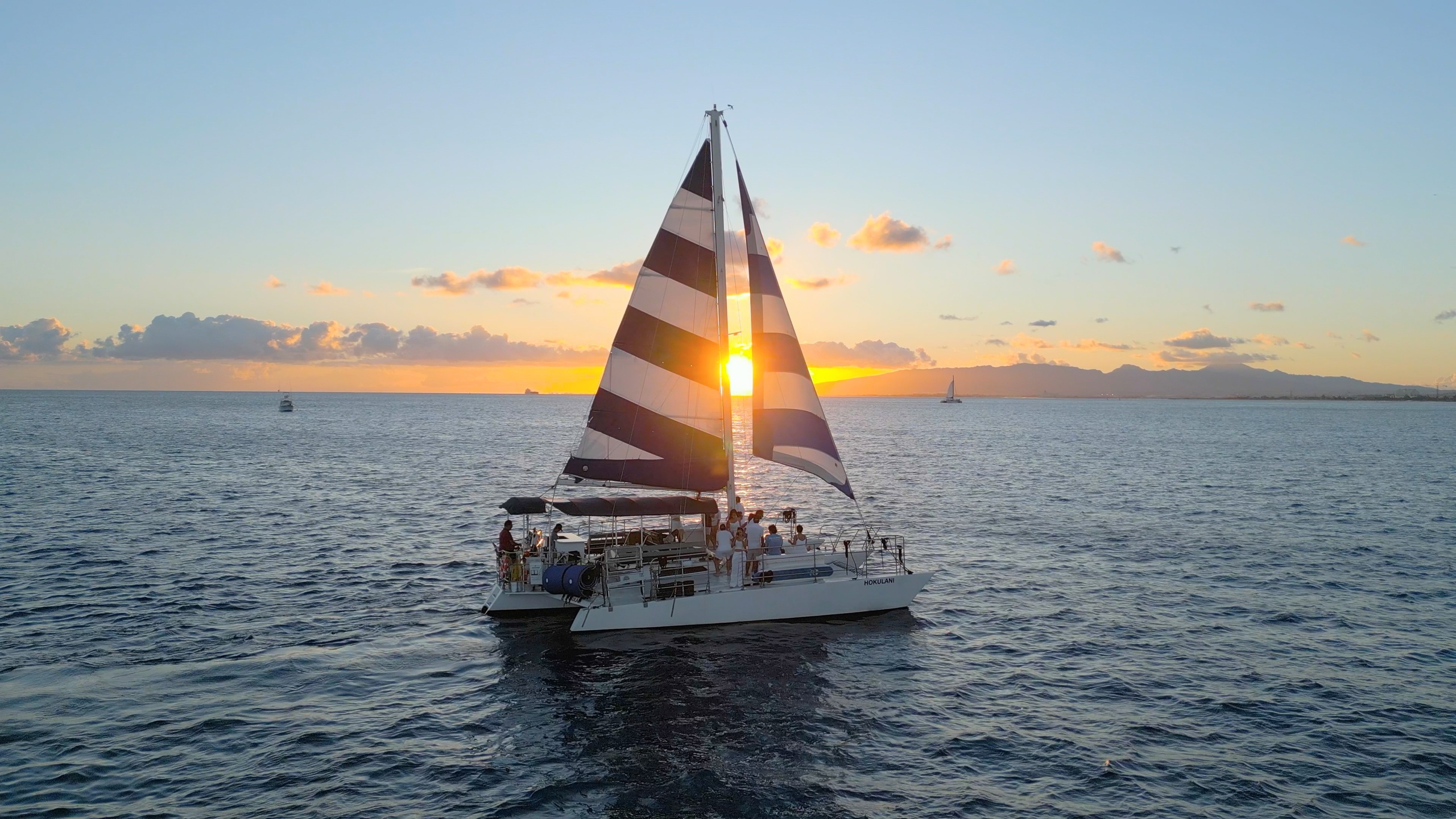
Sailing in Aiea, Hawaii: Harbor Voyages & Coastal Passageways
Aiea sits on the gentle shores of central Oʻahu, positioned as a quietly practical launch point for a range of sailing experiences—protected harbor jaunts, trade-wind downwind runs, and coastal explorations that reveal Oʻahu’s layered coastline. From easy sunset sails in calm waters to day trips that chase dolphins and reef drops, sailing around Aiea balances accessible on-water time with dramatic island scenery and deep cultural context.
Top Sailing Trips in Aiea
95 trips • Book with confidence • Instant confirmation
Why Aiea Is a Smart Base for Sailing on Oʻahu
Aiea’s proximity to protected waterways and major harbors makes it a quietly strategic base for sailors of many stripes. The town itself sits inland from the open ocean but opens onto a network of maritime approaches and sheltered anchorages that have long been part of local life—traditional canoe routes, commercial shipping lanes, and recreational harbors all converge within easy reach. For visiting sailors, that variety is the asset: you can plan a calm, confidence-building morning in protected conditions and pivot to a more adventurous coastal leg in the afternoon when the trade winds shift in and the sea takes on its classic Pacific profile.
The charmed trick of sailing from Aiea is its juxtaposition of shelter and access. Pearl Harbor and nearby marinas form natural classrooms where novices can practice points of sail, docking, and VHF communication without committing to an offshore passage. At the same time, the entire southern and eastern fringe of Oʻahu is within day-sailing range for experienced skippers who want to run along the coastline, skim the reef edges, or cross to adjacent islands on an overnight. The island’s topography—low coastal plains rising into volcanic ridgelines—creates consistent trade winds and predictable swell patterns through much of the year, which helps with trip planning and makes for enjoyable downwind runs.
Culturally and historically, sailing here is never just about wind and water. Oʻahu is a place with a deep voyaging heritage; modern sails trace routes that Hawaiians navigated for centuries by stars, swell, and shore whispers. Many operators and local sailors are rooted in that continuity, blending practical seamanship with stewardship of the sea. That translates into an emphasis on marine conservation—reef-safe sunscreen, careful anchoring, and protections for wildlife encounters—which is part of the on-water etiquette you’ll encounter. The marine environment around Aiea is diverse: calm lagoon patches give way to living coral, reef drop-offs, and clear channels where spinner dolphins and seabirds patrol. Visibility can be excellent on calm days, rewarding snorkel stops after a morning sail.
Logistics are straightforward. Aiea is a short drive from Honolulu’s services and provisioning, meaning fuel, spare parts, and last-minute supplies are rarely far away. Most charter and tour operators run flexible half-day, sunset, and full-day itineraries, and many offer skipper-led options for visitors without extensive experience. If you’re planning to skipper a bareboat charter, expect a check-out or demonstration sail from the company; if you want to level up on navigation, local schools and private instructors offer coastal navigation, anchoring, and safety courses. Ultimately, whether you’re seeking a relaxed harbor cruise with family, a fast-paced beam reach along the south shore, or a thoughtful multi-day cruise that connects island coves, Aiea’s sailing scene is practical, scenic, and rooted in clear maritime traditions.
Protected harbors near Aiea make it an excellent place for learners and families; sheltered waters reduce chop and simplify maneuvers like docking and anchoring.
For seasoned sailors, the nearby open-coast legs offer consistent trade winds and exposed passages to neighboring islands, providing classic Pacific sailing conditions.
Local operators emphasize marine stewardship; expect reminders about reef-safe sunscreen, responsible anchoring, and respectful wildlife viewing.
Best Time to Visit
Best Months
Weather Notes
Trade winds are most consistent from late spring through early fall, producing steady afternoon breezes that make day sailing predictable and enjoyable. Winter months bring larger swell on exposed coasts and more variable wind directions; these conditions are scenic but can increase chop and offshore swell.
Peak Season
Summer months and holiday weekends see higher demand for charters and sunset cruises.
Off-Season Opportunities
Winter offers fewer crowds and dramatic coastal swell for experienced sailors; midweek off-season days can be quieter for harbor practice and private trips.
Frequently Asked Questions
Do I need sailing certification to charter a boat near Aiea?
It depends on the charter type. Skippered charters require no certification for passengers, while bareboat charters usually require prior experience and a check-out sail by the company. Many companies will accept documented sailing experience or perform a skills assessment.
Are there restrictions on anchoring or visiting certain reefs?
Yes. Parts of Oʻahu’s reef and marine areas are protected; operators typically anchor in sandy-bottomed areas and follow no-anchoring zones. Follow local guidance to protect coral and marine life.
What should I do if seasickness hits during a sail?
Move to fresh air on deck, focus on the horizon, stay hydrated, and use over-the-counter remedies or patches. Communicate with your crew or skipper—many runs can be adjusted to calmer routes if conditions allow.
Choose Your Experience Level
Beginner
Short harbor sails, tranquil sunset cruises, and skipper-led lessons that focus on basic boat handling, safety, and seamanship in protected waters.
- Half-day harbor sailing lesson
- Sunset or dinner cruise from a nearby marina
- Introductory hands-on sail with a professional skipper
Intermediate
Coastal day sails along Oʻahu’s south shore, navigational practice with currents and wind shifts, and multi-stop trips that include reef snorkeling and wildlife viewing.
- Full-day coastal sail with snorkel stops
- Comfortable downwind runs using trade winds
- Skippered coastal navigation with hands-on helming
Advanced
Overnight passages, island-to-island legs, and more technical blue-water sailing requiring passage planning, watch systems, and advanced seamanship.
- Overnight passage to neighboring islands (weather and permissions permitting)
- Offshore training passages and advanced navigation clinics
- Performance sailing and delivery opportunities
Insider Tips & Local Knowledge
Check tides, VHF channels, and local harbor advisories before departure. Respect marine protected areas and follow skipper or operator instructions for anchor placement and wildlife interactions.
Start planning with wind and weather forecasts the day before your trip; trade winds are often light in the morning and build into the afternoon, which affects route choice. If you’re new to the area, book a skipper-led charter for your first sail to learn local currents and safe anchoring spots. Pack reef-safe sunscreen and cover your electronics—spray and sun are the two most common hazards. For wildlife viewing, early morning and late afternoon can be most productive; dolphins often ride bow waves, and seabirds concentrate near productive reef edges. Finally, support operators that practice good stewardship—those companies typically brief passengers on reef protection and minimize anchoring on coral.
What to Bring
Essential
- USCG-approved life jacket (operator-provided on charters if required)
- Non-marking, non-slip deck shoes
- Reef-safe sunscreen and sun protection (hat, sunglasses)
- Windproof layer and light rain shell
- Waterproof dry bag for valuables and electronics
Recommended
- Sea sickness medication or patches if you’re prone to motion sickness
- Reusable water bottle and high-energy snacks
- Waterproof camera or action camera for marine life and reef stops
- Basic personal first-aid items and blister care
- Phone or device with offline maps and local emergency contacts
Optional
- Snorkel gear for on-water stops (many charters provide this)
- Light utility gloves for handling lines
- Compact binoculars for spotting marine life
- Small tackle box or reef-friendly fishing gear where permitted
Ready for Your Sailing Adventure?
Browse 95 verified trips in Aiea with instant booking
Explore Top 15 Aiea, Hawaii Adventures →