About this landmark
Vibrant Wilderness at Taï National Park, Côte d'Ivoire
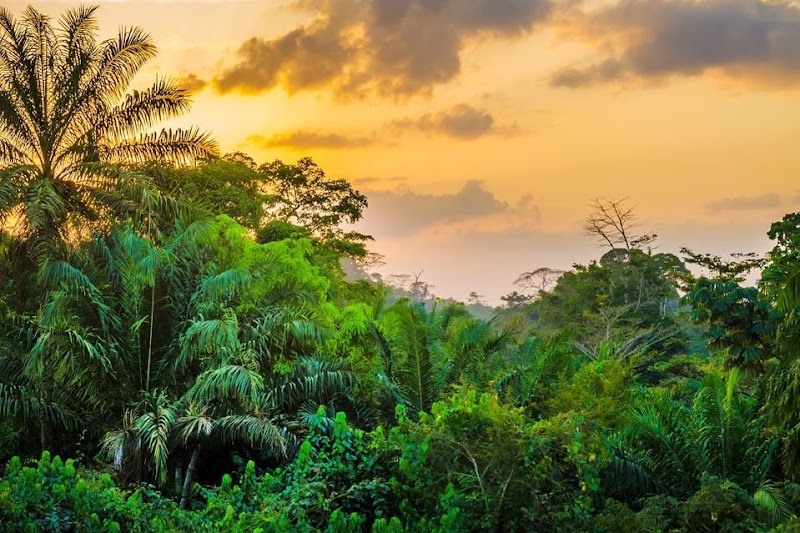
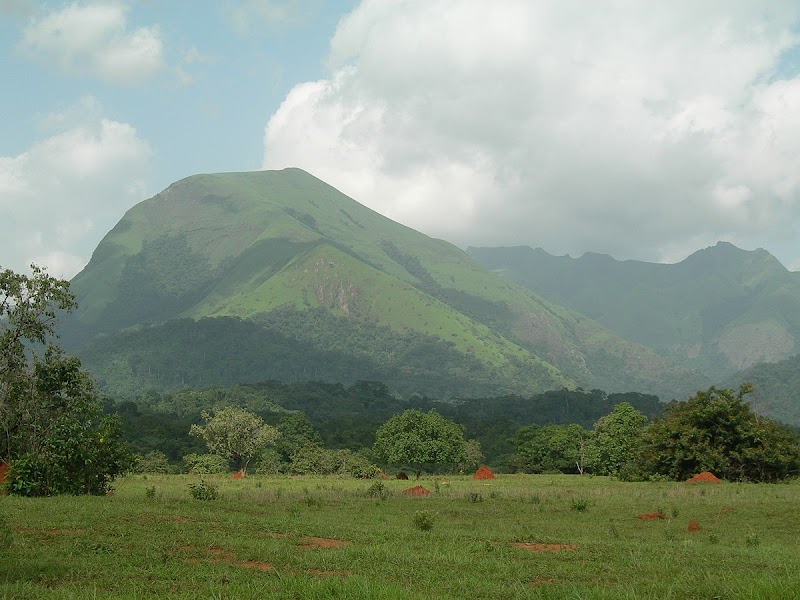
Taï National Park, located in the southwestern region of Côte d'Ivoire, stands out as one of the few remaining stretches of primary rainforest in West Africa. Recognized as a UNESCO World Heritage site, this park offers a rare look into an ancient ecosystem that supports an impressive diversity of life. Established in 1972, it remains critical for the conservation of endangered species such as pygmy hippos, forest elephants, and one of the largest populations of wild chimpanzees on the continent.
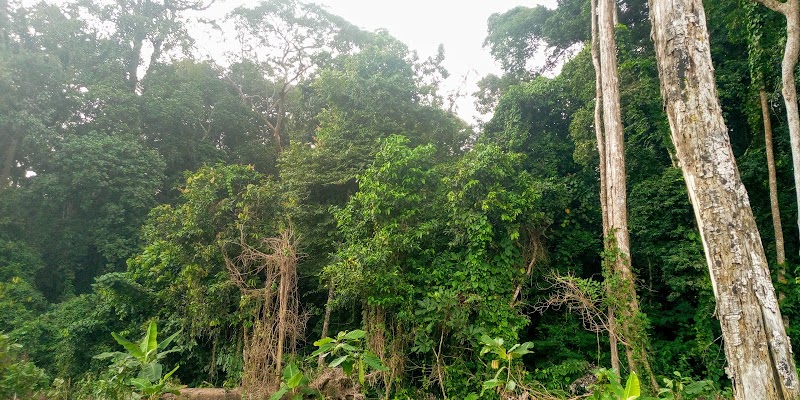
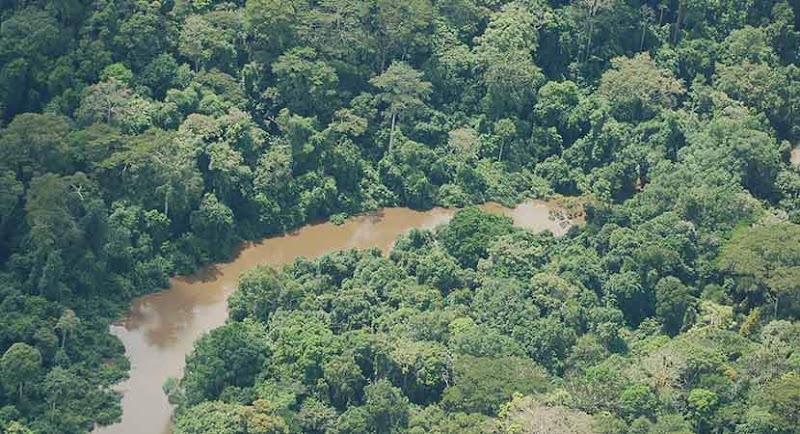
The park’s dense canopy is home to towering trees, some reaching heights over 40 meters, and an undergrowth alive with vibrant flora including towering lianas and rare orchids. Within this lush environment, visitors can witness the intimate behaviors of resilient primates and catch glimpses of elusive wildlife. The network of rivers and streams flowing through the park adds a refreshing dynamic to this tropical environment, enriching local biodiversity.
Taï National Park is also significant from a scientific standpoint, providing researchers with valuable opportunities to study complex forest ecosystems and conservation strategies. For those interested in cultural history, the surrounding communities offer a glimpse into traditional ways of living in harmony with the forest.
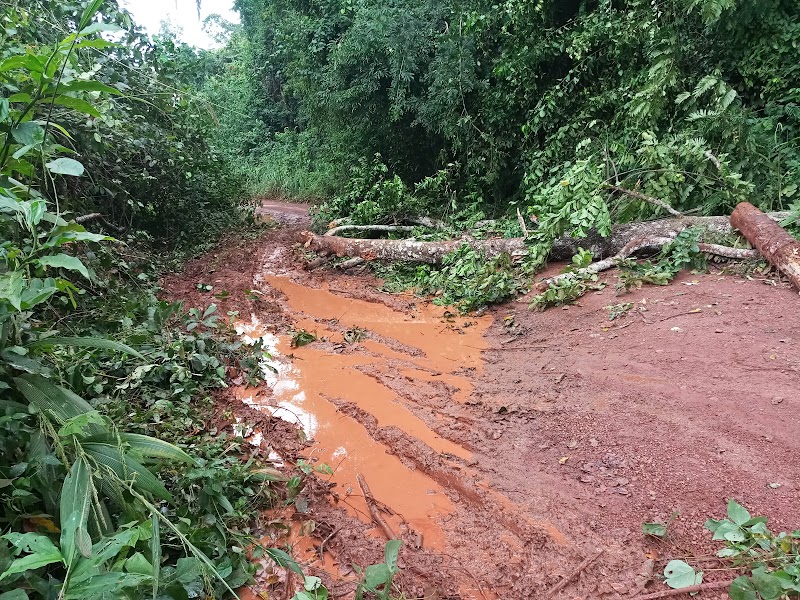
Visitors remark on the park’s peaceful yet raw environment, though accessing it requires careful planning, as routes vary and local transport options can be limited. Campsites inside the park provide comfortable lodging, with opportunities to observe monkeys and other wildlife up close. Whether interested in wildlife observation or the challenge of trekking through one of the last great West African rainforests, Taï National Park offers a genuinely unique experience.
Adventure Guide to Taï National Park
1. Walking Safaris
- What Makes It Special: Close-up encounters with diverse wildlife on guided walking trails.
- Key Features: Expert guides reveal details about species behavior and plant life.
- Visitor Tips: Visit during the dry season (December to March) for easier trekking; bring sturdy shoes and insect repellent.
- Getting There: Approximately 7 hours by car from Abidjan to the northern entrance near Guiglo.
2. Chimpanzee Tracking
- What Makes It Special: Observe one of West Africa’s largest wild chimpanzee groups.
- Key Features: Morning hikes led by skilled trackers; chance to see chimpanzees in their natural habitat.
- Local Insight: The ecotourism center in Tai village manages tours and conservation education.
- Visitor Tips: Best to visit early in the morning; carry water, camera, and durable footwear.
3. River Boat Excursions
- What Makes It Special: Viewing the forest from the waterways offers a different perspective on habitat diversity.
- Key Features: Calm, scenic rides with opportunities to spot birds, reptiles, and aquatic plants.
- Visitor Tips: Daylight hours are ideal; bring sunscreen, hat, and camera.
- Access: Boats are available near the main visitor camp; arranging trips via the ecotourism center ensures safety.
Practical Tips for Visitors:
- Best Time to Visit: December to March (dry season).
- Local Transport: From Guiglo, moto-taxis and local minibuses connect to Tai village; motorbike taxis charge around 10,000 CFA per stretch.
- What to Bring: Comfortable clothing, rain gear (during rainy season), insect repellent, good walking shoes, and allergy medication if needed.
Taï National Park offers a rewarding adventure for those prepared to navigate its remote location, providing unparalleled access to one of Africa’s most pristine rainforest ecosystems.
Visitor Tips
- Best Times:Dry season (December to March) for favorable conditions and optimal lighting.
- What to Bring:Plenty of water, sun protection, a camera, and respectful Leave-No-Trace mindset.