THE ADVENTURE COLLECTIVE® · Independent discovery and booking for outdoor travel

Drive from Abidjan to Yamoussoukro for a guided tour of Basilique Notre-Dame de la Paix, the world’s largest basilica, plus a look at the presidential palace and its crocodile moat. This full-day cultural excursion blends architecture, history, and easy walking.
Drive from Abidjan to Yamoussoukro for a guided tour of Basilique Notre-Dame de la Paix, the world’s largest basilica, plus a look at the presidential palace and its crocodile moat. This full-day cultural excursion blends architecture, history, and easy walking.
Morning light pours over the motorway as the drive from Abidjan slides past plantations and low savanna; by the time the city limits of Yamoussoukro appear you’re already close to stepping into a chapter of modern Ivorian ambition. The basilica—Basilique Notre-Dame de la Paix—rises with polished stone and a gleaming dome, its scale meant to rival Rome and invite questions about faith, politics and national identity.
Verified experiences and guided adventures in the surrounding area.
Operated by Adjo Josiane Miezan · Yamoussoukro, Yamoussoukro Autonomous District
Morning light pours over the motorway as the drive from Abidjan slides past plantations and low savanna; by the time the city limits of Yamoussoukro appear you’re already close to stepping into a chapter of modern Ivorian ambition. The basilica—Basilique Notre-Dame de la Paix—rises with polished stone and a gleaming dome, its scale meant to rival Rome and invite questions about faith, politics and national identity.
Built in the late 20th century and consecrated in 1990, the basilica reflects a bold era when President Félix Houphouët-Boigny shifted the political capital here. Geologically the area sits on gentle plains carved by seasonal streams; the human landmarks—presidential palace and its crocodile moat—feel almost staged against the open sky. The palace’s moat, stocked with large crocodiles, gives the place a theatrical edge: the animals move with an easy impatience, as if approving or dismissing visitors on their own schedule.
Culturally, the tour ties architecture to post-colonial ambition; guides explain why an inland capital was chosen and how local labor and international artisans combined on the basilica’s finishes. Expect a 90-minute guided walk through the basilica, a brief palace viewpoint, and a relaxed lunch break in town.
Practicalities: prepare for sun and a fair amount of walking on paved surfaces, bring cash for museum or guide tips (10,000–20,000 CFA common), and verify Sunday departure times. The round trip from Abidjan is long but straightforward—arrive curious and leave with a clearer sense of Côte d’Ivoire’s recent history and its unusual monuments.
easy.
10–11 hours.
Suitable for most travelers; involves short, flat walks and getting in/out of vehicles several times
Expect about 2.5–3 hours each way by car; total tour time including visits and lunch is typically 10–11 hours.
Yes—Basilique Notre-Dame de la Paix welcomes visitors of any background, but respectful behavior and modest dress are required indoors.
You view the presidential palace from the outside and its crocodile moat; access inside the official compound is not included.
The tour listings note wheelchair and stroller accessibility for main stops, but check with the operator about specific needs and vehicle accommodations.
Yamoussoukro became the political capital in 1983 by decree of President Félix Houphouët-Boigny; the basilica, completed in 1990, was part of a vision to create a monumental national center.
The crocodile moat is managed as a controlled feature of the palace grounds; visitors should avoid feeding wildlife and stick to marked viewing areas to reduce disturbance.
Adjo Josiane Miezan operates guided outdoor trips and adventures with an emphasis on safety, stewardship, and memorable experiences.
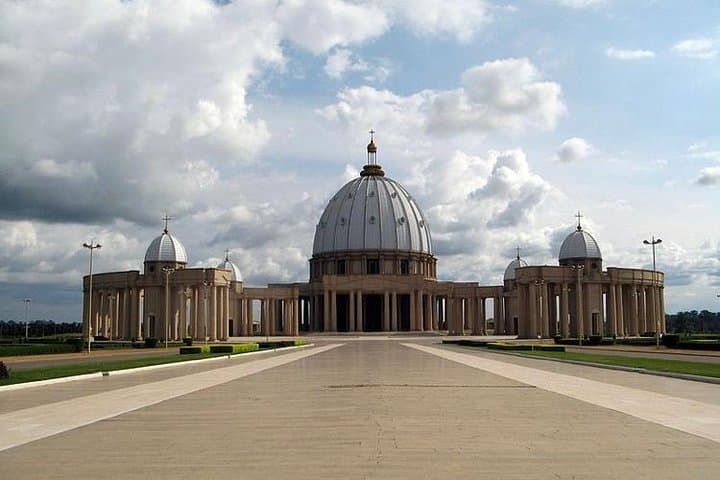
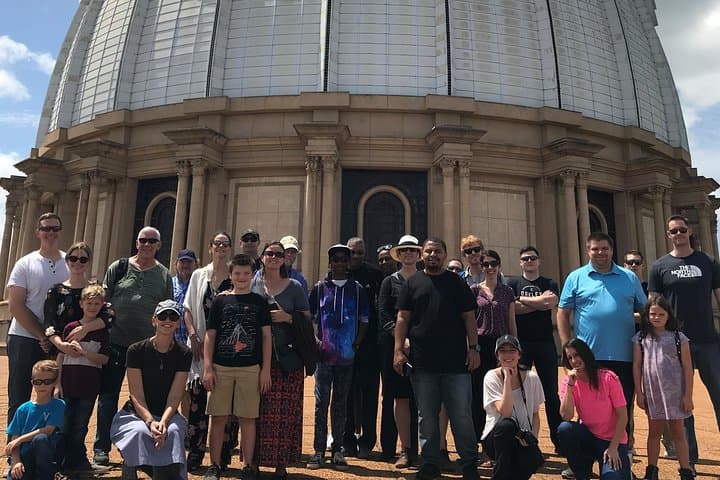
Morning light pours over the motorway as the drive from Abidjan slides past plantations and low savanna; by the time the city limits of Yamoussoukro appear you’re already close to stepping into a chapter of modern Ivorian ambition. The basilica—Basilique Notre-Dame de la Paix—rises with polished stone and a gleaming dome, its scale meant to rival Rome and invite questions about faith, politics and national identity.
Morning light pours over the motorway as the drive from Abidjan slides past plantations and low savanna; by the time the city limits of Yamoussoukro appear you’re already close to stepping into a chapter of modern Ivorian ambition. The basilica—Basilique Notre-Dame de la Paix—rises with polished stone and a gleaming dome, its scale meant to rival Rome and invite questions about faith, politics and national identity.
Built in the late 20th century and consecrated in 1990, the basilica reflects a bold era when President Félix Houphouët-Boigny shifted the political capital here. Geologically the area sits on gentle plains carved by seasonal streams; the human landmarks—presidential palace and its crocodile moat—feel almost staged against the open sky. The palace’s moat, stocked with large crocodiles, gives the place a theatrical edge: the animals move with an easy impatience, as if approving or dismissing visitors on their own schedule.
Culturally, the tour ties architecture to post-colonial ambition; guides explain why an inland capital was chosen and how local labor and international artisans combined on the basilica’s finishes. Expect a 90-minute guided walk through the basilica, a brief palace viewpoint, and a relaxed lunch break in town.
Practicalities: prepare for sun and a fair amount of walking on paved surfaces, bring cash for museum or guide tips (10,000–20,000 CFA common), and verify Sunday departure times. The round trip from Abidjan is long but straightforward—arrive curious and leave with a clearer sense of Côte d’Ivoire’s recent history and its unusual monuments.