THE ADVENTURE COLLECTIVE® · Independent discovery and booking for outdoor travel

Explore Plateau’s architecture, markets and the nightly bat commutes on this two-hour bilingual walking tour in Abidjan. Expect cathedral plazas, a modern mosque, street vendors and local stories woven into the city’s port history.
Explore Plateau’s architecture, markets and the nightly bat commutes on this two-hour bilingual walking tour in Abidjan. Expect cathedral plazas, a modern mosque, street vendors and local stories woven into the city’s port history.
Morning sun hits the glass facades of Plateau as your guide gathers the group at Place de la République. Sidewalks hum with vendors; the city opens like a map of trade routes, modern architecture and unexpected pockets of green. For two hours you move through blocks where concrete gives way to carved stone, a mosque’s clean geometry and the cathedral’s bold silhouette drawing the eye. At dusk — or even late afternoon on some days — you’ll notice the steady line of bats crossing toward feeding grounds, a small, wild ritual threaded through urban life.
Verified experiences and guided adventures in the surrounding area.
Operated by Adjo Josiane Miezan · Abidjan, Abidjan Autonomous District
Morning sun hits the glass facades of Plateau as your guide gathers the group at Place de la République. Sidewalks hum with vendors; the city opens like a map of trade routes, modern architecture and unexpected pockets of green. For two hours you move through blocks where concrete gives way to carved stone, a mosque’s clean geometry and the cathedral’s bold silhouette drawing the eye. At dusk — or even late afternoon on some days — you’ll notice the steady line of bats crossing toward feeding grounds, a small, wild ritual threaded through urban life.
Abidjan grew from fishing villages to a 20th‑century port and economic hub under French colonial and post‑independence planning. The Plateau district became the administrative spine; public buildings show French and local influences. Geologically the city sits on lagoon edges and low coastal plains, which shaped its port and the mangroves that once dominated the shoreline. Culturally, street markets, pagne fabric vendors and the blend of Christian and Islamic architecture tell the city’s layered story.
Practical guidance: tours meet Saturdays at 9:00 a.m. at Place de la République and run about two hours with a max of ~20 people. The route is low‑impact walking on sidewalks and some uneven paving — suitable for strollers and most fitness levels. Bring a refillable water bottle, sun protection, light rain layer during rainy months, and comfortable closed-toe shoes. Public transport and taxis are readily available; carry small local currency for markets and tips. Mobile tickets are accepted; cancel at least 24 hours in advance for a full refund.
easy.
2 hours.
Suitable for most fitness levels; involves continuous walking on city sidewalks with short standing stops
Tours are offered in French and English—confirm language when booking.
The group meets at Place de la République in Plateau at 9:00 a.m. every Saturday; arrive early to check in.
The tour is stroller accessible and suitable for most mobility levels, though some sidewalks may be narrow or uneven.
Full refund if canceled at least 24 hours before the scheduled departure; weather cancellations may also apply.
Abidjan expanded rapidly during the 20th century as a French-built port and later as Côte d’Ivoire’s economic center; Plateau became the administrative and commercial core.
Urban growth has altered mangrove and lagoon habitats—limit plastic waste, stay on sidewalks and support local guides who practice low‑impact tourism.
Adjo Josiane Miezan operates guided outdoor trips and adventures with an emphasis on safety, stewardship, and memorable experiences.
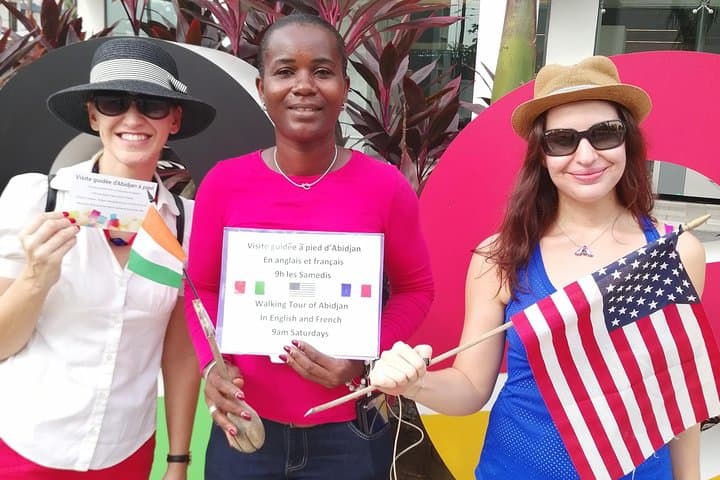
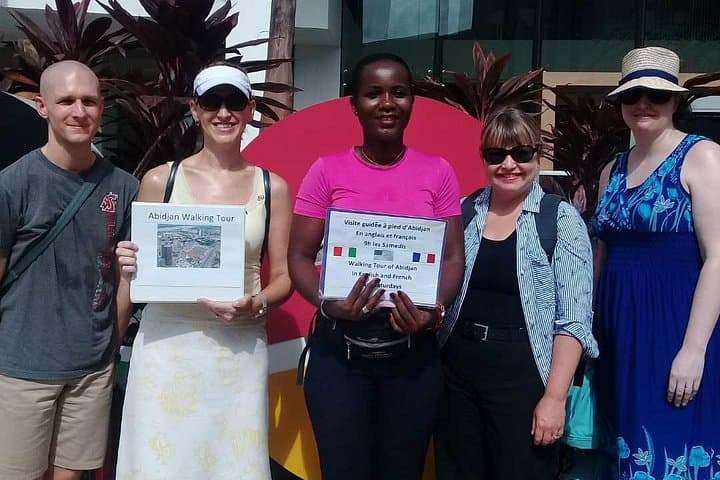
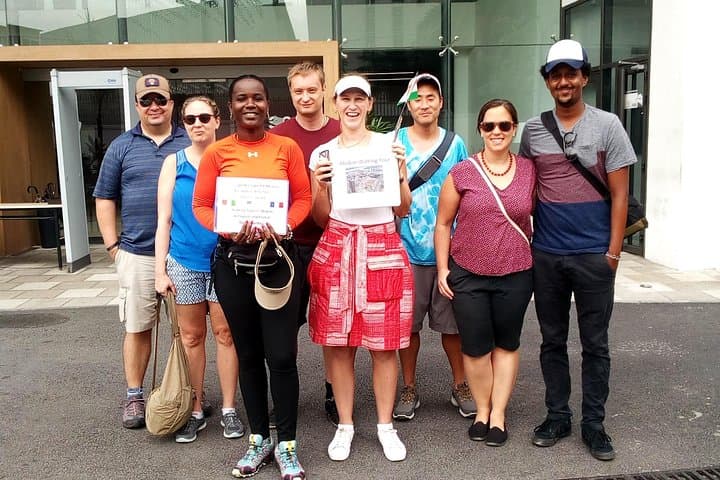
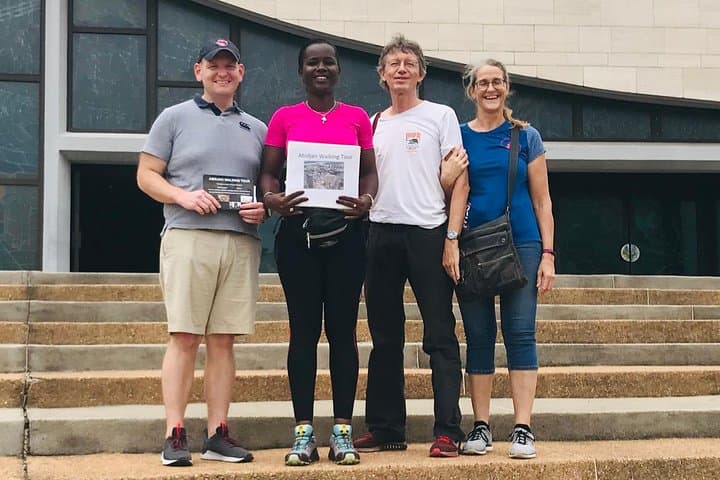
Morning sun hits the glass facades of Plateau as your guide gathers the group at Place de la République. Sidewalks hum with vendors; the city opens like a map of trade routes, modern architecture and unexpected pockets of green. For two hours you move through blocks where concrete gives way to carved stone, a mosque’s clean geometry and the cathedral’s bold silhouette drawing the eye. At dusk — or even late afternoon on some days — you’ll notice the steady line of bats crossing toward feeding grounds, a small, wild ritual threaded through urban life.
Morning sun hits the glass facades of Plateau as your guide gathers the group at Place de la République. Sidewalks hum with vendors; the city opens like a map of trade routes, modern architecture and unexpected pockets of green. For two hours you move through blocks where concrete gives way to carved stone, a mosque’s clean geometry and the cathedral’s bold silhouette drawing the eye. At dusk — or even late afternoon on some days — you’ll notice the steady line of bats crossing toward feeding grounds, a small, wild ritual threaded through urban life.
Abidjan grew from fishing villages to a 20th‑century port and economic hub under French colonial and post‑independence planning. The Plateau district became the administrative spine; public buildings show French and local influences. Geologically the city sits on lagoon edges and low coastal plains, which shaped its port and the mangroves that once dominated the shoreline. Culturally, street markets, pagne fabric vendors and the blend of Christian and Islamic architecture tell the city’s layered story.
Practical guidance: tours meet Saturdays at 9:00 a.m. at Place de la République and run about two hours with a max of ~20 people. The route is low‑impact walking on sidewalks and some uneven paving — suitable for strollers and most fitness levels. Bring a refillable water bottle, sun protection, light rain layer during rainy months, and comfortable closed-toe shoes. Public transport and taxis are readily available; carry small local currency for markets and tips. Mobile tickets are accepted; cancel at least 24 hours in advance for a full refund.