About this landmark
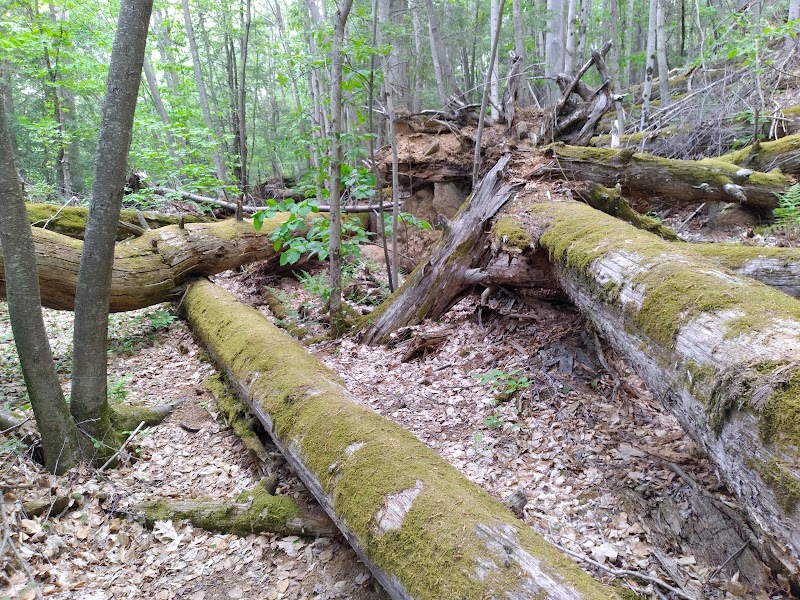
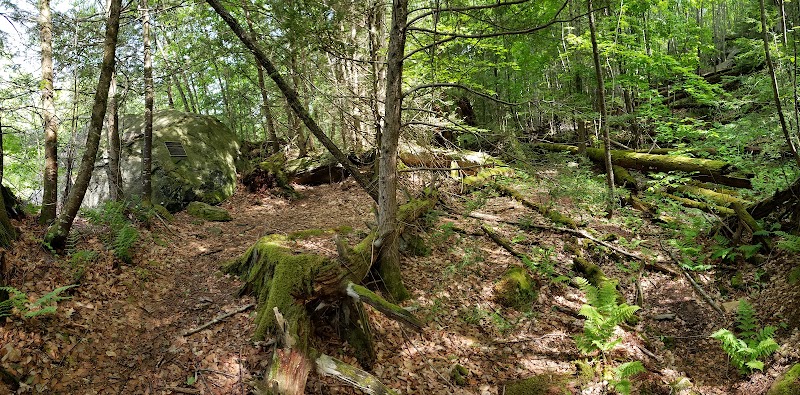
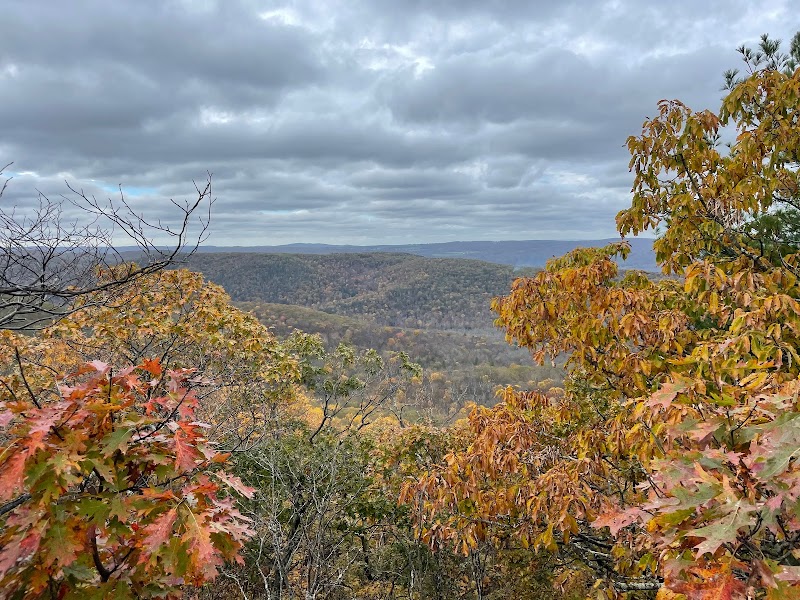
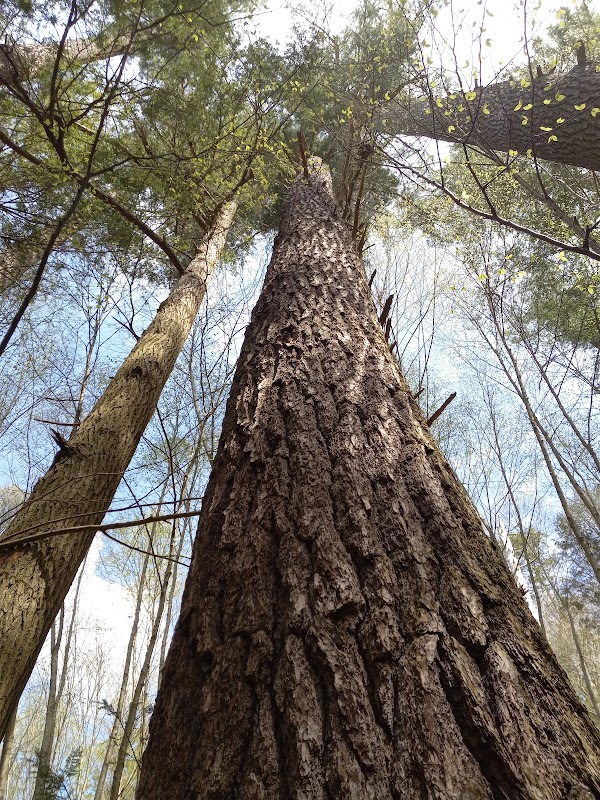
Cathedral Pines in West Cornwall, Connecticut, is a breathtaking natural wonder. This majestic forest is home to towering white pines and hemlocks, some over 100 feet tall, creating a picturesque canopy that offers an enchanting escape into nature. Once one of the last stands of virgin white pines in New England, a significant portion of these trees were lost to severe storms in the 1980s. However, the remaining trees still provide a profound connection to the area's natural history. The forest is now a designated National Natural Landmark, protected for its ecological significance and beauty. Visitors often marvel at the towering trunks and the serene atmosphere they create. The forest floor, dotted with ferns and shaded by the lofty trees above, is a haven for hikers seeking the tranquility and timelessness of an ancient forest. Strolling through Cathedral Pines provides an immersive experience in natural wonder, making it a must-visit for nature enthusiasts in the region.
Adventure Guide
Adventure Guide to Cathedral Pines
1. Hiking the Cathedral Pines Trail
- What Makes It Special: This gentle hiking trail winds through the oldest stands of pine and hemlock, offering a serene woodland experience under towering trees.
- Key Features: Perfect for a short, scenic walk, the path provides insights into the forest's ecology and history. Interpretive signs enrich the experience with fascinating facts.
- Visitor Tips:
- Best Times to Visit: Spring and fall for moderate temperatures and striking foliage.
- What to Bring: Comfortable walking shoes, water, and a camera to capture the stunning scenery.
- Directions: From West Cornwall, Cathedral Pines is about a 10-minute drive, easily accessible via Route 7.
2. Photography at Cathedral Pines
- What Makes It Special: The stunning light filtering through the towering trees makes for incredible photography opportunities.
- Key Features: Capture the contrast of light and shadow on massive tree trunks and the lush undergrowth.
- Visitor Tips:
- Best Times to Visit: Early morning or late afternoon for the best lighting effects.
- What to Bring: A camera with a zoom lens to capture details and wide shots.
3. Bird Watching
- What Makes It Special: The forest's diverse ecosystem is home to various bird species, making it a paradise for bird watchers.
- Key Features: Listen to the harmony of bird songs within this peaceful sanctuary.
- Visitor Tips:
- Best Times to Visit: Spring and early summer for the best bird activity.
- What to Bring: Binoculars and a field guide to identify local species.
Visitor Tips
- Best Times:Spring and Fall for favorable conditions and optimal lighting.
- What to Bring:Plenty of water, sun protection, a camera, and respectful Leave-No-Trace mindset.