About this landmark
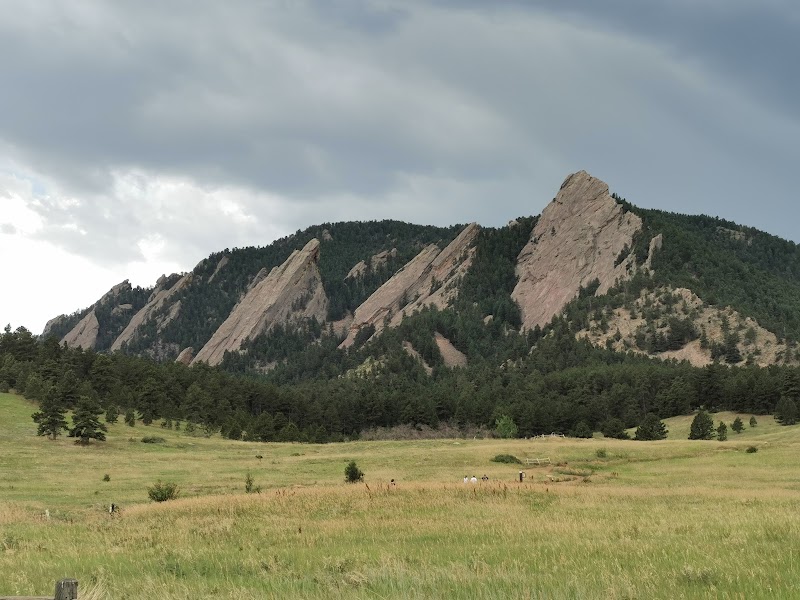
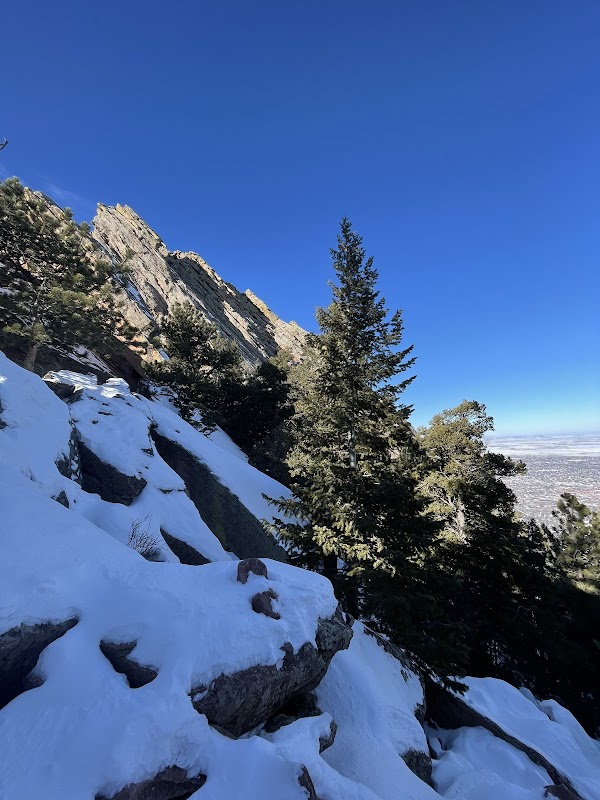
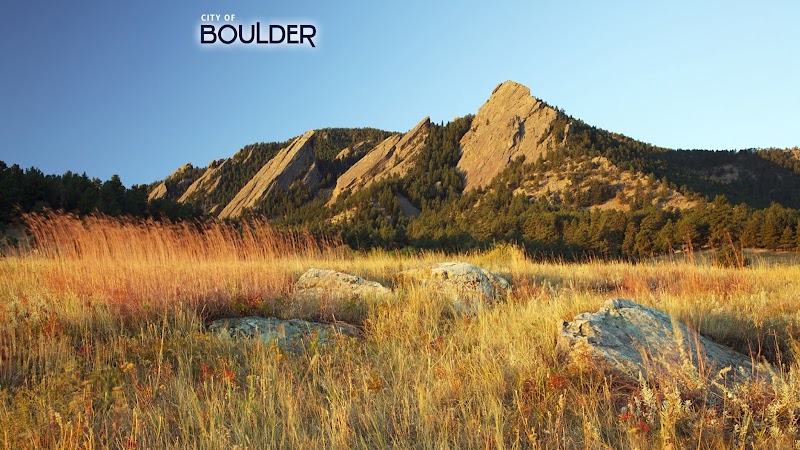
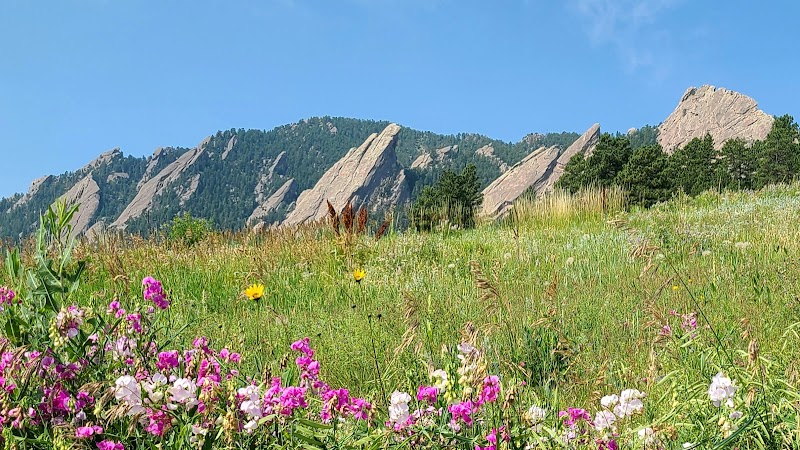
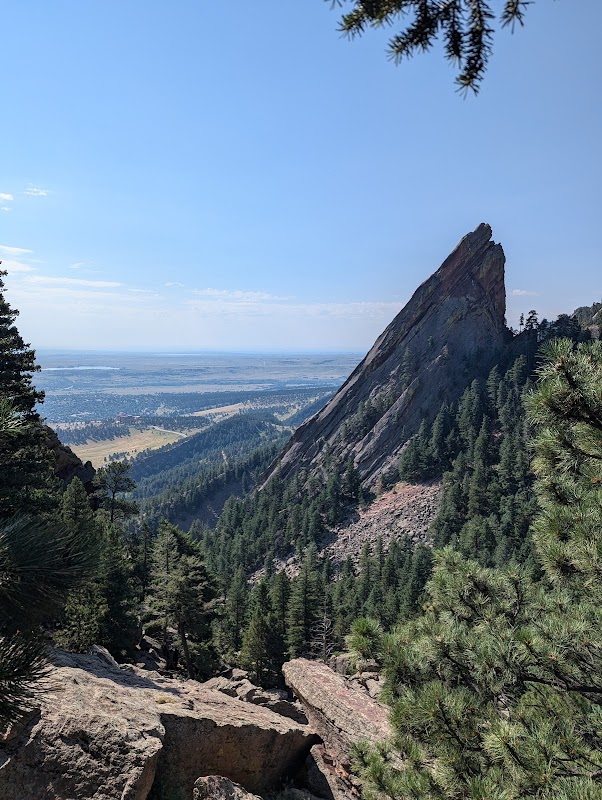
The First and Second Flatirons stand proudly in the backdrop of Boulder, Colorado, offering a quintessential view that defines the area’s natural beauty. These striking rock formations emerge from the forested landscape of the Front Range, making them a must-see destination for outdoor enthusiasts and nature lovers visiting this region. Carved from sandstone, the Flatirons captivate with their sheer, slanted faces that glisten in the sun, providing both a scenic spectacle and a geological wonder. This area, renowned for its outdoor recreation, sits at the base of Boulder’s iconic Chautauqua Park, a location steeped in history from the Chautauqua movement of the late 19th century, promoting educational retreats in natural surroundings. Visitors are drawn not only to the unique geological features but also the vibrant ecosystem surrounding the Flatirons, including lush forests and diverse wildlife. As a focal point for Boulder’s adventurous spirit, the First and Second Flatirons invite hikers, climbers, and explorers to experience their grandeur up close, offering a sense of both serenity and adventure.
Adventure Guide
Adventure Guide To First and Second Flatirons Loop Trailhead
Hiking the First and Second Flatirons
- Experience: Trekking the challenging trails offers panoramic views and a rewarding exercise.
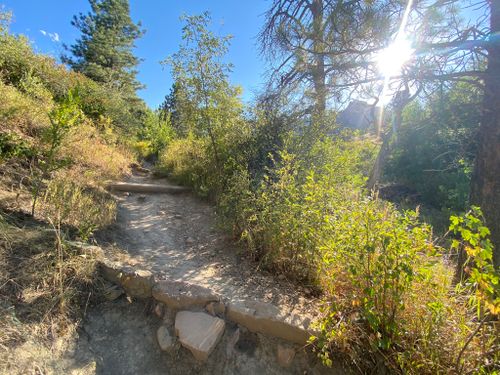
- Features: The loop offers various trailheads, with switchbacks and some scrambling near the peaks.
- Insight: Boulder's Chautauqua Park, where the trail begins, plays a vital cultural and historical role.
- Visitor Tips: Visit early morning or late afternoon to avoid crowds. Carry water and sun protection.
- Directions: A 40-minute drive from Denver, head to Baseline Road, then access the trailhead within Chautauqua Park.
Climbing Adventures
- Experience: Climbing these iconic formations is an unforgettable test of skill and endurance.
- Features: Routes vary by difficulty; consult local climbing guides for the best paths.
- Insight: The unique sandstone composition adds to the climbing challenge.
- Visitor Tips: Bring climbing gear and check route conditions. Late spring to early fall is ideal.
Nature Walks and Wildlife Watching
- Experience: Stroll the trails around the base to spot local flora and fauna.
- Features: Well-marked paths and interpretive signs make this accessible to all ages.
- Visitor Tips: Binoculars and field guides can enhance the experience. Morning visits often yield more wildlife sightings.
Visitor Tips
- Best Times:Late Spring to Early Fall for favorable conditions and optimal lighting.
- What to Bring:Plenty of water, sun protection, a camera, and respectful Leave-No-Trace mindset.