About this landmark
Waterfall Wonder at Crescent Falls Provincial Recreation Area
Crescent Falls Provincial Recreation Area, Clearwater County, Alberta
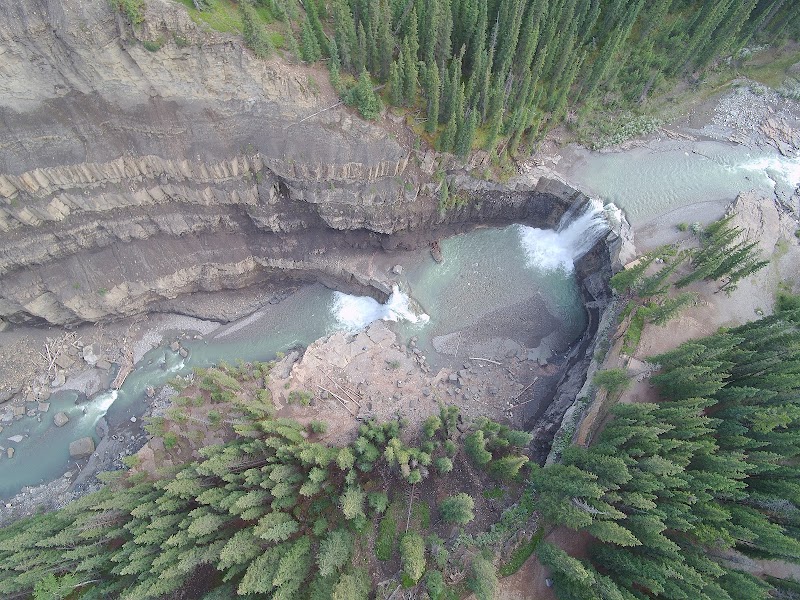
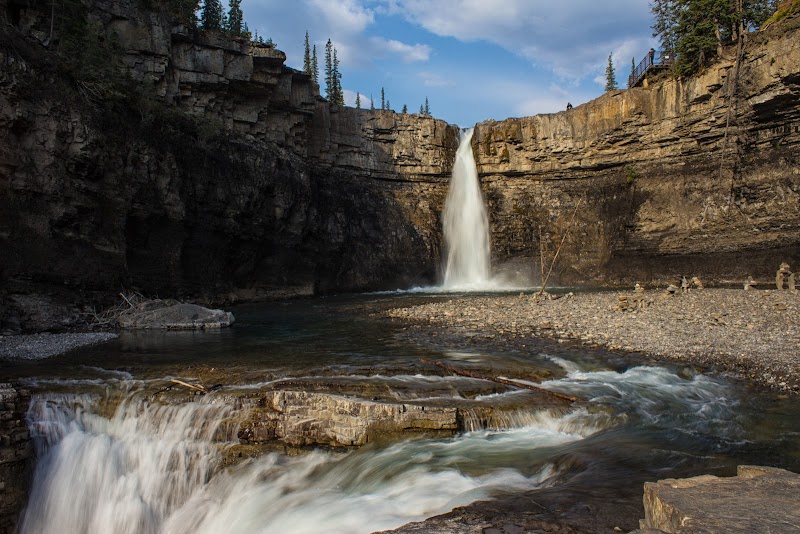
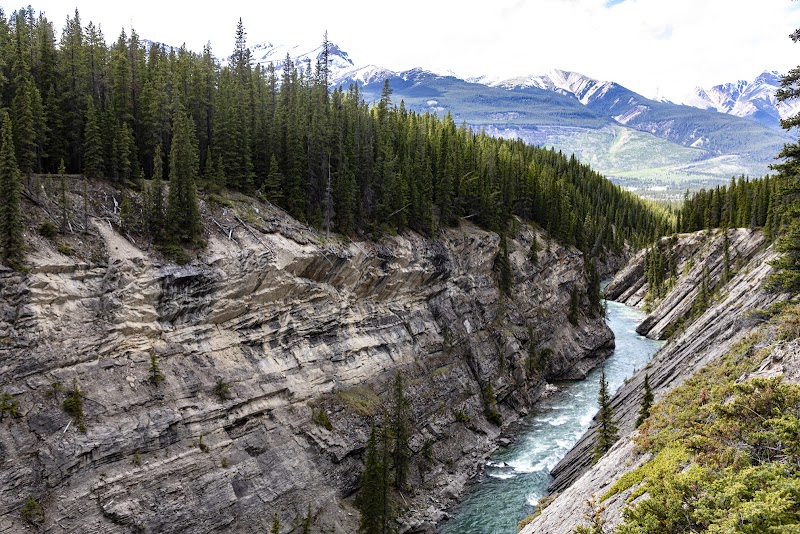
Crescent Falls Provincial Recreation Area is a remarkable natural attraction situated near Clearwater County in Alberta. This destination is well-known for its stunning waterfall system, where the Clearwater River plunges dramatically into a deep canyon, creating a breathtaking spectacle that captivates visitors year-round. The falls cascade over unique sedimentary rock formations that reveal ancient geological history, enhancing the area's natural allure.
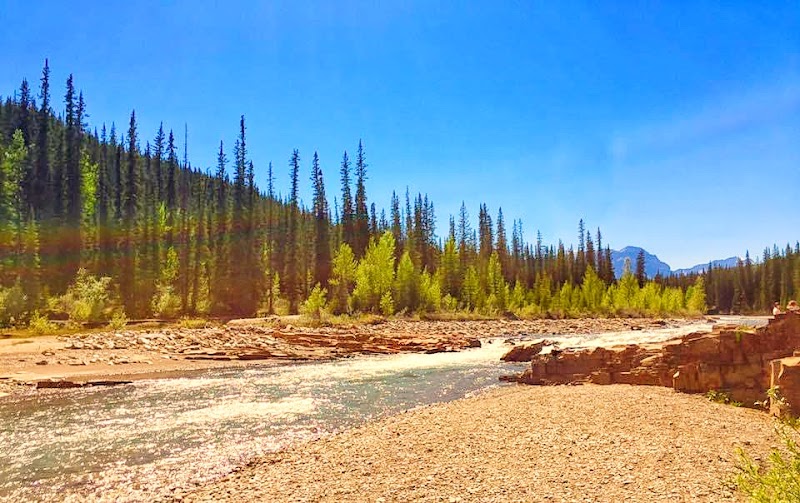
The Recreation Area offers stunning views of the steep canyon walls and evergreen forests that frame the falls, delivering a dramatic contrast of textures and colors. During the warmer months, the water flows vigorously, while winter transforms the falls into an impressive frozen ice formation, drawing nature lovers and photographers alike. This location is also home to diverse plant life typical of Alberta’s boreal forests and serves as a critical habitat for various native wildlife species.
Besides its natural beauty, the site has cultural significance, as the region has long been inhabited by Indigenous peoples who hold deep connections with the land and waterways. The well-maintained trails make it accessible for visitors wishing to spend a peaceful day in nature, enjoying the fresh air and panoramic vistas.
Crescent Falls Provincial Recreation Area stands out for its dramatic waterfall, geological intrigue, and ecological richness, making it a must-visit landmark for anyone interested in Alberta’s natural heritage.
Adventure Guide
Adventure Guide To Crescent Falls Provincial Recreation Area
1. Hiking to the Falls Viewpoint
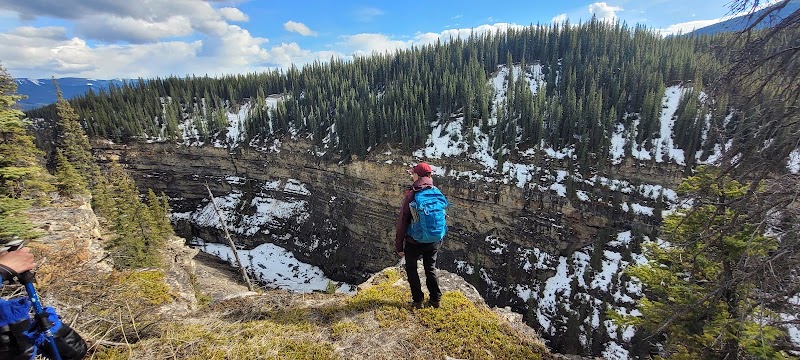
- What Makes It Special: A short but scenic trail leads visitors to spectacular vantage points overlooking the cascading Crescent Falls and the surrounding Big Horn Canyon.
- Key Features: Well-maintained paths with interpretive signage, picnic areas, and benches.
- Local Insights: The trail reveals diverse plant species and geological layers unique to this area.
- Visitor Tips: Best to visit between late spring and early fall for trail accessibility and comfort. Bring good hiking shoes, water, and bear spray for safety.
2. Winter Ice Viewing and Photography
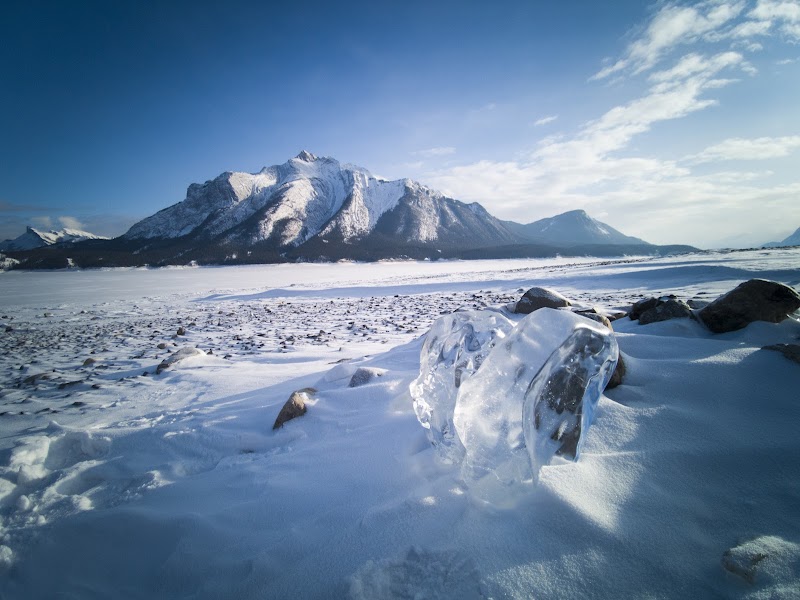
- What Makes It Special: The falls freeze during winter, creating an impressive natural ice sculpture that is highly photogenic.
- Key Features: Frozen waterfalls, ice holes, and snow-covered canyon landscapes.
- Local Insights: Temperatures can drop significantly, so dressing warmly and checking weather conditions before your visit is essential.
- Visitor Tips: Visit in mid-winter with snowshoes or crampons, and bring a camera with extra battery life for cold conditions.
3. Picnic and Wildlife Spotting
- What Makes It Special: The recreation area offers several quiet spots for picnicking amid Alberta’s boreal forest ecosystems.
- Key Features: Picnic tables, open grassy spaces, and excellent chances to see native birds and other wildlife.
- Local Insights: Early mornings and late afternoons are best for spotting wildlife.
- Visitor Tips: Pack out all trash, use bear-proof containers when possible, and avoid feeding animals.
Getting There
- Located about 30 minutes from the town of Rocky Mountain House, access is via Highway 11 south, followed by a short drive on local roads.
- The total drive time from Edmonton is roughly 2.5 hours.
What To Bring
- Sturdy footwear, layered clothing, water, snacks, camera, bear spray (especially in summer), and sun protection.
Best Times to Visit
- Spring to early fall for hiking and picnics.
- Winter for ice formations and snow landscapes.
Visitor Tips
- Best Times:Spring to Early Fall for favorable conditions and optimal lighting.
- What to Bring:Plenty of water, sun protection, a camera, and respectful Leave-No-Trace mindset.