THE ADVENTURE COLLECTIVE® · Independent discovery and booking for outdoor travel

Set out from Jasper for a full-day, private-guided tour of the Columbia Icefields. Three customizable hikes lead to glacier viewpoints, alpine lakes, and moraine ridges with interpretive insights about geology and glacial change.
Set out from Jasper for a full-day, private-guided tour of the Columbia Icefields. Three customizable hikes lead to glacier viewpoints, alpine lakes, and moraine ridges with interpretive insights about geology and glacial change.
Morning light on the Icefields Parkway strips frost from the tundra and the first crevasses of the Columbia Icefield glint like old coins. From Jasper you’ll push away from the highway into a quiet of stunted willow and wind-polished rock, following a guide who reads the land and times your climbs for the best light.
Verified experiences and guided adventures in the surrounding area.
Operated by Terri Hunter · Jasper, Alberta
Morning light on the Icefields Parkway strips frost from the tundra and the first crevasses of the Columbia Icefield glint like old coins. From Jasper you’ll push away from the highway into a quiet of stunted willow and wind-polished rock, following a guide who reads the land and times your climbs for the best light.
The Columbia Icefield sits on the Continental Divide and formed over millennia as snow compacted into the largest ice mass in the Canadian Rockies. Indigenous Peoples long understood this landscape as a living place—glaciers that shaped water routes and seasonal camps. Geologically, the region is hard, folded sedimentary rock cut by glacial abrasion; the result is sharp ridgelines, moraines, and turquoise meltwater lakes.
Culturally, modern visits are layered: Parks Canada stewardship, guided interpretive programs, and provincial travel infrastructure. Guides here explain glacial retreat, local flora that clings to ledges, and the safe ways to watch wildlife without interrupting it.
Practical guidance: expect a full-day outing (roughly 7 hours) with three moderate hikes that can be tailored to fitness. Trails range from packed moraine to alpine scree; elevation gain varies by route but plan for multiple short ascents and exposed sections. Bring layered clothing, waterproof boots, sun protection, and at least 2–3 liters of water. Start early to avoid afternoon winds and to maximize wildlife sightings; follow your guide’s instructions on route choices and keep a safe distance from wildlife and unstable glacier edges.
This experience balances close-up glacier observation with interpretive learning—an efficient, grounded way to see one of the Rockies’ most powerful landscapes.
moderate.
7 hours.
Suitable for people with a fair level of fitness who can handle multiple short ascents, uneven terrain, and sustained hiking over several hours.
The private tour is roughly 7 hours and includes three customizable hikes chosen by guide and guest ability, with a scenic lunch stop.
No technical experience is required, but participants should have at least moderate fitness and be comfortable on uneven, sometimes rocky terrain.
Yes—you’ll reach viewpoints and moraine areas with direct sightlines to parts of the Columbia Icefield and nearby outlet glaciers; guides will keep you a safe distance from unstable ice and crevasses.
Visitors must follow Parks Canada regulations and pay any applicable national park entry fees; guides typically advise on fee arrangements during booking.
The Columbia Icefield has been a landmark on the Continental Divide for millennia, used by Indigenous Peoples and later mapped during early European exploration and railway surveys in the 19th and 20th centuries.
Glacial retreat is prominent here; guided tourism under Parks Canada practices emphasizes staying on durable surfaces, minimizing waste, and learning about climate impacts to reduce visitor footprint.
Terri Hunter operates guided outdoor trips and adventures with an emphasis on safety, stewardship, and memorable experiences.
Morning light on the Icefields Parkway strips frost from the tundra and the first crevasses of the Columbia Icefield glint like old coins. From Jasper you’ll push away from the highway into a quiet of stunted willow and wind-polished rock, following a guide who reads the land and times your climbs for the best light.
Morning light on the Icefields Parkway strips frost from the tundra and the first crevasses of the Columbia Icefield glint like old coins. From Jasper you’ll push away from the highway into a quiet of stunted willow and wind-polished rock, following a guide who reads the land and times your climbs for the best light.
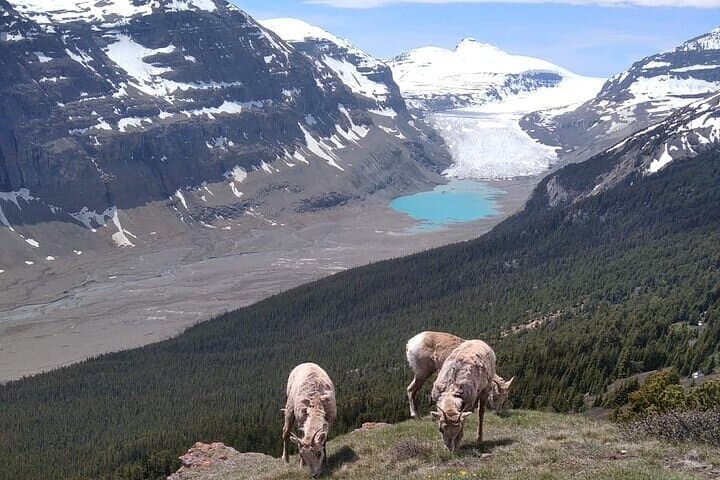
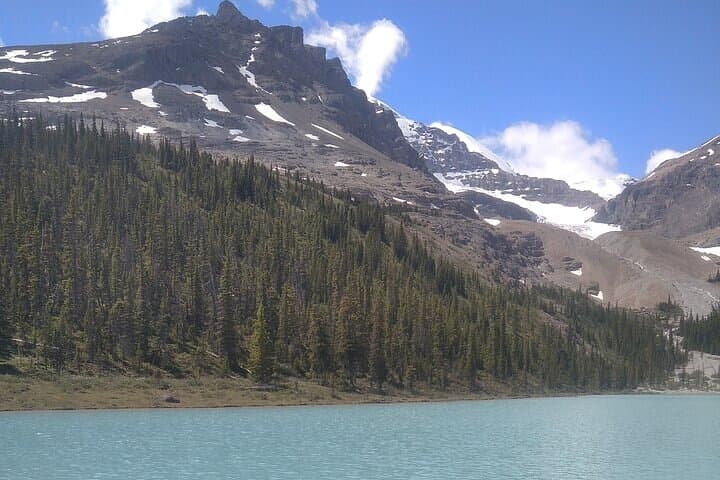
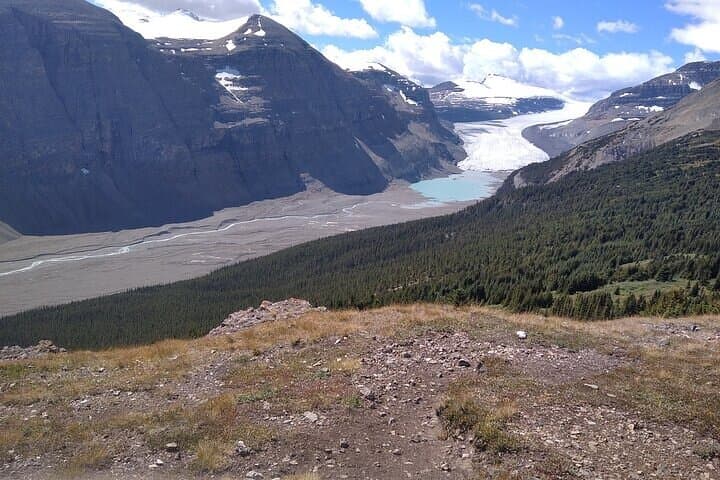
The Columbia Icefield sits on the Continental Divide and formed over millennia as snow compacted into the largest ice mass in the Canadian Rockies. Indigenous Peoples long understood this landscape as a living place—glaciers that shaped water routes and seasonal camps. Geologically, the region is hard, folded sedimentary rock cut by glacial abrasion; the result is sharp ridgelines, moraines, and turquoise meltwater lakes.
Culturally, modern visits are layered: Parks Canada stewardship, guided interpretive programs, and provincial travel infrastructure. Guides here explain glacial retreat, local flora that clings to ledges, and the safe ways to watch wildlife without interrupting it.
Practical guidance: expect a full-day outing (roughly 7 hours) with three moderate hikes that can be tailored to fitness. Trails range from packed moraine to alpine scree; elevation gain varies by route but plan for multiple short ascents and exposed sections. Bring layered clothing, waterproof boots, sun protection, and at least 2–3 liters of water. Start early to avoid afternoon winds and to maximize wildlife sightings; follow your guide’s instructions on route choices and keep a safe distance from wildlife and unstable glacier edges.
This experience balances close-up glacier observation with interpretive learning—an efficient, grounded way to see one of the Rockies’ most powerful landscapes.