THE ADVENTURE COLLECTIVE® · Independent discovery and booking for outdoor travel

Drive the Icefields Parkway from Canmore to stand at the edge of the Columbia Icefield. This full-day tour pairs scenic stops and short hikes with glacier history and expert guiding.
Drive the Icefields Parkway from Canmore to stand at the edge of the Columbia Icefield. This full-day tour pairs scenic stops and short hikes with glacier history and expert guiding.
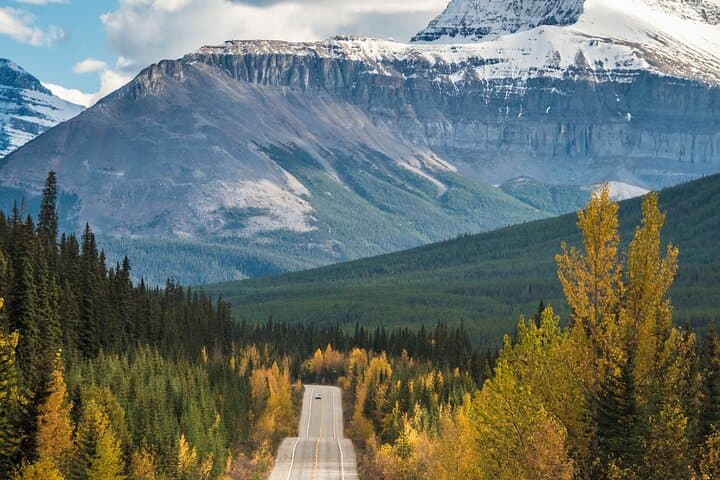
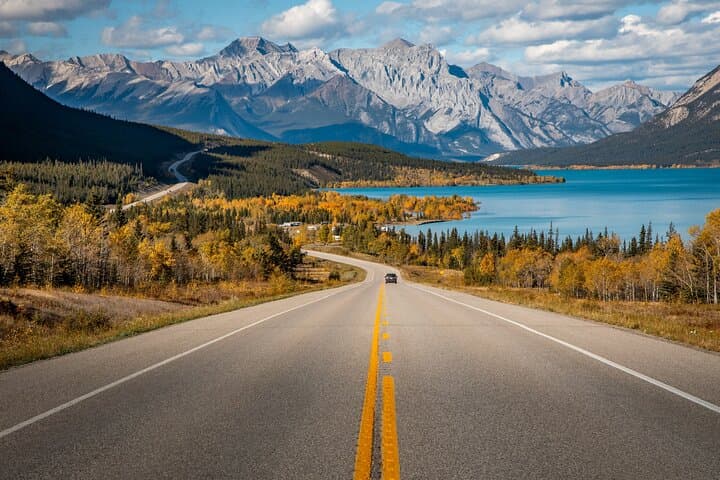
A cold wind cuts across the windshield as the tour van climbs onto the Icefields Parkway, the road threading high between serrated peaks and river-carved valleys. By midmorning the Columbia Icefield fills the horizon: the glacier’s blue-white mass pressing against ridgelines, and meltwater streams daring you to follow their route downstream.
Verified experiences and guided adventures in the surrounding area.
Operated by Banff & Canmore Tours · Canmore, Alberta
A cold wind cuts across the windshield as the tour van climbs onto the Icefields Parkway, the road threading high between serrated peaks and river-carved valleys. By midmorning the Columbia Icefield fills the horizon: the glacier’s blue-white mass pressing against ridgelines, and meltwater streams daring you to follow their route downstream.
The Icefields sit along the Continental Divide and feed major watersheds—the Athabasca, North Saskatchewan and Columbia rivers—proof of glacial geology at work over millennia. Indigenous peoples have long known these routes; European exploration and early 20th-century mountaineering later mapped the passes, and the highway itself is a modern corridor through Pleistocene sculpting and alpine ecology.
On this full-day run from Canmore, expect several scenic stops and short walks: boardwalk views and marked viewpoints, variable terrain from paved pullouts to gravel moraine paths, and short hikes typically 0.5–2 km with under ~150 m elevation gain. Guides provide geology and wildlife context while pointing out quieter features—hidden canyons, small glacier-fed lakes—before reaching the Icefields Discovery Centre and Athabasca Glacier edge.
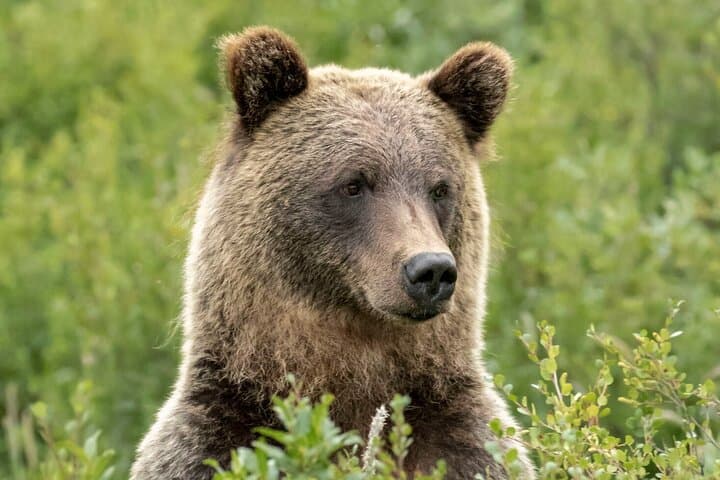
Practically, layers and windproof shells make the difference: weather on the icefield can shift fast. Wear sturdy footwear for moraine rock and follow guide instructions—walking on glaciers without equipment or a guide is unsafe and prohibited. The tour’s pace balances photo stops with brief walks; bring water, a camera, and respect for the fragile alpine environment. Timing your visit for morning light reduces wind and crowds and improves chances of spotting bighorn sheep or elk along the route.
moderate.
9 hours.
Light-to-moderate fitness required—able to walk short distances on uneven terrain and handle repeated stops.
The scheduled duration is about 9 hours, including multiple scenic stops, short walks, and travel time from Canmore.
Walking onto the glacier should only be done with an authorized guide and proper equipment; follow the tour operator’s instructions.
Yes—there are designated restrooms and a discovery centre with food options, but bring snacks and water for the roadside stops.
Children under 8 are generally not recommended for this tour—confirm age and suitability with the operator before booking.
The Icefields Parkway was completed mid-20th century to connect Banff and Jasper; the glaciers themselves record thousands of years of climatic change and were important travel corridors for Indigenous peoples.
Glaciers in the Columbia Icefield are retreating due to climate change; stay on marked trails, avoid disturbing fragile vegetation, and follow Leave No Trace principles.
Banff & Canmore Tours operates guided outdoor trips and adventures with an emphasis on safety, stewardship, and memorable experiences.
A cold wind cuts across the windshield as the tour van climbs onto the Icefields Parkway, the road threading high between serrated peaks and river-carved valleys. By midmorning the Columbia Icefield fills the horizon: the glacier’s blue-white mass pressing against ridgelines, and meltwater streams daring you to follow their route downstream.
A cold wind cuts across the windshield as the tour van climbs onto the Icefields Parkway, the road threading high between serrated peaks and river-carved valleys. By midmorning the Columbia Icefield fills the horizon: the glacier’s blue-white mass pressing against ridgelines, and meltwater streams daring you to follow their route downstream.
The Icefields sit along the Continental Divide and feed major watersheds—the Athabasca, North Saskatchewan and Columbia rivers—proof of glacial geology at work over millennia. Indigenous peoples have long known these routes; European exploration and early 20th-century mountaineering later mapped the passes, and the highway itself is a modern corridor through Pleistocene sculpting and alpine ecology.
On this full-day run from Canmore, expect several scenic stops and short walks: boardwalk views and marked viewpoints, variable terrain from paved pullouts to gravel moraine paths, and short hikes typically 0.5–2 km with under ~150 m elevation gain. Guides provide geology and wildlife context while pointing out quieter features—hidden canyons, small glacier-fed lakes—before reaching the Icefields Discovery Centre and Athabasca Glacier edge.
Practically, layers and windproof shells make the difference: weather on the icefield can shift fast. Wear sturdy footwear for moraine rock and follow guide instructions—walking on glaciers without equipment or a guide is unsafe and prohibited. The tour’s pace balances photo stops with brief walks; bring water, a camera, and respect for the fragile alpine environment. Timing your visit for morning light reduces wind and crowds and improves chances of spotting bighorn sheep or elk along the route.