About this landmark
Coastal Marvel at Big Sur, California
Big Sur, located along California’s rugged central coast, is a destination that captivates with its dramatic meeting of the Santa Lucia Mountains and the Pacific Ocean. Stretching over 90 miles, this region is defined by steep cliffs, crashing waves, and sweeping ocean views that create an unforgettable experience for visitors. The contrast between towering ancient redwoods and the deep blue sea sets Big Sur apart from typical coastal retreats.
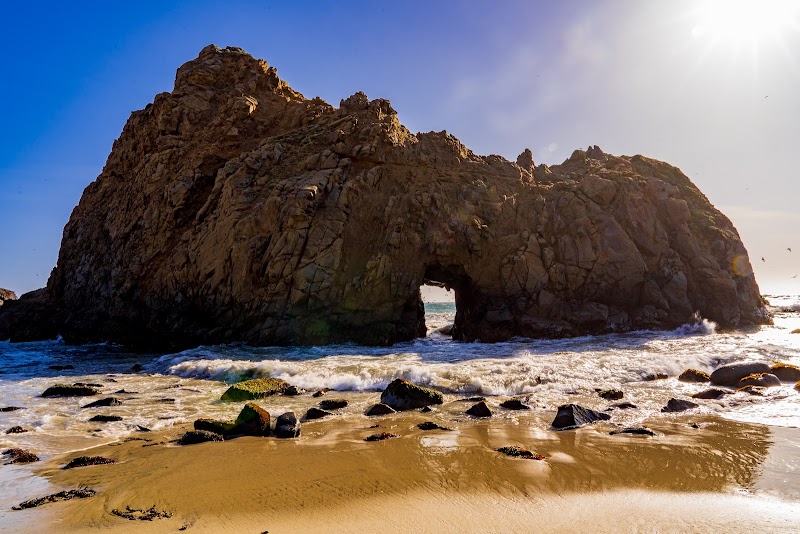
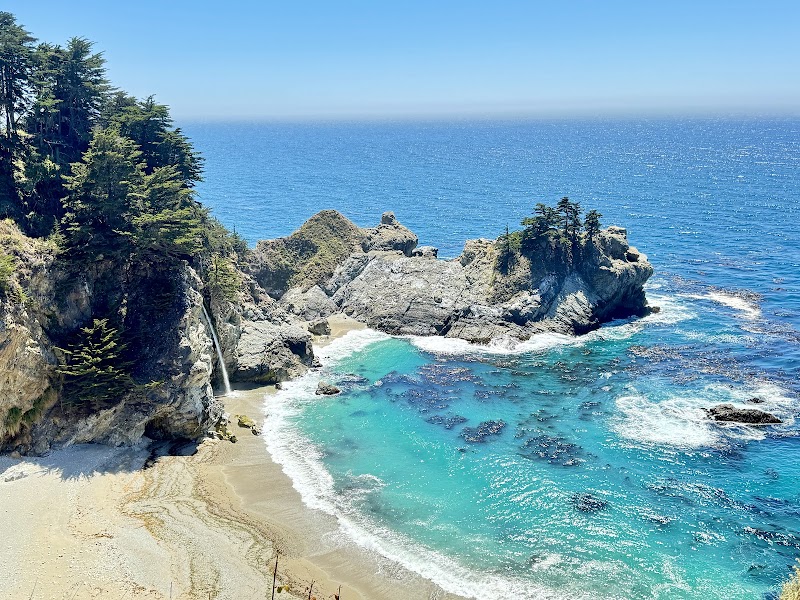
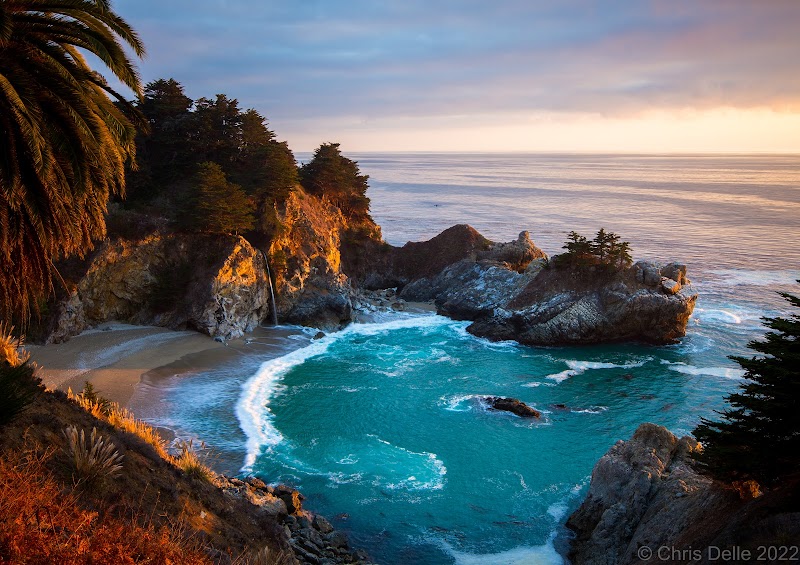
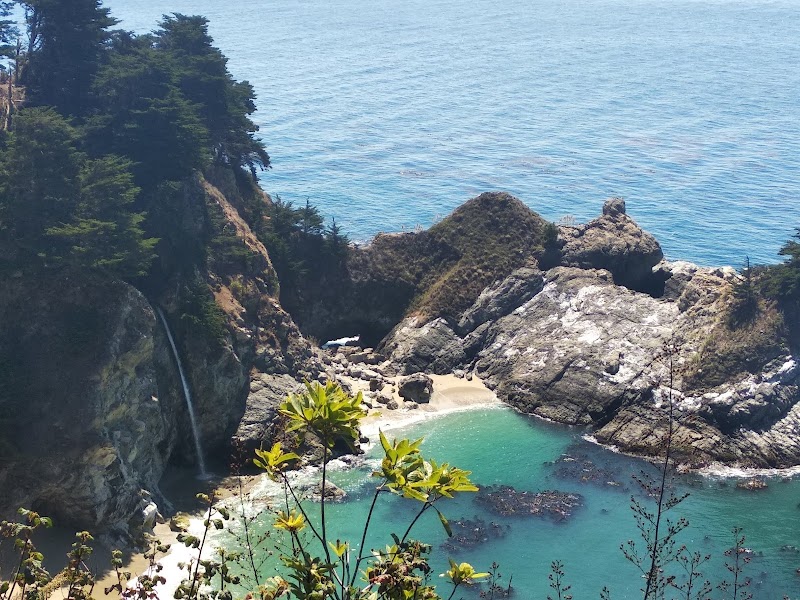
Key features include McWay Falls, a rare tidefall that spills directly onto the shore, visible only from a short trail offering breathtaking perspectives. The coastline is punctuated by volcanic rock formations that stand stark against the water, shaping secluded coves and tide pools that thrive with marine life. Inland areas support coastal scrub and California bay laurels, while the redwood forests provide shaded tranquility and a glimpse into the area’s ecological history.
Big Sur’s allure goes beyond its scenery—since the early 1900s, the area has drawn artists and writers who sought inspiration amid its quiet beauty. This blend of natural and cultural history brings depth to a visit here. Whether spotting whales offshore or watching sunsets illuminate the rugged cliffs, visitors find a place that nurtures both outdoor adventure and peaceful reflection.
The diverse landscape, striking geological formations, and cultural richness combine to make Big Sur a standout along California’s coastline, leaving a memorable impression on all who visit.
Adventure Guide To Big Sur
1. Hiking at Julia Pfeiffer Burns State Park
Special Features: The park is famous for trails with panoramic ocean views and the iconic McWay Falls overlook.
- Key Trails: The Waterfall Trail (easy, 0.6 miles) leads to stunning overlook points.
- Local Insight: The park preserves both coastal and redwood forest environments, perfect for birdwatching and photography.
- Visitor Tips: Visit in spring or fall for milder weather; bring sturdy shoes and water. Parking fills early in summer.
2. Coastal Biking on Highway 1
Special Features: One of the most scenic bike routes in California, featuring ocean cliffs, forests, and wildlife sightings.
- Amenities: Limited bike rentals and safe pull-outs for rest stops near beaches and viewpoints.
- Local Insight: Early mornings provide cooler temperatures and fog-free vistas. Watch for occasional wildlife crossing.
- Visitor Tips: Bring helmets, layered clothing, and sunscreen due to variable coastal weather.
3. Surfing at Andrew Molera State Park
Special Features: Beginner-friendly surf spots with consistent waves and less crowded beaches.
- Facilities: Nearby parking and picnic areas create a comfortable surf day.
- Local Insight: The park’s open spaces provide both waves and gentle breezes, ideal for swimmers and paddleboarders as well.
- Visitor Tips: Check tide charts before heading out, bring wetsuits, and be cautious of rip currents.
Getting to Big Sur
- Directions: Accessible via Highway 1 from Monterey (about 45 minutes south) or from San Luis Obispo (about 2 hours north).
- Best Time to Visit: Spring through fall for clear skies and pleasant temperatures. Winter offers quieter trails but can be rainy and foggy.
- What to Bring: Water, sunscreen, layered clothing, sturdy shoes, and a camera to capture the stunning views.
Big Sur’s exceptional scenery and outdoor opportunities make it a rewarding coastal destination for travelers of all interests.
Visitor Tips
- Best Times:Year-Round for favorable conditions and optimal lighting.
- What to Bring:Plenty of water, sun protection, a camera, and respectful Leave-No-Trace mindset.