About this landmark
Reserva Nacional de Fauna Andina Eduardo Avaroa: A Bolivian Gem
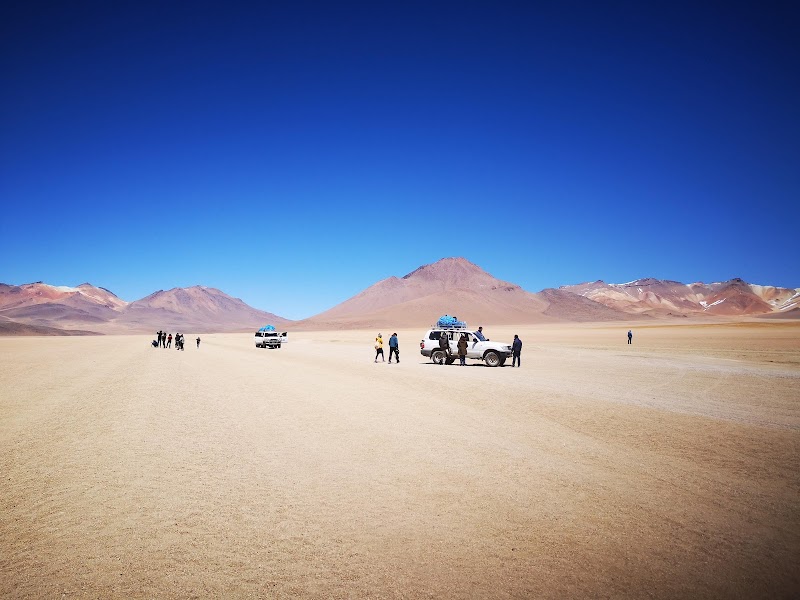
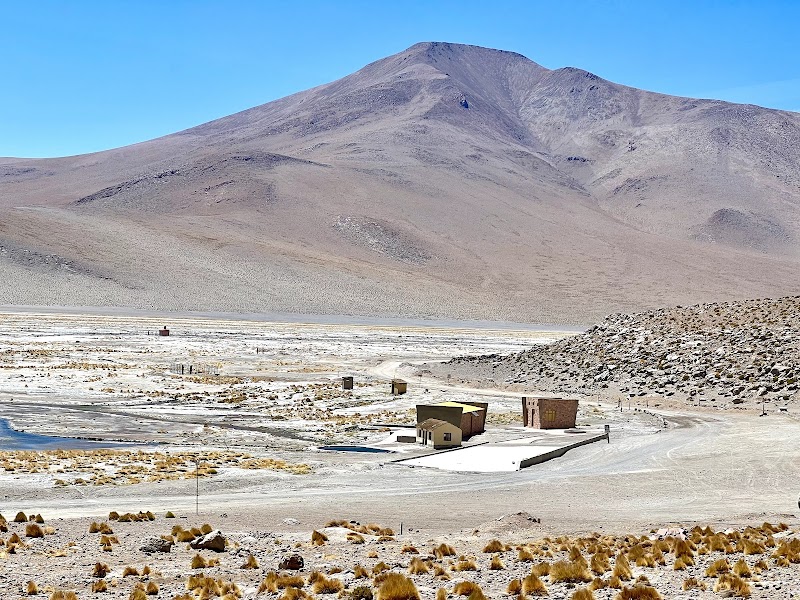
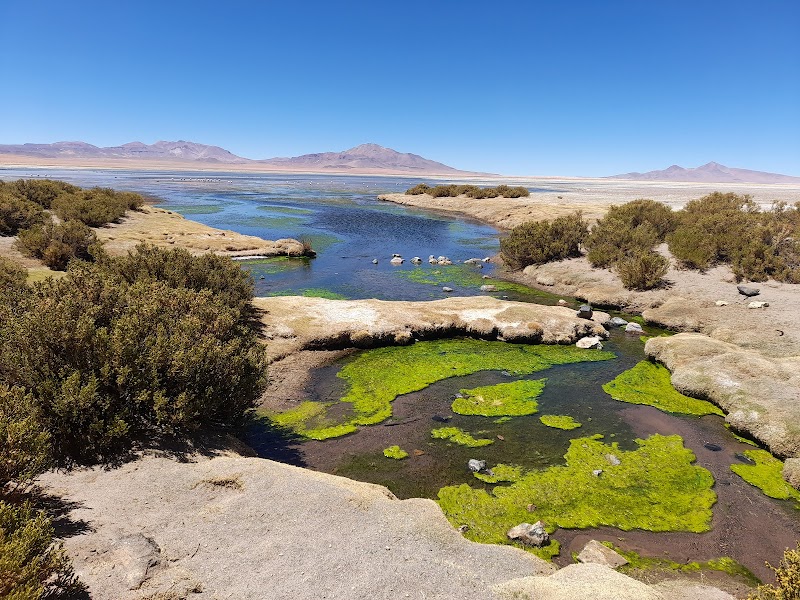
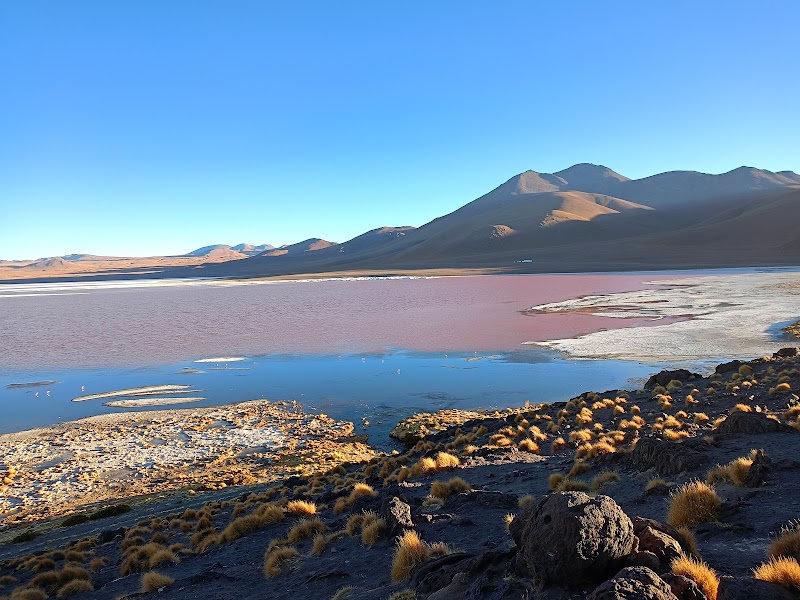
Nestled in the enchanting region of southwestern Bolivia, the Reserva Nacional de Fauna Andina Eduardo Avaroa captivates travelers with its stunning landscapes and unique biodiversity. Established in 1973, this reserve is renowned for its breathtaking vistas of high-altitude salt flats, colorful lakes, and rugged mountains.
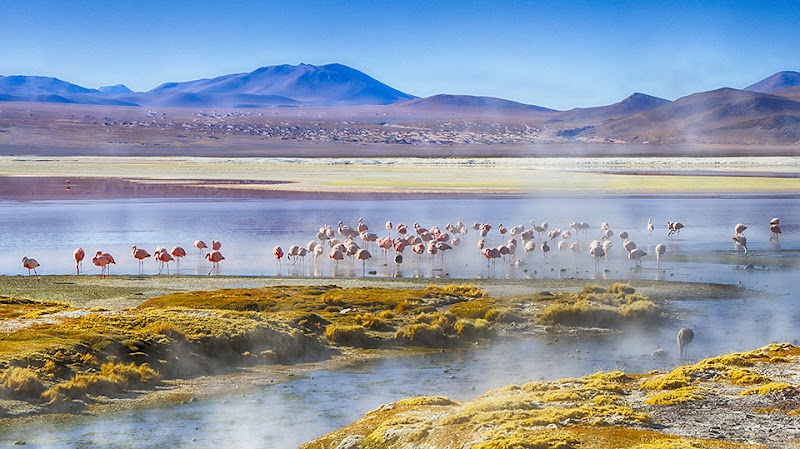
One of the most striking features is Laguna Colorada, a shallow, red-hued lake filled with mineral-rich waters. Flamingos gracefully wade through its vivid waters, creating a mesmerizing sight against the backdrop of the Andes. The surreal beauty of the lake is enhanced by the red algae and plankton thriving within.
Visitors can also admire the geothermal terrain of the Sol de Mañana geysers, where steam vents and bubbling mud pots offer a glimpse into the Earth's dynamic core. The sharp silhouettes of the snow-capped peaks, such as the Licancabur Volcano, provide an awe-inspiring panorama.
This national reserve stands out due to its diverse flora and fauna, including rare species like the Andean fox and vicuñas. It's a haven for nature enthusiasts and adventure seekers alike, promising an unforgettable journey through one of South America's most picturesque and ecologically significant areas.
Adventure Guide
Adventure Guide to Reserva Nacional de Fauna Andina Eduardo Avaroa
1. Flamingo Watching at Laguna Colorada
- What makes it special: The red waters of Laguna Colorada house thousands of flamingos, offering an unparalleled bird-watching experience.
- Visitor Tips: Visit during sunrise or sunset for magical lighting. Bring binoculars and a camera for wildlife photography.
2. Exploring Sol de Mañana Geysers
- What makes it special: Witness steaming geysers and boiling mud pots at nearly 5,000 meters above sea level.
- Visitor Tips: Arrive early to capture the rising steam in the cold morning air. Dress warmly and stay on marked paths.
3. Trekking Licancabur Volcano
- What makes it special: This iconic peak offers challenging treks and panoramic views from the summit.
- Visitor Tips: Best attempted from September to November. Ensure you're acclimatized to the altitude.
- Direction: From Uyuni, the reserve is approximately a 10-hour drive southwest. The journey winds through picturesque landscapes.
Local Insights: The reserve’s unique climate is a blend of cold desert and arid mountain conditions—perfect for stargazing.
Essentials to Bring: Warm clothing, sun protection, plenty of water, and a reliable map or GPS device.
Visitor Tips
- Best Times:Spring and Fall for favorable conditions and optimal lighting.
- What to Bring:Plenty of water, sun protection, a camera, and respectful Leave-No-Trace mindset.