THE ADVENTURE COLLECTIVE® · Independent discovery and booking for outdoor travel

A pre-dawn ascent to Cerro Toco is a high-altitude test of stamina and acclimatization, rewarding hikers with sweeping Andean panoramas. This seven-hour trek demands planning—expect thin air, hard sun and sudden cold on the volcanic slopes.
A pre-dawn ascent to Cerro Toco is a high-altitude test of stamina and acclimatization, rewarding hikers with sweeping Andean panoramas. This seven-hour trek demands planning—expect thin air, hard sun and sudden cold on the volcanic slopes.
A sunrise push toward Cerro Toco begins before dawn: headlamps pick out the coarse volcanic scree as the Atacama sky lightens, and thin air makes each step deliberate. Climbers cross a stark high plain where wind scours loose grit and the skeletal outlines of neighboring peaks—Licancabur, Sairecabur—rise like blunt teeth against cold light.
Verified experiences and guided adventures in the surrounding area.
Operated by Jaes Adventure Chile · San Pedro de Atacama, Antofagasta Region
A sunrise push toward Cerro Toco begins before dawn: headlamps pick out the coarse volcanic scree as the Atacama sky lightens, and thin air makes each step deliberate. Climbers cross a stark high plain where wind scours loose grit and the skeletal outlines of neighboring peaks—Licancabur, Sairecabur—rise like blunt teeth against cold light.
Cerro Toco sits on the Purico complex, a product of Andean volcanism tied to the subduction of the Nazca Plate. The slopes bear pumice, lava blocks and patches of old fumaroles; the thin soils give little to hold moisture, which is why the high Andes near San Pedro look more lunar than verdant. Indigenous atacameño communities have long used these highlands for seasonal hunting and as transit routes between basins.
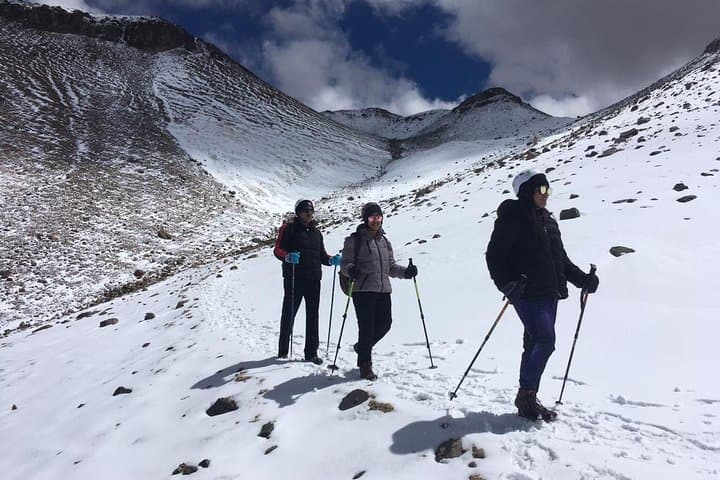
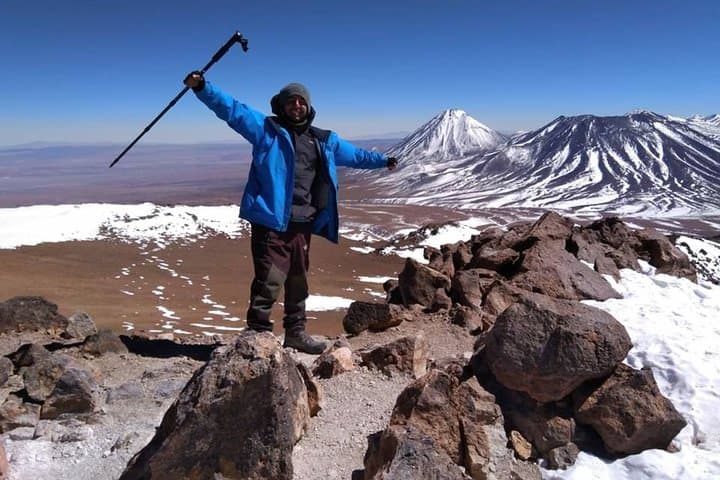
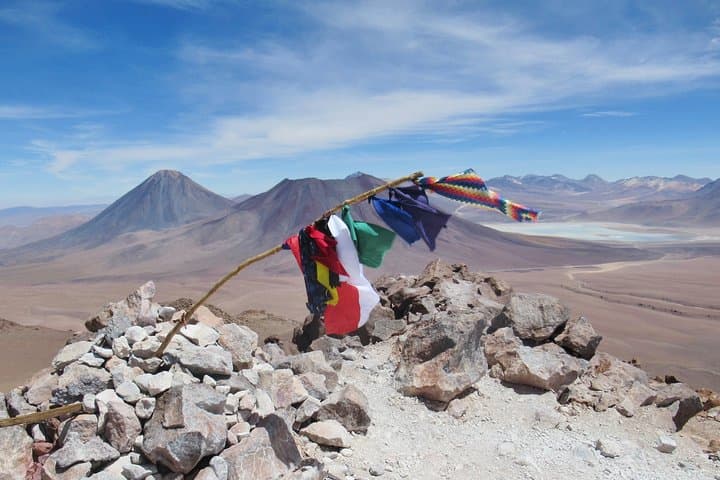
The route is primarily a sustained high-altitude hike rather than a technical climb, but the altitude is the real challenge—expect slow, purposeful movement and frequent rests. Weather is brutally changeable: clear, solar-intense mornings can flip to wind and freezing temperatures by midday. The summit yields expansive views into both Chile and Bolivia and a clear sense of how the plateau shapes weather and culture below.
Practical guidance: acclimatize in San Pedro de Atacama for at least 48–72 hours, hydrate well, and carry layers for strong sun and sudden cold. Trekking poles and a helmet are often recommended; crampons may be useful in shoulder seasons. Plan transport and timing with an experienced operator, and be prepared to turn back—at this altitude conservative decisions keep climbs safe.
challenging.
6–8 hours.
Good cardiovascular fitness and prior high-altitude hiking experience recommended; expect sustained aerobic effort and short rest breaks.
Expect 6–8 hours round-trip from the typical pick-up point, depending on group pace and acclimatization.
Most parties treat Cerro Toco as a non-technical high-altitude trek; helmets and possibly crampons in snowy patches are recommended but ropes are not usually needed.
Acclimatize for 48–72 hours, stay well hydrated, ascend slowly, and know symptoms—headache, nausea, dizziness—and be prepared to descend if they worsen.
Dry season (April–November) offers more stable conditions and clearer skies; shoulder seasons may have snow at higher elevations.
These high Andean corridors were used by atacameño communities for trade and ritual; volcanic features also informed local cosmology and seasonal movements.
The high desert is fragile—stay on established tracks, pack out all waste, and use local operators who practice leave-no-trace to minimize impact.
Jaes Adventure Chile operates guided outdoor trips and adventures with an emphasis on safety, stewardship, and memorable experiences.
A sunrise push toward Cerro Toco begins before dawn: headlamps pick out the coarse volcanic scree as the Atacama sky lightens, and thin air makes each step deliberate. Climbers cross a stark high plain where wind scours loose grit and the skeletal outlines of neighboring peaks—Licancabur, Sairecabur—rise like blunt teeth against cold light.
A sunrise push toward Cerro Toco begins before dawn: headlamps pick out the coarse volcanic scree as the Atacama sky lightens, and thin air makes each step deliberate. Climbers cross a stark high plain where wind scours loose grit and the skeletal outlines of neighboring peaks—Licancabur, Sairecabur—rise like blunt teeth against cold light.
Cerro Toco sits on the Purico complex, a product of Andean volcanism tied to the subduction of the Nazca Plate. The slopes bear pumice, lava blocks and patches of old fumaroles; the thin soils give little to hold moisture, which is why the high Andes near San Pedro look more lunar than verdant. Indigenous atacameño communities have long used these highlands for seasonal hunting and as transit routes between basins.
The route is primarily a sustained high-altitude hike rather than a technical climb, but the altitude is the real challenge—expect slow, purposeful movement and frequent rests. Weather is brutally changeable: clear, solar-intense mornings can flip to wind and freezing temperatures by midday. The summit yields expansive views into both Chile and Bolivia and a clear sense of how the plateau shapes weather and culture below.
Practical guidance: acclimatize in San Pedro de Atacama for at least 48–72 hours, hydrate well, and carry layers for strong sun and sudden cold. Trekking poles and a helmet are often recommended; crampons may be useful in shoulder seasons. Plan transport and timing with an experienced operator, and be prepared to turn back—at this altitude conservative decisions keep climbs safe.