About this landmark
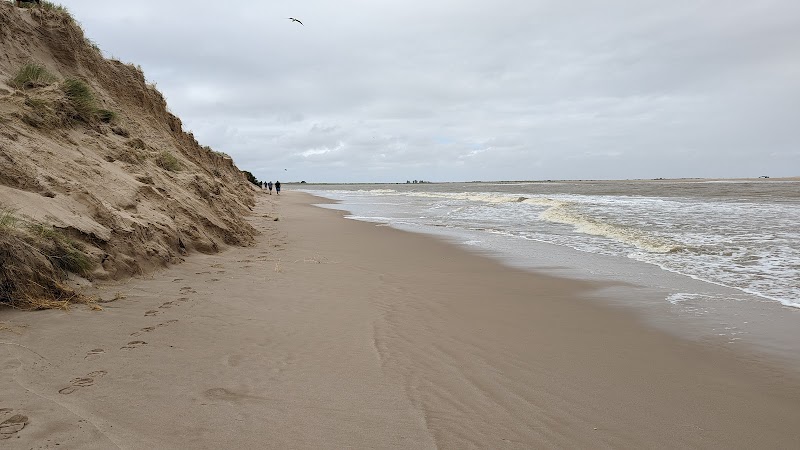
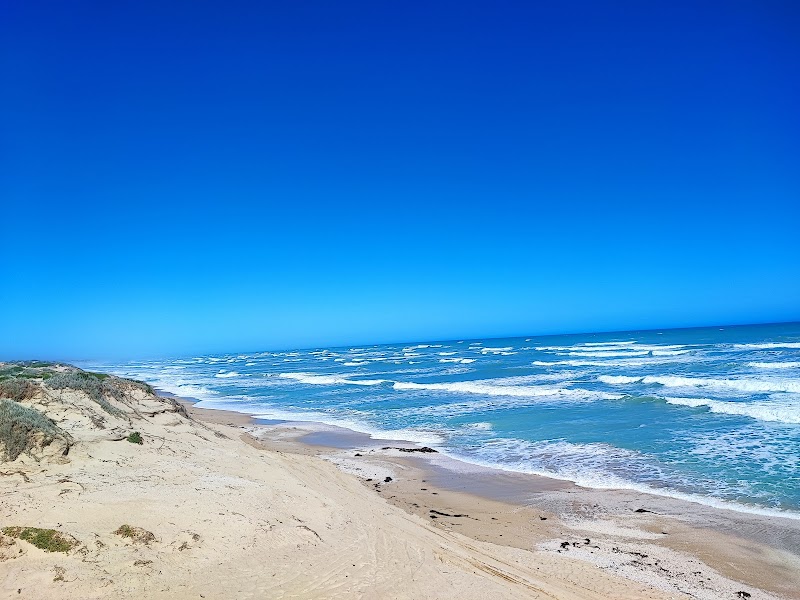
Coorong National Park in South Australia offers an enchanting escape, where the land meets the sea in a stretch of mesmerizing beauty. Known for its expansive lagoons and dynamic coastline, the park is a vital sanctuary for migratory birds and boasts a unique combination of coastal dunes, saltwater, and freshwater ecosystems. Located near the charming city of Adelaide, it’s known for its wild beauty and tranquility. The park’s open spaces allow for awe-inspiring sunsets and plentiful opportunities for photography, birdwatching, and relaxation.
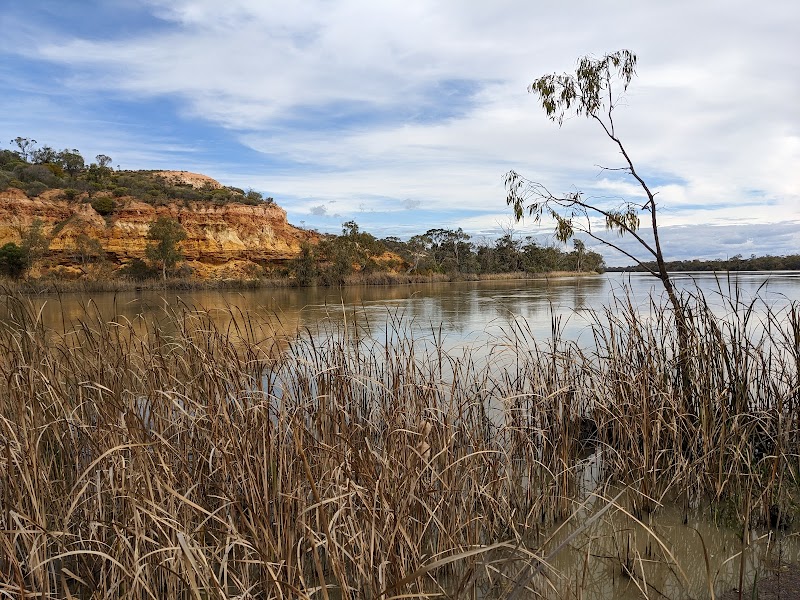
The landscape at Coorong is characterized by its elongated lagoons that are screen-saver worthy, creating a stunning meeting of water and land. Pelicans and other birdlife dot the skies, drawing nature enthusiasts and ornithologists eager to spot some of the rare species that call this haven home. Established in 1966, Coorong National Park holds historical significance and cultural importance to the Ngarrindjeri people, who have cherished this land for generations. Beyond its natural charm, Coorong invites visitors with opportunities for reflection and connection with nature, making it a stand-out destination in South Australia’s outdoor offerings.
Adventure Guide
Adventure Guide To Coorong National Park
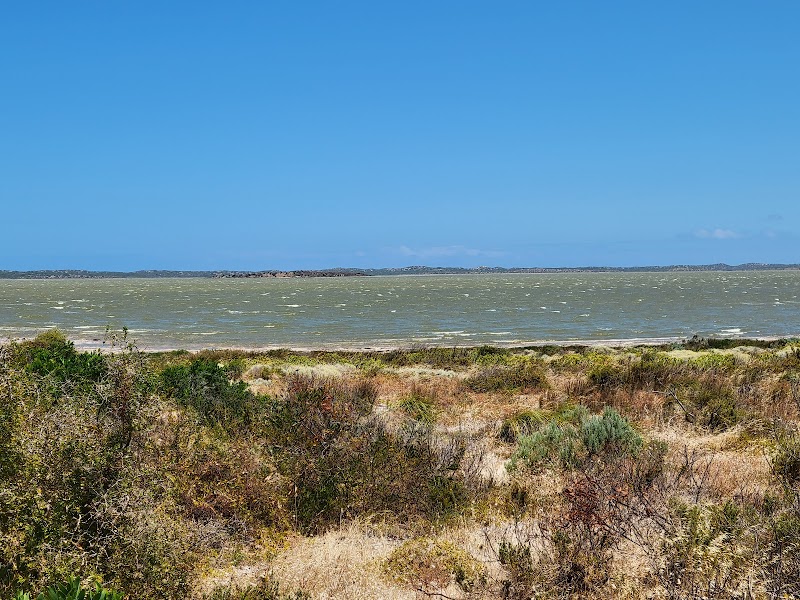
Meningie Lakeside Views
- Special Features: A serene spot with views over Lake Albert. Ideal for relaxing and birdwatching.
- Local Insights: Learn about the Ngarrindjeri culture and its deep connection to the water bodies.
- Visitor Tips: Best visited during early morning or late afternoon for bird activity. Bring binoculars.
Salt Creek Loop Walk
- Special Features: Offers views of sand dunes and coastal scenery.
- Key Features: This 1-hour walk demonstrates the area's unique geology and flora.
- Visitor Tips: Wear sturdy walking shoes and sunscreen. Drive south from Adelaide on the Princes Highway (approx. 2.5 hours).
Kayaking on Coorong Waters
- Special Features: Paddle through stunning lagoons. Great for close encounters with wildlife.
- Visitor Tips: Bring a waterproof camera and sun protection. Check weather conditions and tidal patterns before setting out.
- Local Insights: Engage with local tour providers for guided experiences.
Visitor Tips Summarized
- Best Times to Visit: Spring and autumn offer mild weather and active wildlife.
- What to Bring: Sun protection, camera, sturdy shoes, and birdwatching gear.
Visitor Tips
- Best Times:Spring and Fall for favorable conditions and optimal lighting.
- What to Bring:Plenty of water, sun protection, a camera, and respectful Leave-No-Trace mindset.