About this landmark
Cape Melville: A Coastal Gem in Far North Queensland
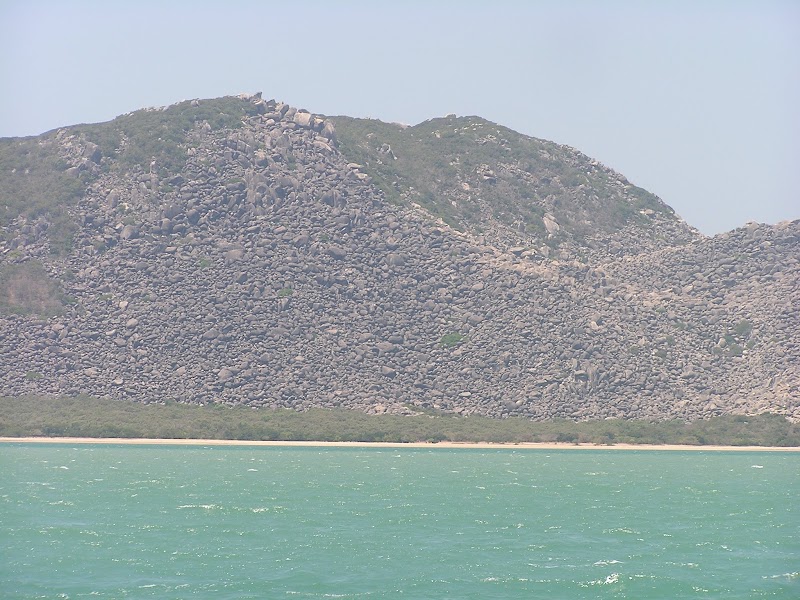
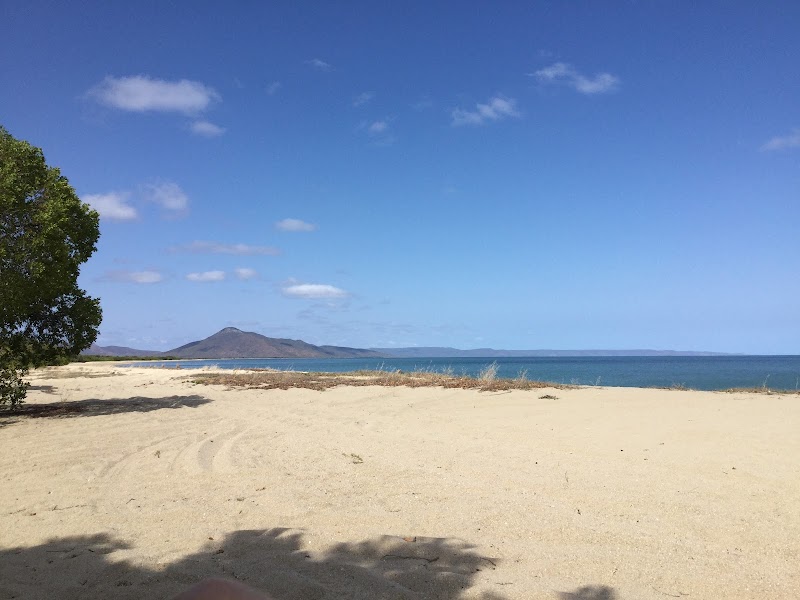
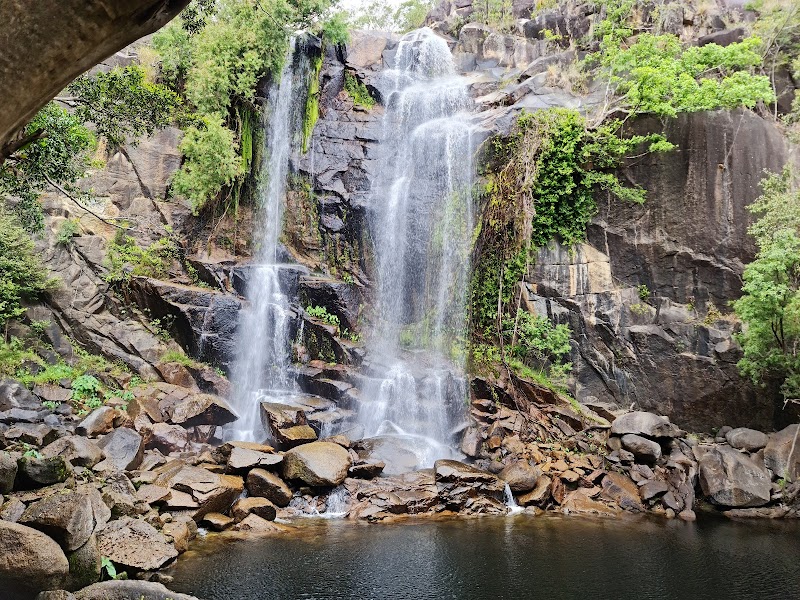
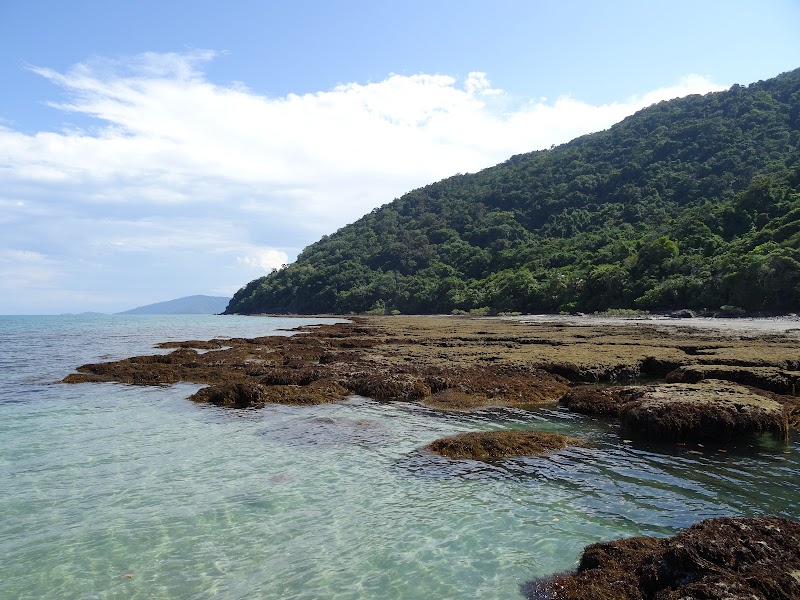
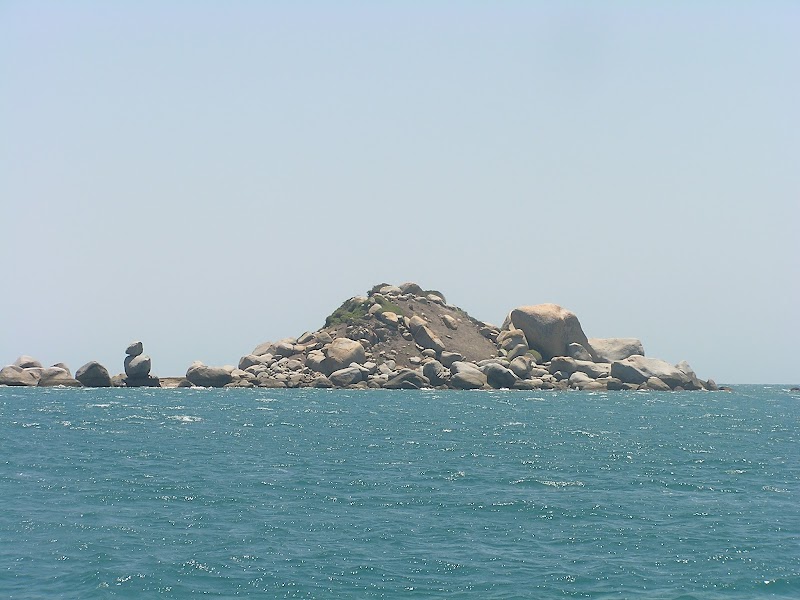
Tucked away in the vast wilderness of Far North Queensland, Cape Melville National Park offers a rugged escape for nature lovers. Characterized by its distinct granite boulder formations and pristine coastal landscapes, this unique destination captivates visitors with its raw beauty. The Melville Range, with its towering rocky outcrops set against the azure expanse of the Coral Sea, creates unforgettable vistas and is home to rare flora and fauna exclusive to this region. Cape Melville’s isolation ensures an untouched feel, allowing adventurers to experience a genuine connection with nature. This area hosts the famous Black Pinacle Rock formations, which, due to weathering processes over millions of years, have formed a captivating landscape not easily found elsewhere. Visitors often delight in sightings of the yellow-spotted monitor and the elusive Cape Melville leaf-tailed gecko. Historically, this region is significant for its ties to Indigenous cultures, who have a deep connection to the land and its natural bounty. Cape Melville is not just a site of natural wonder but a place where history, ecology, and sheer wild beauty come together to create an enchanting escape.
Adventure Guide
Adventure Guide to Cape Melville
- Hiking the Melville Range:
- Special Features: Stunning views of the Coral Sea and unique granite formations.
- Local Insights: Keep an eye out for endemic wildlife, such as the Cape Melville leaf-tailed gecko.
- Visitor Tips: Best visited during the dry season (May to October) to avoid heavy rains. Bring hiking boots, a hat, and plenty of water.
- Wildlife Watching at Bathurst Bay:
- Special Features: Spot diverse marine life including turtles and bird species.
- Local Insights: The bay is a crucial nesting site for many species, providing excellent photography opportunities.
- Visitor Tips: Arrive early morning for the best light and animal activity. Bring binoculars and a camera.
- Camping under the Stars:
- Special Features: Remote camping opportunities offer a true outback experience.
- Local Insights: Choose areas away from cliffs to avoid windy conditions and ensure safety.
- Visitor Tips: Pack insect repellent and a sturdy tent. Campsites are primitive, so bring all necessary supplies. Accessible via four-wheel-drive only; about a 5-hour drive from Cooktown through rugged terrain.
Visitor Tips
- Best Times:Dry Season (May to October) for favorable conditions and optimal lighting.
- What to Bring:Plenty of water, sun protection, a camera, and respectful Leave-No-Trace mindset.