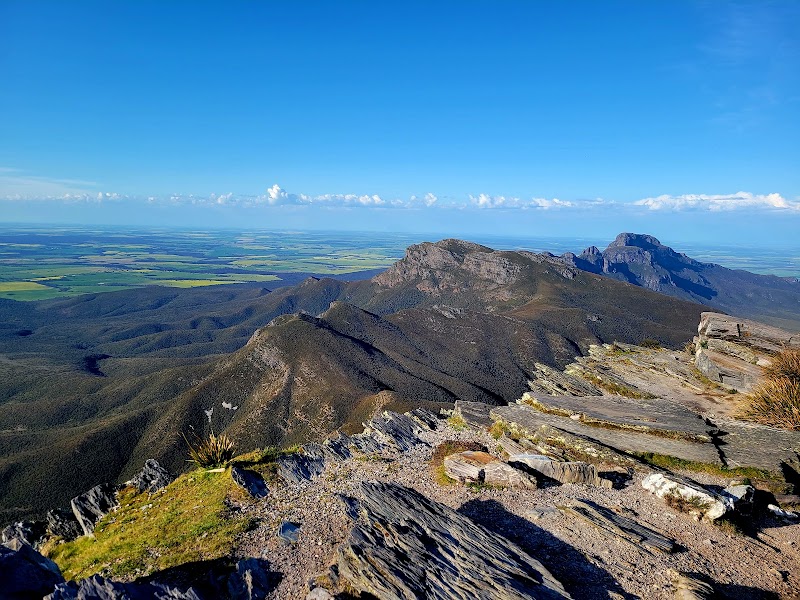
About this landmark
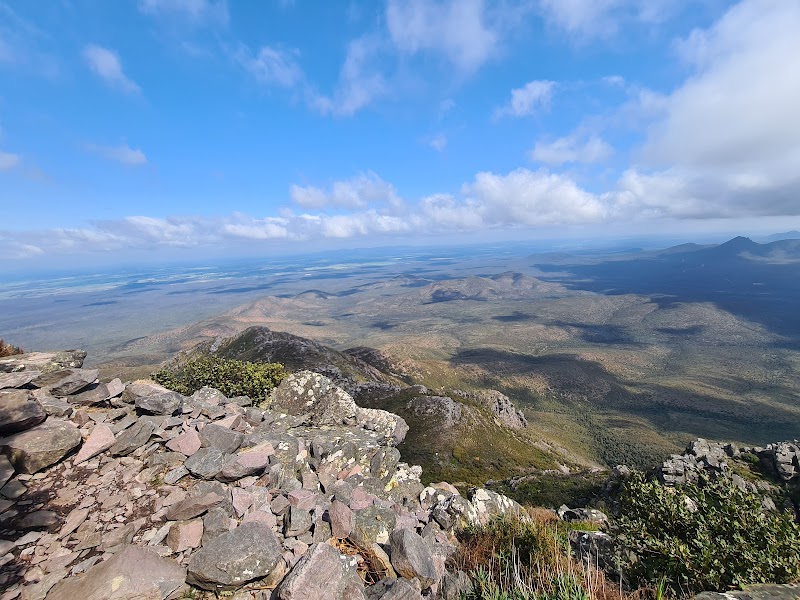
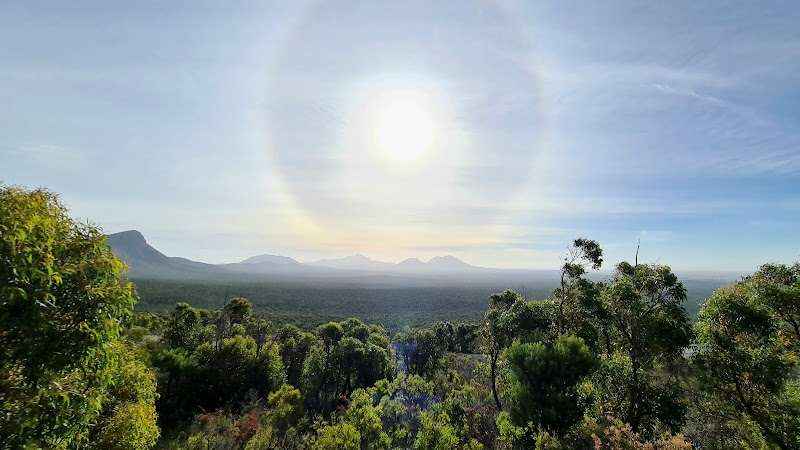
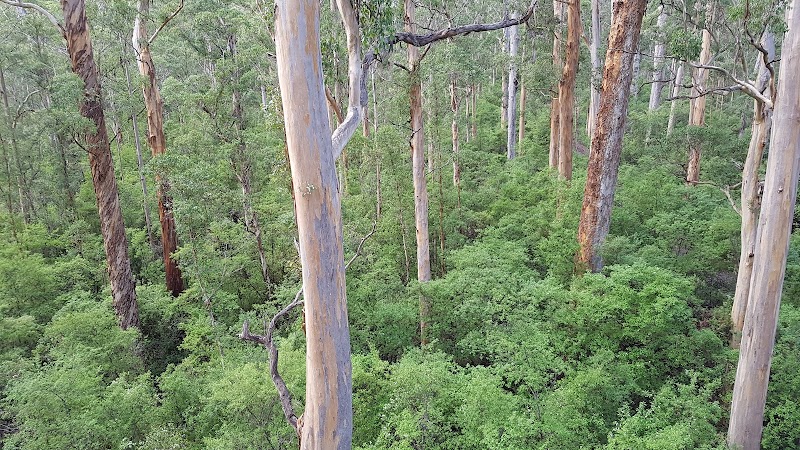
Stirling Range National Park, located in the heart of Western Australia, is a natural oasis known for its breathtaking mountain range and diverse ecosystems. The park boasts the only major mountain range in the southern region of the state, making it a distinctive and remarkable destination. With peaks rising over 1,000 meters, such as the renowned Bluff Knoll, the Stirling Range offers awe-inspiring views and challenging hikes for adventurers. The unique flora within the park, including more than 1,500 species of plants, captivates botanists and nature lovers alike. Visitors can witness a rare collection of endemic wildflowers that paint the landscape with vibrant colors when in bloom.
Additionally, the park's rugged terrain provides a natural habitat for various bird species, offering birdwatchers a chance to spot rare avian life. Established as a national park in 1913, this area holds significant cultural importance for the local Noongar people. Legends and stories of the land echo throughout, adding to its mystique and allure. Stirling Range National Park stands out as a must-visit for those seeking both adventure and serenity amid Australia's unparalleled landscapes.
Adventure Guide
Adventure Guide to Stirling Range National Park
1. Bluff Knoll Hike
- Special Feature: Highest peak in Southwestern Australia.
- Key Features/Amenities: Offers sweeping views, ancient geological formations, and the chance to experience different weather conditions quickly.
- Local Insights: Bluff Knoll often sees dramatic weather changes, creating a unique experience for hikers.
- Visitor Tips: Best visited from November to February for clear trails. Bring layers to accommodate varying temperatures.
2. Stirling Range Ridge Walk
- Special Feature: Challenging hike with panoramic views.
- Key Features/Amenities: Traverse several peaks in a single trail, showcasing rich biodiversity.
- Local Insights: The ridge walk tests fitness levels but rewards hikers with stunning vistas and the chance to spot local wildlife.
- Visitor Tips: Optimal in spring (September-October) for cooler weather and wildflower displays.
3. Wildflower Tours
- Special Feature: Home to rare wildflowers, many not found elsewhere.
- Key Features/Amenities: Guided tours enhance botanical exploration with expert insights.
- Local Insights: Specific flora, such as the Queen of Sheba orchid, draw enthusiasts yearly.
- Visitor Tips: Aim for the spring bloom (August-November). Carry cameras and water.
Directions
- From Albany, follow Chester Pass Road north. Approximately 1.5 hours drive to the park entrance.
Visitor Tips
- Best Times:Spring for favorable conditions and optimal lighting.
- What to Bring:Plenty of water, sun protection, a camera, and respectful Leave-No-Trace mindset.