About this landmark
Postcard-Style Overview: Fitz Roy in Patagonia
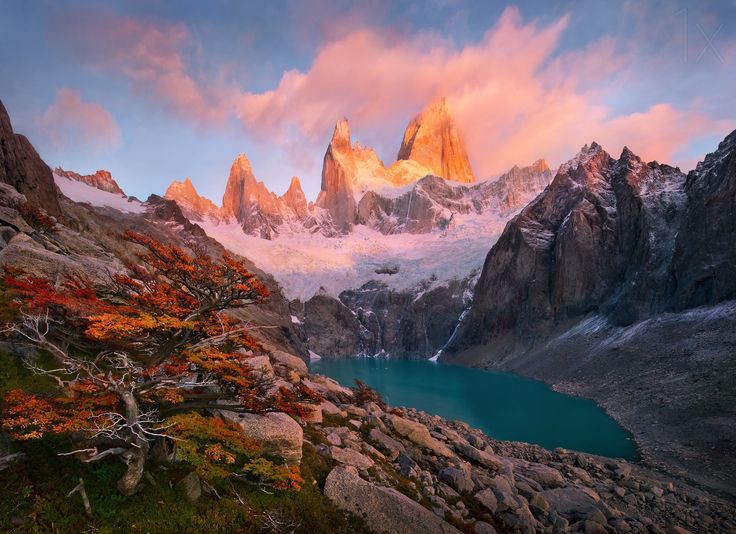
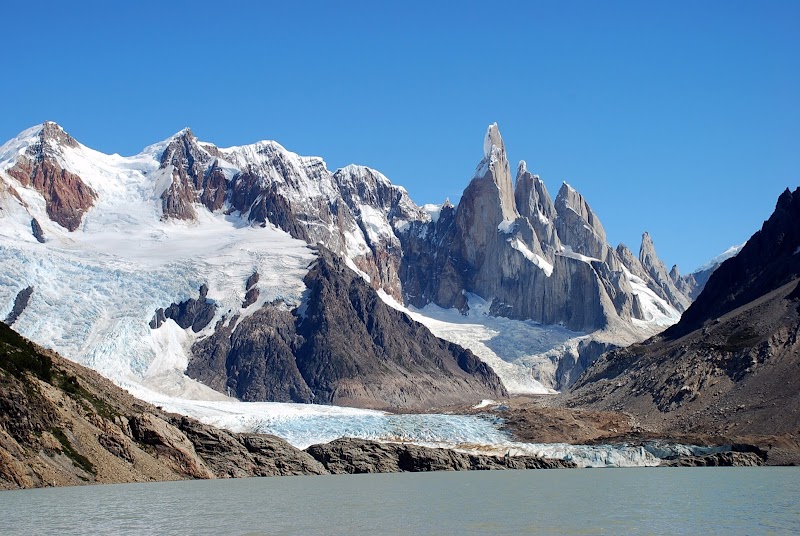
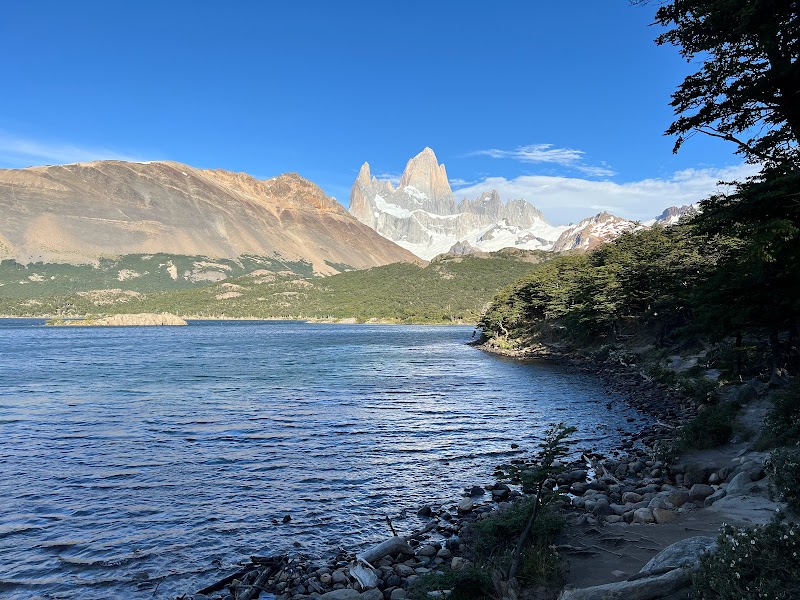
Mount Fitz Roy rises dramatically on the border between Argentina and Chile, within the stunning region of Patagonia. This peak is famous for its sharp granite spires and towering height of 3,405 meters (11,171 feet), making it one of the most recognizable summits in the Southern Patagonian Ice Field. The mountain’s distinctive silhouette attracts climbers and hikers globally, drawn to its raw and rugged beauty.
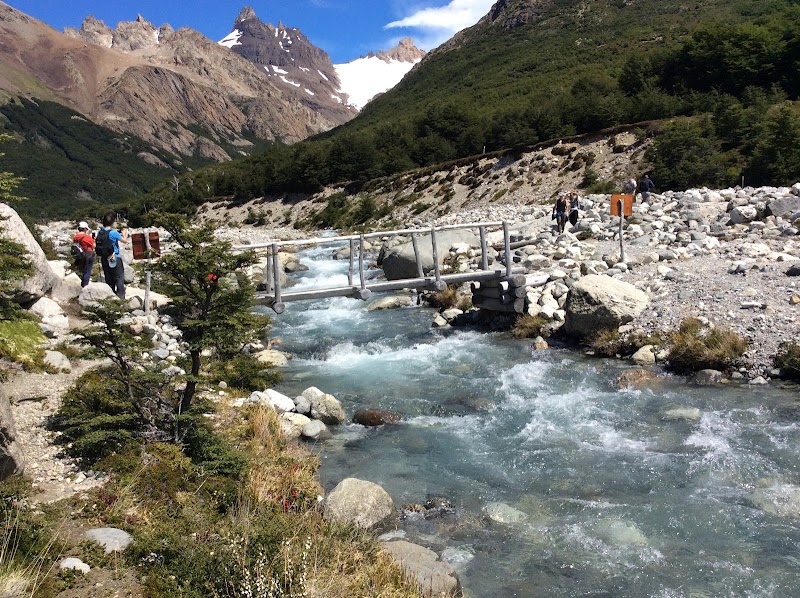
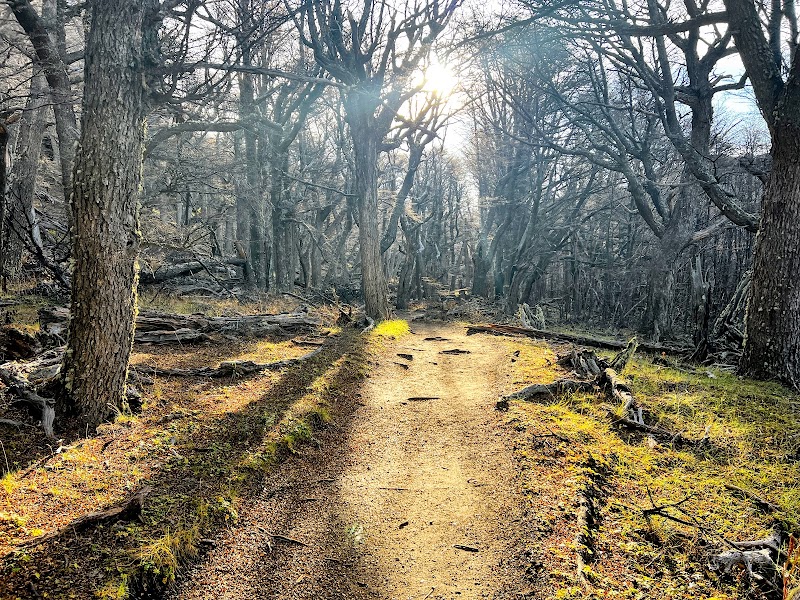
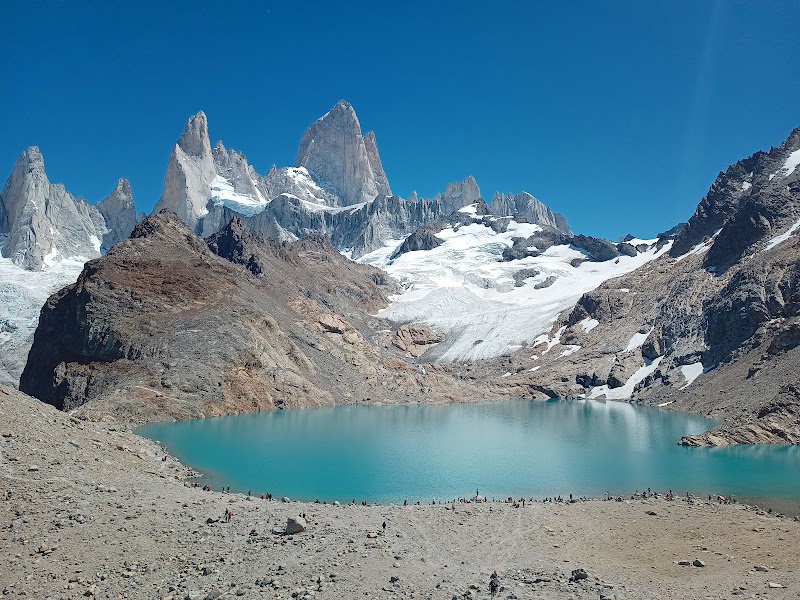
The landscape includes turquoise glacial lakes, with Laguna de los Tres offering some of the most breathtaking reflections of Fitz Roy’s jagged face. The steep granite cliffs challenge even experienced climbers, while trekkers enjoy well-marked yet demanding trails that weave past glaciers, rivers, and native Patagonian flora like lenga beech forests. Wildlife such as guanacos and condors add to the natural richness of the area.
Named after Robert FitzRoy, captain of the HMS Beagle—Charles Darwin’s famous voyage—this mountain carries historical significance alongside its dramatic natural features. The region is part of Los Glaciares National Park, established in 1937, which preserves the wild, pristine environment.
Visitors often describe the hike as long and physically tough, especially the final steep section before reaching the lakes. Early starts are recommended, with many praising the serenity before tour buses arrive. Weather can be unpredictable, with wind and snow possible even in summer months. Fitz Roy remains a must-see destination for travelers seeking impressive scenery and a memorable outdoor challenge in Patagonia’s unmatched wilderness setting.
Adventure Guide To Fitz Roy
1. Laguna de los Tres Hike
- What It Is: A challenging day trek from El Chaltén leading to a stunning lagoon at Fitz Roy’s base.
- Special Features: Panoramic views of the peak mirrored perfectly in the turquoise waters.
- Local Insights: Beginning the hike before sunrise offers tranquility and spectacular light on the mountain.
- Visitor Tips:
- Best time to visit: November to March.
- Bring sturdy boots, layered clothing, snacks, and a camera.
- Expect a 20-30km round trip with steep elevation near the end.
2. Fitz Roy Climbing Expeditions
- What It Is: Technical alpine climbs on Fitz Roy’s granite spires, suited for skilled mountaineers.
- Special Features: Vertical rock faces with variable snow and ice conditions.
- Local Insights: Guided climbs are essential for safety. The window for ideal weather is narrow, mostly late January to February.
- Visitor Tips:
- Bring full climbing gear, ropes, and protective equipment.
- Arrange guides and logistics from El Chaltén.
- Be prepared for rapidly changing conditions.
3. Patagonian Wildlife and Scenic Tours
- What It Is: Guided tours around Fitz Roy’s foothills that focus on native animals and plants.
- Special Features: Opportunities to see guanacos, Andean condors, and unique lenga forests.
- Local Insights: Early morning tours increase chances of wildlife sightings.
- Visitor Tips:
- Best seasons: Spring and early summer.
- Carry binoculars, insect repellent, and wildlife guides.
- Starting point: El Chaltén, easy access by road.
Getting There: Fitz Roy is accessible via El Chaltén, around a 3-hour drive north from El Calafate airport. Roads are well maintained but expect gravel in parts. Arrive early to avoid crowds on popular trails.
Practical Advice: Carry layered clothes for sudden temperature shifts, plenty of water (refill from glacier-fed streams along trails), snacks, and sun protection. Hiking poles are available for rent in El Chaltén to help with steep sections.
Fitz Roy’s towering granite peaks and crystal-clear glacial lakes create an unforgettable destination for outdoor enthusiasts visiting Patagonia’s wild heart.
Visitor Tips
- Best Times:Spring and Summer for favorable conditions and optimal lighting.
- What to Bring:Plenty of water, sun protection, a camera, and respectful Leave-No-Trace mindset.