Wilderness Landscape & Natural Heritage
Somes Island, known as Matiu to the indigenous Māori people, is located in Wellington Harbour, New Zealand. The island covers about 21 hectares and serves as a significant wildlife sanctuary and conservation area, primarily focused on protecting native flora and fauna by maintaining a pest-free environment. Historically, the island has a rich past — it served as a quarantine station, an internment camp during World War II, and a site of scientific research. Today, it is managed by the Department of Conservation with collaboration from local iwi (tribes), particularly Ngāti Toa Rangatira.
The island's geography is characterized by hilly terrain and coastal cliffs, surrounded by beaches and sheltered coves. Vegetation on Matiu/Somes has been restored since the removal of introduced species, helping native plants like pōhutukawa and flax to thrive. This environment supports endangered species such as the little spotted kiwi, tuatara, and various native birds and invertebrates. Visitors can explore interpretive walking tracks that lead to historic relics including quarantine buildings, gun emplacements, and lighthouses.
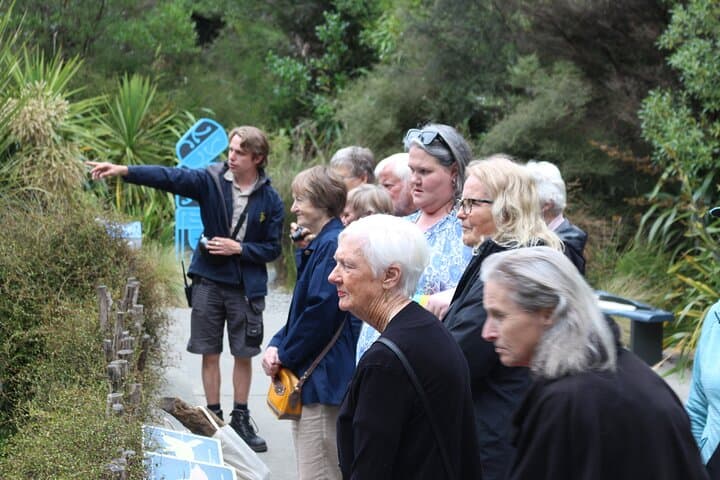
Regular ferry services from Wellington city allow day visitors and occasional overnight campers to access the island, making it a popular spot for hiking, bird watching, educational tours, and marine life observation. The island's isolation from the mainland and eradication of introduced predators make it a vital refuge where native wildlife can flourish, offering a rare opportunity to experience New Zealand's natural heritage close to the capital city.