Wilderness Landscape & Natural Heritage
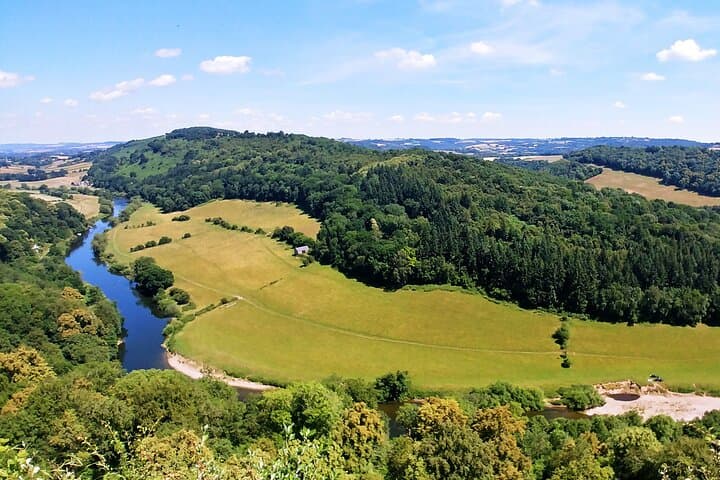
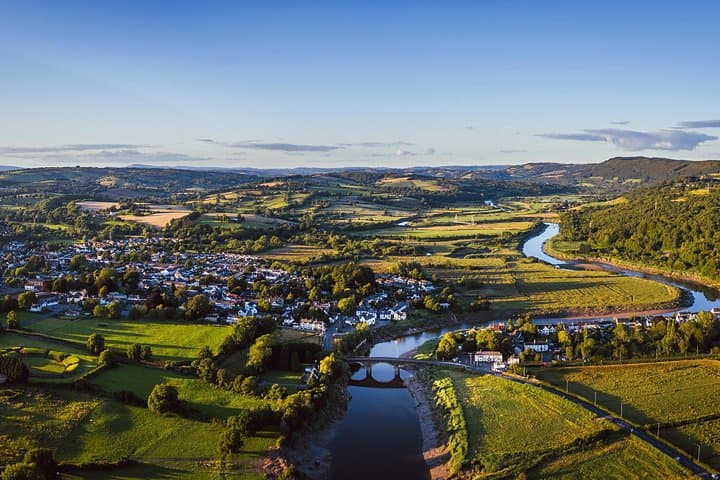
The River Wye Special Area of Conservation (SAC) spans approximately 270 kilometers along the River Wye and its tributaries, running through parts of England and Wales. It is one of the most ecologically significant river systems in the UK, designated to protect habitats and species of European importance. The river flows through a variety of landscapes, from upland areas near its source in Mid Wales, through rolling countryside and dramatic limestone gorges, to its tidal estuary near Chepstow on the Severn estuary. The Wye supports a rich range of wildlife, including notable populations of otters, Atlantic salmon, various species of lampreys, and several rare freshwater mollusks and aquatic plants. These species rely on the clean, well-oxygenated waters and the river’s complex morphology, including gravel beds and shaded riverbanks. The area holds archaeological and cultural significance, with historic towns such as Ross-on-Wye and Hereford featuring along its banks. The Wye Valley is a popular destination for outdoor enthusiasts, with activities such as angling—especially for salmon and trout—canoeing, birdwatching, hiking along adjacent footpaths like the Wye Valley Walk, and photography. The river’s scenic gorges and wooded valleys provide stunning views and varied terrain for visitors. Conservation efforts focus on maintaining water quality, managing riparian habitats, and protecting sensitive species from the impacts of development, agriculture, and recreational pressure. Visitor appeal lies in its combination of rich natural diversity and accessible outdoor recreation intertwined with the heritage and geography of this iconic river corridor.