Wilderness Landscape & Natural Heritage
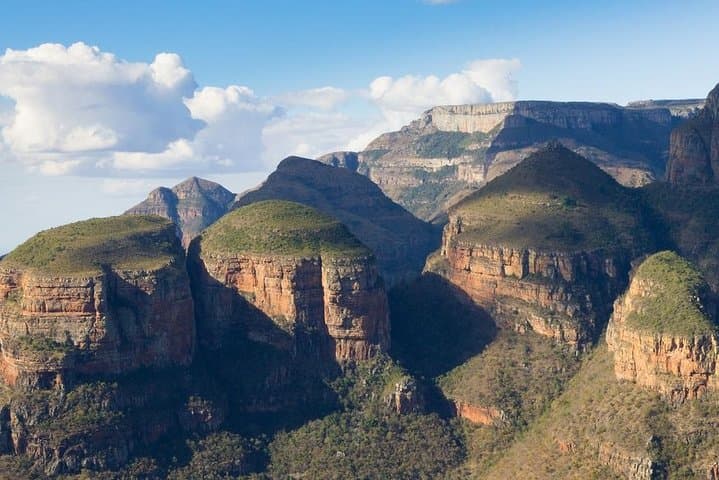
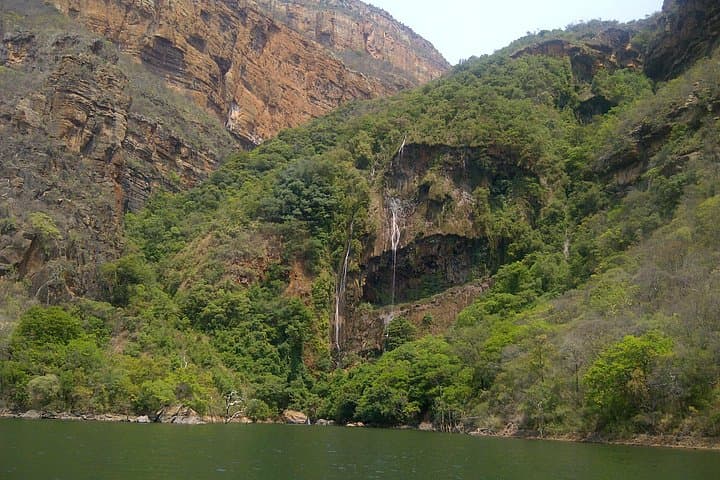
The Mpumalanga Escarpment Biosphere Reserve is a designated UNESCO biosphere reserve located along the western edge of the Drakensberg Mountains in South Africa's Mpumalanga province. It protects a significant portion of the Eastern Highveld escarpment, where steep cliffs rise abruptly from the Lowveld, creating one of the most striking geological formations in Southern Africa. The area includes large tracts of indigenous forests, grasslands, and wetlands, supporting several endemic and threatened plant and animal species. Notably, the reserve incorporates parts of prominent protected areas such as Blyde River Canyon Nature Reserve and Abel Erasmus Pass, featuring diverse habitats ranging from mist forests to savanna woodlands. The region is renowned for its rich birdlife, including species like the endangered Cape vulture and various biome-restricted birds. It also harbors important mammal populations such as eland, bushbuck, and various small antelope species. Visitors are drawn to the reserve for its extensive network of hiking and mountain biking trails that offer panoramic vistas of escarpment cliffs, waterfalls, and the Blyde River Canyon – Africa’s third-largest canyon. Cultural heritage is also prominent, with evidence of San rock art and historic rural settlements adding to the reserve's appeal. Outdoor enthusiasts can explore waterfalls such as the Lisbon and Berlin Falls, engage in birdwatching, and enjoy scenic drives along the Long Tom Pass and Abel Erasmus Pass. The biosphere reserve framework promotes sustainable tourism and community involvement, balancing ecological conservation with socio-economic development in the Mpumalanga Escarpment region.