About this landmark
Discover the Blyde River Canyon
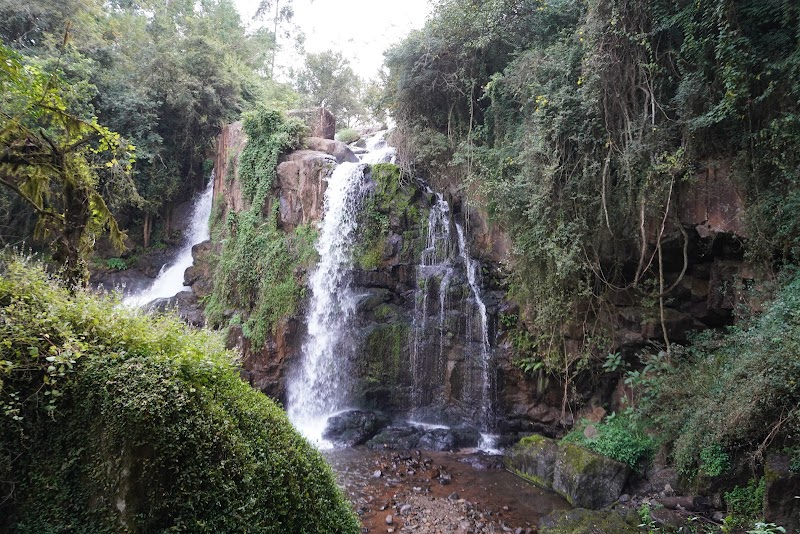
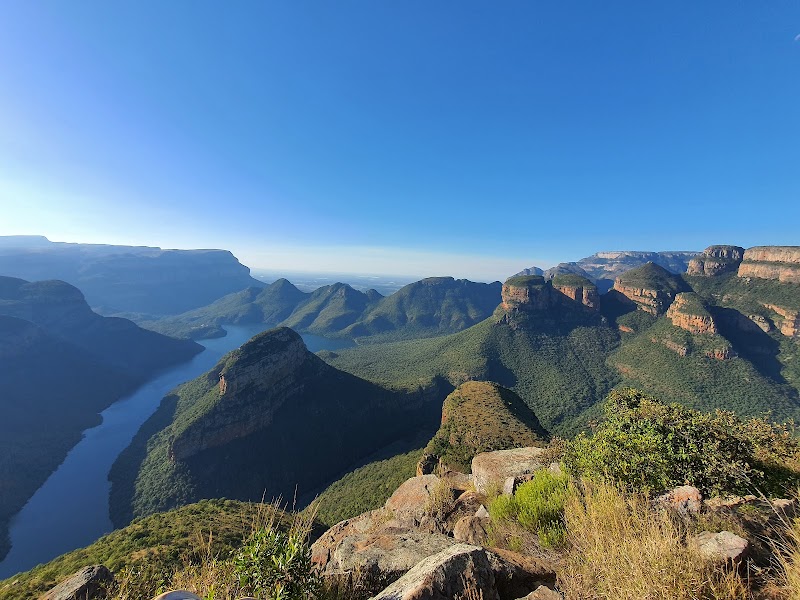
Blyde River Canyon, located in Mpumalanga, South Africa, is an awe-inspiring natural spectacle that is sure to captivate any visitor. Renowned as one of the largest canyons on Earth and the largest 'green' canyon due to its lush foliage, this geological wonder stretches over 25 kilometers (15 miles) and is characterized by its towering red cliffs and verdant landscapes.
The canyon is part of the greater Drakensberg Escarpment and provides a striking contrast against the deep blue of the Blyde River. An iconic feature is the Three Rondavels, unique rock formations that resemble traditional African huts. From this vantage point, visitors can appreciate not only nature's artistry but the sheer scale of the canyon itself.
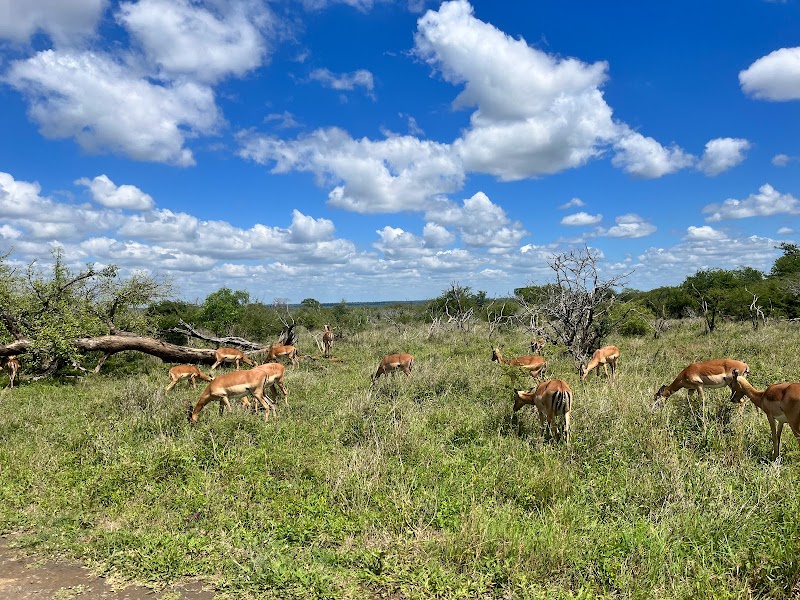
Blyde River Canyon is a haven for diverse flora and fauna, including rare sightings of the Taita falcon. The canyon's ecosystem is vibrant and sustained, in part, by the river that carves its way through the majestic cliffs.
For a captivating journey through South Africa's natural beauty, Blyde River Canyon offers a truly unforgettable experience.
Adventure Guide to Blyde River Canyon
Hiking the Canyon
Location: Numerous trails throughout Blyde River Canyon.
Special Features:
- Trails like the Leopard Trail offer breathtaking vistas.
- Specific paths navigate through different terrains, from forests to rugged cliffs.
Visitor Tips:
- Best visited in the dry season, from May to September.
- Bring hiking boots, sunscreen, and ample water.
- Accessible by road from Johannesburg (approximately 5 hours by car).
Blyde Dam Boat Cruise
Location: Blyde Dam, within the canyon.
Special Features:
- Cruises provide unique views of the canyon walls and Three Rondavels.
- Insight into local wildlife along the water.
Visitor Tips:
- Operates year-round; morning trips offer calm and cooler temperatures.
- Bring binoculars for wildlife spotting.
Bourke’s Luck Potholes
Location: Near the mouth of the Blyde River Canyon.
Special Features:
- Intriguing rock formations created by swirling water erosion.
- Educational displays explaining geological processes.
Visitor Tips:
- Ideal for photography enthusiasts.
- Keep shoes with good grip for navigating slippery areas.
Visitor Tips
- Best Times:Dry Season (May to September) for favorable conditions and optimal lighting.
- What to Bring:Plenty of water, sun protection, a camera, and respectful Leave-No-Trace mindset.