Wilderness Landscape & Natural Heritage
The Bay of Fundy Coastline Conservation Zones encompass critical coastal habitats along the shores of New Brunswick, Nova Scotia, and parts of Maine. This area is distinguished by the highest tidal range on the planet, reaching up to 50 feet, which creates unique intertidal ecosystems that support diverse flora and fauna. The zone includes a mosaic of salt marshes, mudflats, rocky shorelines, and coastal forests, which serve as important stopover sites for migratory birds, nursery grounds for fish species, and habitat for rare and endangered wildlife such as the Atlantic salmon, eastern mountain dusky salamander, and several shorebird species. These protected zones also include offshore islands and estuarine environments critical for ecological health.
Historically, the coastline supported Indigenous communities such as the Mi'kmaq and Maliseet peoples, who have long-standing cultural ties to the land and waters. European settlement introduced fishing, shipbuilding, and later tourism, all of which have shaped the coastal landscape. Today, conservation efforts focus on balancing community livelihoods with habitat protection and climate resilience.
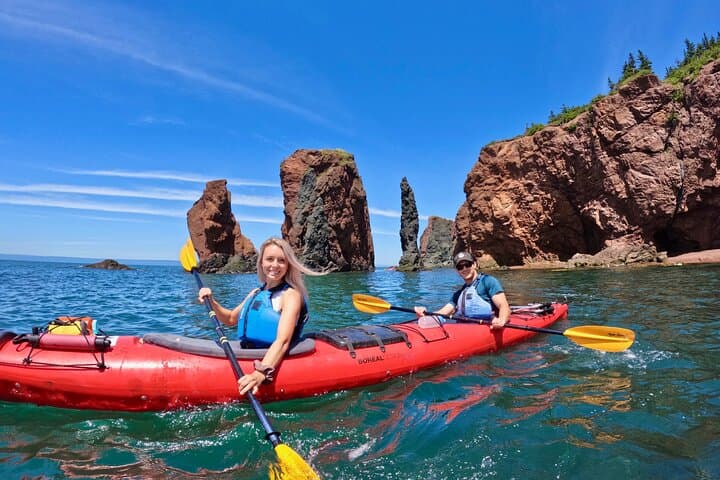
Outdoor recreation opportunities within these zones include tidal mudflat exploration, birdwatching along designated trails, guided kayak tours through sheltered inlets, and interpretive programs highlighting the area’s natural history. Notable landmarks include the Hopewell Rocks Provincial Park with its famous flowerpot formations, Fundy National Park adjacent coastal sites, and the Shepody National Wildlife Area. The area’s extraordinary tides, rich ecosystems, and cultural heritage offer a unique experience for visitors interested in coastal ecology and scenic outdoor activities.