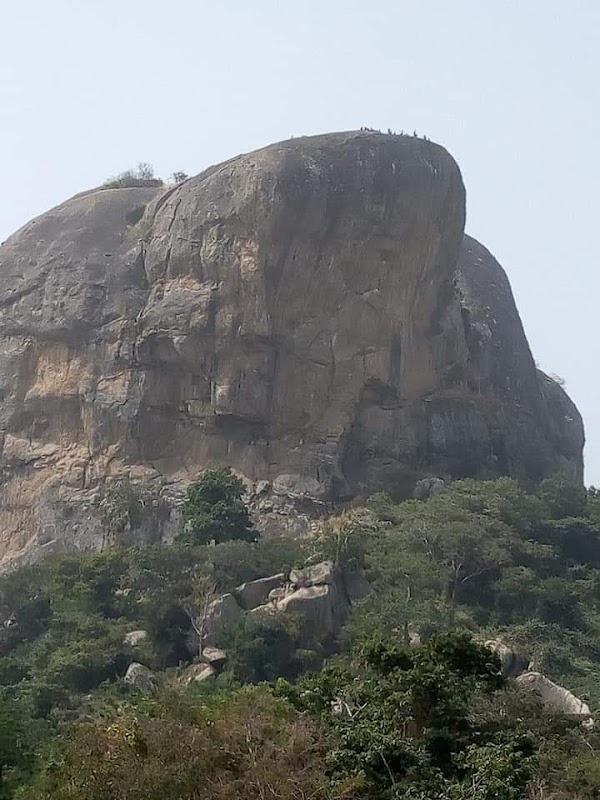
About this landmark
Kogi, located in the heart of Nigeria, is a captivating region where nature unfolds in its most vibrant form. The lush landscapes of Kogi offer a unique tapestry of rolling hills and sprawling green expanses that make it a standout destination for nature enthusiasts. The confluence of two of Africa’s greatest rivers, the Niger and the Benue, occurs here, creating a breathtaking spectacle and a significant ecological landmark. The landscape is dotted with intriguing rock formations, such as the popular Aso Rock, and the expansive vegetation is home to diverse flora and fauna, making Kogi a place of immense natural beauty. A cultural hotspot, Kogi also carries the echoes of history with several ancient sites offering a glimpse into the past of this rich region.
Adventure Guide
Adventure Guide to Kogi
Confluence of Niger and Benue Rivers
- Special Feature: Witness the unique merging of these two great rivers, a sight that captivates with its sheer scale and natural beauty.
- Local Insight: This confluence is not only a visual spectacle but a vital ecological area that supports numerous bird species.
- Visitor Tips: Best viewed during the dry season (November to April) for clear skies. Bring binoculars for birdwatching.
Hiking Up Mount Patti
- What’s Special: Offers panoramic views of the surrounding landscapes and Lokoja town below.
- Key Features: Well-marked trails lead to a summit with exceptional vantage points.
- Visitor Tips: Early morning hikes are ideal to catch the sunrise. Wear comfortable hiking shoes and bring water.
Kogi River Excursions
- Special Feature: Scenic river cruising allows for leisurely exploration of Kogi’s waterways.
- Key Features: Abundant wildlife sightings along with cultural stops at riverside communities.
- Visitor Tips: Sunscreen and hats are advised. Hire local guides for an enriched experience.
Travel Tips
- Getting There: Kogi is a 3-hour drive from Abuja, easily accessible by car. Embrace the journey for the scenic views along the way.
Visitor Tips
- Best Times:Dry Season (November to April) for favorable conditions and optimal lighting.
- What to Bring:Plenty of water, sun protection, a camera, and respectful Leave-No-Trace mindset.