THE ADVENTURE COLLECTIVE® · Independent discovery and booking for outdoor travel

Discover Gurara Falls on a full-day trip from Abuja — a waterfall that shifts from gentle pools to a roaring torrent with the seasons. This guide covers what to expect, local history, and practical tips for swimming, photos, and staying safe.
Discover Gurara Falls on a full-day trip from Abuja — a waterfall that shifts from gentle pools to a roaring torrent with the seasons. This guide covers what to expect, local history, and practical tips for swimming, photos, and staying safe.
The trail opens with the rumble of water long before you see it — a low, rolling voice that grows into a single curtain as the path drops toward the gorge.
Verified experiences and guided adventures in the surrounding area.
Operated by GRAVEL SPRINGS LTD · Gurara Falls (Suleja area), Niger State
The trail opens with the rumble of water long before you see it — a low, rolling voice that grows into a single curtain as the path drops toward the gorge.
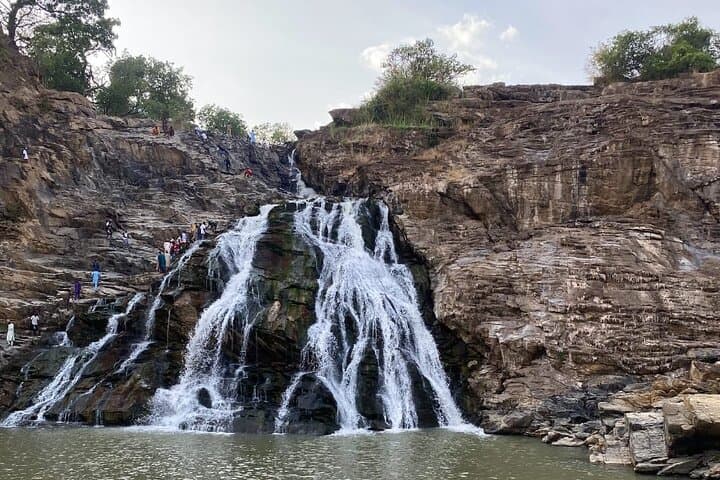
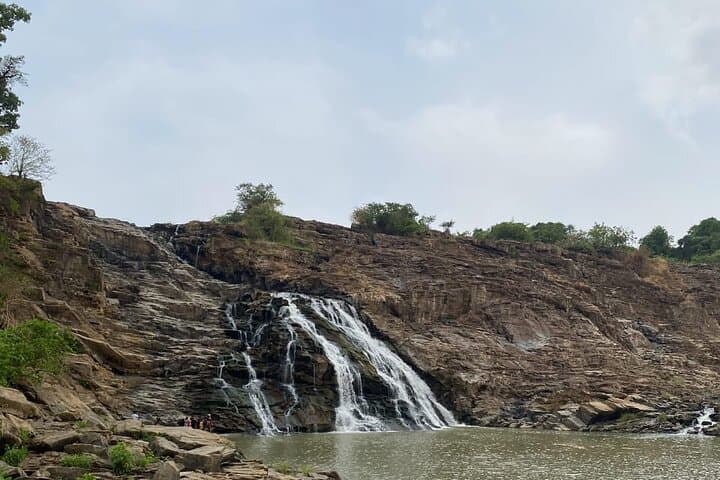
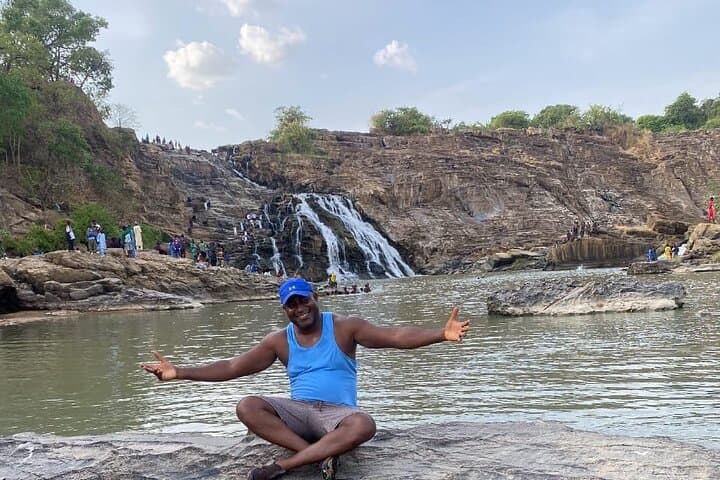
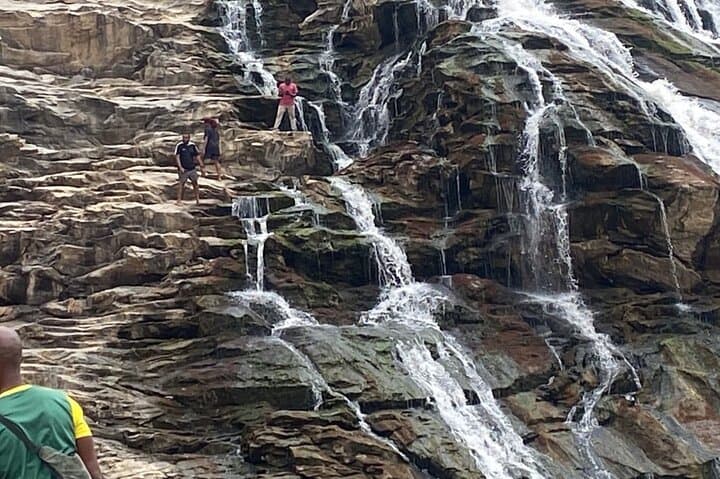
At Gurara Falls the river dares you closer: in the dry months it threads gentle pools perfect for cooling off; in the rains it becomes a white sheet, pushing spray into the trees. The cliffs are volcanic and lateritic rock carved over millennia, layered with sediment and peppered with resilient shrubs and fig trees that cling to seams. The falls sit on Gurara River, a lifeline historically used by Gbagyi and neighboring communities for fishing and seasonal farming; local villages around the site still sell snacks and handmade crafts.
Expect broad viewing ledges and a short walk from the parking area; guides will point out small caves and a higher overlook where you can watch waterbirds hunt in the foam. Wildlife is subtle here — troop-moving primates and kingfishers are common — and the place feels alive, as if the current is keeping time for the valley.
Practical side: this is a full-day outing from Abuja (6–8 hours). Wear grippy shoes for wet rock, bring layered sun protection, and carry at least 1–2 liters of water. Swimming is possible in calm pools but avoid strong flows and never jump from untested heights. Respect local vendors and sacred spots, pack out trash, and time visits for morning or late afternoon light to avoid mid-day heat and the busiest crowds.
easy.
6–8 hours.
Suitable for most fitness levels; requires short, uneven walks and standing on rocky viewing areas.
It’s about a 1–1.5 hour drive depending on traffic and your starting point in Abuja; tours typically run as full-day trips (6–8 hours round-trip).
Yes in calm pools during the dry season, but avoid swimming when flows are high or water is murky; always follow your guide’s advice.
Basic vendor stalls and occasional rest stops exist near the falls, but restrooms and food options are limited—plan accordingly.
Generally yes for those with basic mobility; there are uneven paths and some stone steps, so inform the operator of special needs ahead of booking.
Gurara Falls sits on lands historically used by Gbagyi and nearby communities; the river supported seasonal fishing and small-scale agriculture that shaped local settlement patterns.
Visitors are asked to pack out waste, avoid altering rock or plant life, and respect riverside sacred sites; stronger flows during the rainy season make erosion and littering more damaging.
GRAVEL SPRINGS LTD operates guided outdoor trips and adventures with an emphasis on safety, stewardship, and memorable experiences.
The trail opens with the rumble of water long before you see it — a low, rolling voice that grows into a single curtain as the path drops toward the gorge.
The trail opens with the rumble of water long before you see it — a low, rolling voice that grows into a single curtain as the path drops toward the gorge.
At Gurara Falls the river dares you closer: in the dry months it threads gentle pools perfect for cooling off; in the rains it becomes a white sheet, pushing spray into the trees. The cliffs are volcanic and lateritic rock carved over millennia, layered with sediment and peppered with resilient shrubs and fig trees that cling to seams. The falls sit on Gurara River, a lifeline historically used by Gbagyi and neighboring communities for fishing and seasonal farming; local villages around the site still sell snacks and handmade crafts.
Expect broad viewing ledges and a short walk from the parking area; guides will point out small caves and a higher overlook where you can watch waterbirds hunt in the foam. Wildlife is subtle here — troop-moving primates and kingfishers are common — and the place feels alive, as if the current is keeping time for the valley.
Practical side: this is a full-day outing from Abuja (6–8 hours). Wear grippy shoes for wet rock, bring layered sun protection, and carry at least 1–2 liters of water. Swimming is possible in calm pools but avoid strong flows and never jump from untested heights. Respect local vendors and sacred spots, pack out trash, and time visits for morning or late afternoon light to avoid mid-day heat and the busiest crowds.