THE ADVENTURE COLLECTIVE® · Independent discovery and booking for outdoor travel

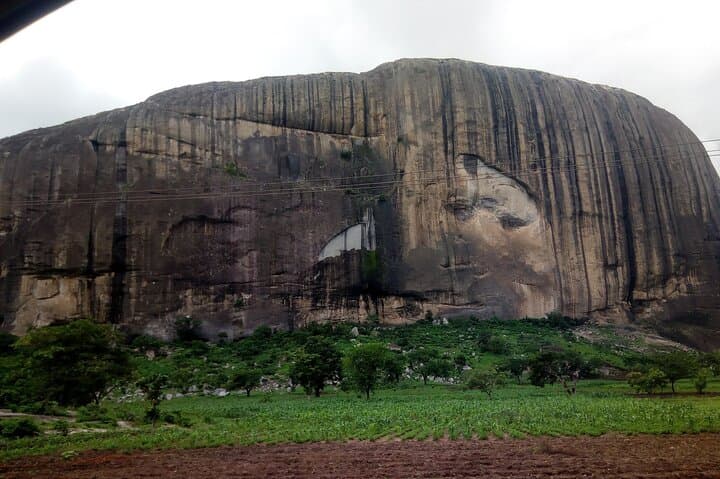
Stand beneath the human-like face of Zuma Rock and hike steep granite ribs that rise above the Abuja plain. This short, guided climb combines raw geology, cultural stories, and broad views—ideal for a half-day outing from the city.
Stand beneath the human-like face of Zuma Rock and hike steep granite ribs that rise above the Abuja plain. This short, guided climb combines raw geology, cultural stories, and broad views—ideal for a half-day outing from the city.
The day opens on a flat savanna interrupted by a single, enormous face of stone—Zuma Rock looms above the highway like a weathered guardian daring you to approach. Dust lifts under your boots as guide and driver lead across scrub and broken sandstone, the rock’s shadow lengthening while wind threads through shallow gullies, urging a measured pace.
Verified experiences and guided adventures in the surrounding area.
Operated by Toogoodtravels Nigeria · Abuja, Federal Capital Territory
The day opens on a flat savanna interrupted by a single, enormous face of stone—Zuma Rock looms above the highway like a weathered guardian daring you to approach. Dust lifts under your boots as guide and driver lead across scrub and broken sandstone, the rock’s shadow lengthening while wind threads through shallow gullies, urging a measured pace.
Geology here is blunt and ancient: a granitic outcrop formed by intrusions and erosion, its sculpted ridges and deep fissures record millennia of weather. For the Gbagyi and surrounding communities the rock is more than a landmark; it’s a cultural reference point—so familiar it sits on the 100 Naira note and in local stories that point to ancestral ties and rites of passage.
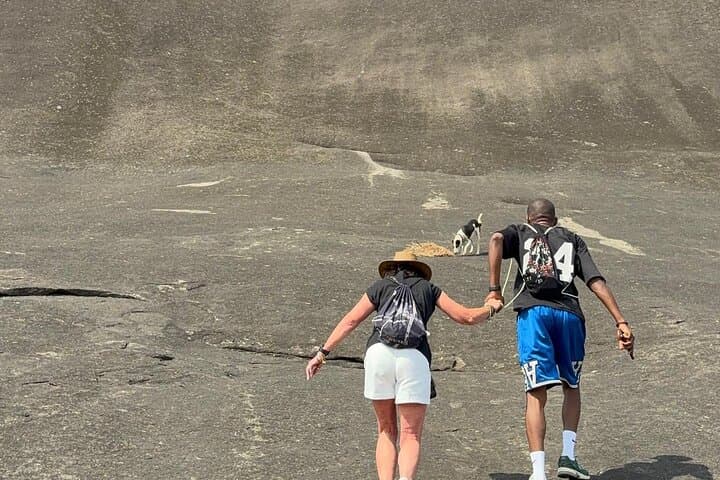
The route climbs over mixed terrain—packed earth, slabs and loose scree—with short steep pitches that ask for steady footing rather than technical gear. Expect 1–2 hours of active hiking at the rock face itself; the full excursion including transfers runs about 2–3 hours. Watch for hot sun and sudden wind along exposed ribs; the face gives dramatic views back toward Abuja and the surrounding plains.
Practical guidance: wear grippy footwear, carry at least 1–2 liters of water, and bring a sun hat and sunscreen. Travel early or late afternoon to avoid peak heat. Respect local customs and stick to established paths—guides often know the safest lines and best photo vantage points. If you want a quiet moment, ask to pause at the north ridge: the view across the plain is wide and raw, and the rock’s silhouette will feel unusually close.
moderate.
2–3 hours.
Moderate fitness—able to handle short steep sections and uneven rock for up to 90–120 minutes of active hiking.
The guided visit typically includes about 60–120 minutes of walking at the rock (short uphill pitches and scramble sections) within a 2–3 hour half-day tour including transfers.
The route is non-technical but features steep, rocky sections and loose scree—good footwear and a moderate level of fitness are recommended; guides choose safer lines.
Families with older adults or young children should assess mobility—children often manage shorter sections but seniors with mobility or heart issues may find it strenuous.
Visits are usually managed by local guides or tour operators who include access in the booking; confirm pickup and any entrance fees when you book.
Zuma Rock is a prominent granitic monolith long known to local ethnic groups and is depicted on Nigeria’s 100 Naira note, serving as a cultural landmark at the gateway to Abuja.
Visitor impact is concentrated around the base and paths; stick to trails, pack out litter, and follow guide instructions to limit erosion and graffiti.
Toogoodtravels Nigeria operates guided outdoor trips and adventures with an emphasis on safety, stewardship, and memorable experiences.


The day opens on a flat savanna interrupted by a single, enormous face of stone—Zuma Rock looms above the highway like a weathered guardian daring you to approach. Dust lifts under your boots as guide and driver lead across scrub and broken sandstone, the rock’s shadow lengthening while wind threads through shallow gullies, urging a measured pace.
The day opens on a flat savanna interrupted by a single, enormous face of stone—Zuma Rock looms above the highway like a weathered guardian daring you to approach. Dust lifts under your boots as guide and driver lead across scrub and broken sandstone, the rock’s shadow lengthening while wind threads through shallow gullies, urging a measured pace.
Geology here is blunt and ancient: a granitic outcrop formed by intrusions and erosion, its sculpted ridges and deep fissures record millennia of weather. For the Gbagyi and surrounding communities the rock is more than a landmark; it’s a cultural reference point—so familiar it sits on the 100 Naira note and in local stories that point to ancestral ties and rites of passage.
The route climbs over mixed terrain—packed earth, slabs and loose scree—with short steep pitches that ask for steady footing rather than technical gear. Expect 1–2 hours of active hiking at the rock face itself; the full excursion including transfers runs about 2–3 hours. Watch for hot sun and sudden wind along exposed ribs; the face gives dramatic views back toward Abuja and the surrounding plains.
Practical guidance: wear grippy footwear, carry at least 1–2 liters of water, and bring a sun hat and sunscreen. Travel early or late afternoon to avoid peak heat. Respect local customs and stick to established paths—guides often know the safest lines and best photo vantage points. If you want a quiet moment, ask to pause at the north ridge: the view across the plain is wide and raw, and the rock’s silhouette will feel unusually close.