About this landmark
Longonot Volcano Crater: A Natural Marvel near Nakuru, Kenya
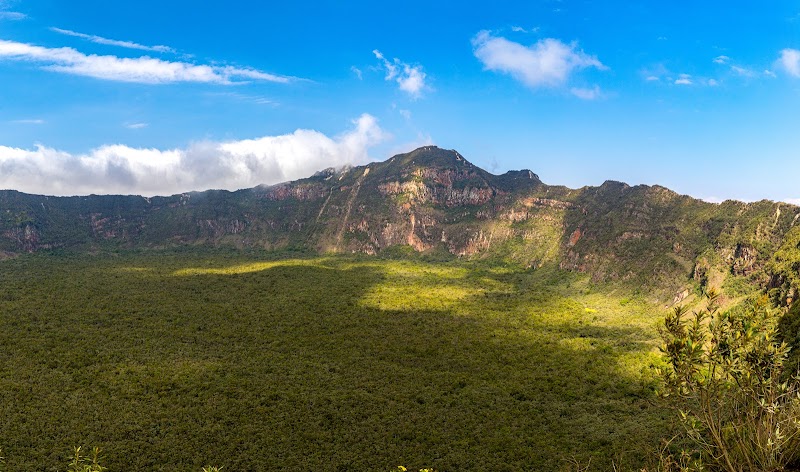
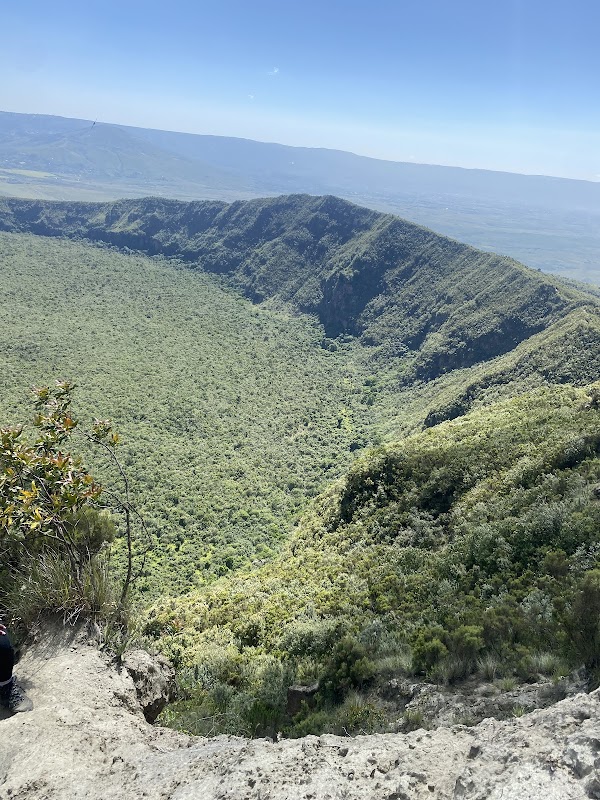
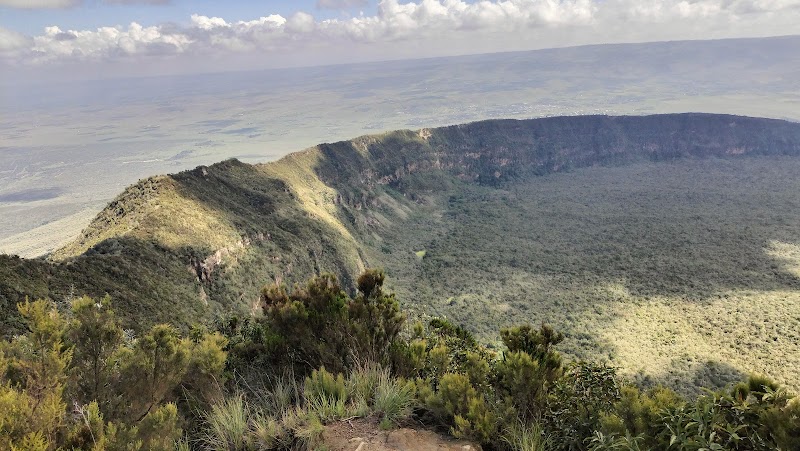
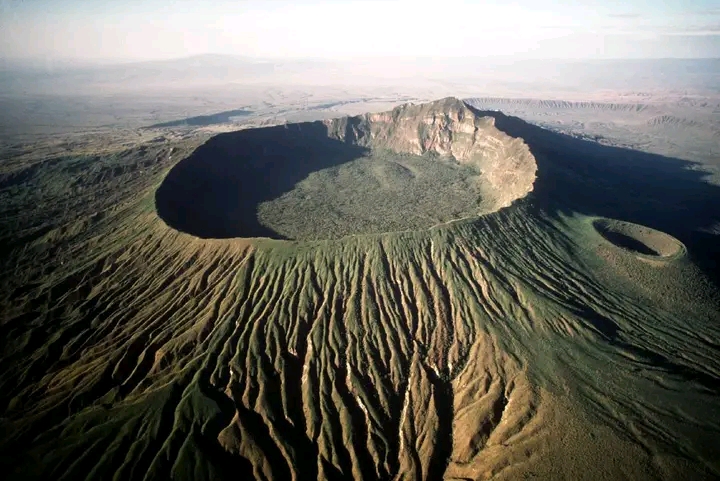
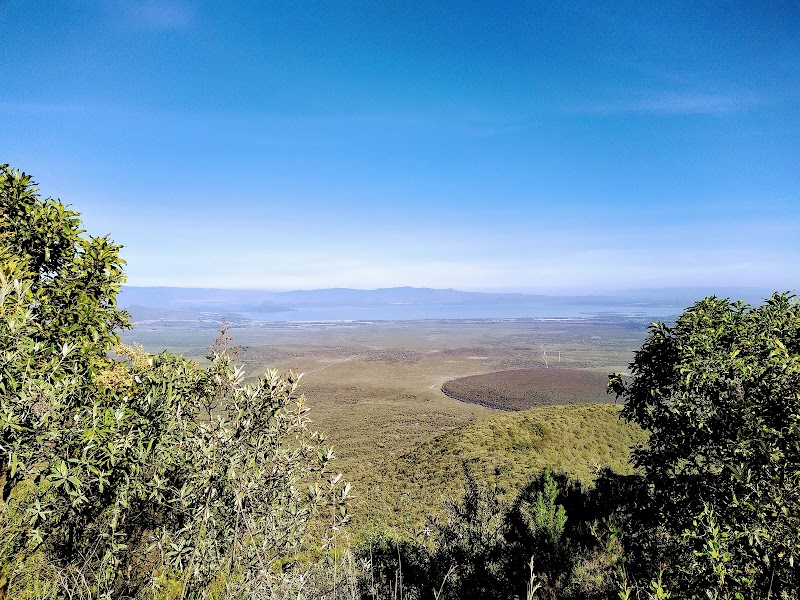
Longonot Volcano Crater, located in the Great Rift Valley near Nakuru, Kenya, is a must-visit natural attraction. Rising to 2,776 meters, Mount Longonot is a dormant stratovolcano offering breathtaking panoramic views of the surrounding valleys and Lake Naivasha. This stunning geological feature is shaped by steep slopes and a unique caldera, making it a standout destination in the region.
The crater itself boasts lush vegetation and a rare mix of savanna and forest habitats, creating a thriving ecosystem that encompasses a wide range of wildlife including buffaloes, giraffes, and zebras. It's a paradise for nature enthusiasts and hikers alike.
Designated as a national park, the site carries historical and cultural significance for local communities. It offers visitors a chance to connect with nature and discover the fascinating ecosystem within the crater. Whether you are a seasoned hiker or a curious traveler, the volcano provides an unforgettable experience with its dramatic landscapes and unique natural beauty.
Adventure Guide
Adventure Guide To Longonot Volcano Crater
1. Mount Longonot Hiking Trail
- What makes it special: This popular trail winds its way to the volcano's rim and offers spectacular views of the crater and the expansive Kenyan landscape. The hike is moderately challenging, providing an exhilarating experience for outdoor enthusiasts.
- Key features: The trail is approximately 13.5 km long, and the rugged terrain adds to the adventure.
- Visitor Tips:
- Best times to visit: Early morning or late afternoon to avoid the midday heat.
- What to bring: Ample water, sturdy hiking shoes, hat, and sunscreen.
- Driving Directions: Accessible via Nairobi-Nakuru highway, about 80 km northwest of Nairobi.
2. Wildlife Safari in Longonot National Park
- What makes it special: The national park surrounding the crater is home to diverse wildlife, including buffaloes and antelopes. A walking safari offers a closer look at these animals in their natural habitat.
- Local Insights: Walking safaris provide a unique opportunity to spot wildlife without the noise of a vehicle.
- Visitor Tips:
- Best times to visit: Dry seasons (January to March and July to October) for better wildlife viewing.
- What to bring: Binoculars, insect repellent, and a camera.
3. Picnic at the Summit
- What makes it special: Enjoying a picnic with the backdrop of magnificent crater views and fresh air adds a memorable touch to your adventure.
- Key Features: Numerous picnic spots around the crater rim.
- Visitor Tips:
- Best times to visit: Daytime when the weather is pleasant.
- What to bring: Picnic food, blanket, and a trash bag to keep the area clean.
Visitor Tips
- Best Times:Dry seasons (January to March and July to October) for favorable conditions and optimal lighting.
- What to Bring:Plenty of water, sun protection, a camera, and respectful Leave-No-Trace mindset.