THE ADVENTURE COLLECTIVE® · Independent discovery and booking for outdoor travel

A strenuous day hike to the rim of Mount Longonot delivers dramatic Rift Valley panoramas and a walk along an extinct volcano’s crater. Expect steep pitches, loose volcanic scree, and a forested crater interior rich with wildlife.
A strenuous day hike to the rim of Mount Longonot delivers dramatic Rift Valley panoramas and a walk along an extinct volcano’s crater. Expect steep pitches, loose volcanic scree, and a forested crater interior rich with wildlife.
You break from the flat ribbon of road and the Rift Valley opens—broad, sharp, relentless. Mount Longonot rises ahead: a broad, extinct cone with a deep crater and a forest tucked inside its rim. The trail climbs steadily, switching back through grassland that the wind pushes like a living thing, then tightens into shale and volcanic scree as the crater rim comes into view.
Verified experiences and guided adventures in the surrounding area.
Operated by Tour Operator Kenya · Naivasha, Nakuru County
You break from the flat ribbon of road and the Rift Valley opens—broad, sharp, relentless. Mount Longonot rises ahead: a broad, extinct cone with a deep crater and a forest tucked inside its rim. The trail climbs steadily, switching back through grassland that the wind pushes like a living thing, then tightens into shale and volcanic scree as the crater rim comes into view.
Geology here is direct: basaltic lava flows and ash from Rift Valley uplift created the steep walls and the bowl that holds an inner forest. Culturally, the slopes sit within Maasai and Kikuyu country; pastoralists have long used the surrounding plains for grazing and the Rift for routes between homesteads. Wildlife moves along the margins—zebra and gazelle on the lower plains, buffalo nearer the crater forest, and the occasional predator shadowing those herds.
Expect about 5–7 hours for the round trip depending on pace, with roughly 700–900 m of elevation gain to the rim and a narrow trail that alternates packed dirt, loose rock, and short steeper pitches. The crater rim rewards effort with sweeping views across Lake Naivasha and the floor of the Rift; the crater interior’s forest feels cooler, as if the mountain itself is holding its breath.
Practical guidance: start early to avoid midday sun, carry 2–3 liters of water, and wear grippy boots for loose volcanic scree. Keep to the marked path to protect fragile soils and wildlife — the mountain is both a viewpoint and a habitat, and it reacts when hikers wander. With good planning this is a high-reward day hike that pairs geology, wildlife watching, and bold Rift Valley panoramas.
challenging.
5–7 hours.
Requires a high level of cardiovascular fitness and comfort with sustained climbs and uneven terrain.
Plan for 5–7 hours round trip with roughly 700–900 meters of elevation gain from the trailhead to the crater rim depending on route and starting point.
Mount Longonot is managed as a national park; entrance fees apply and guides are available—experienced hikers can do the marked trail independently, but a guide improves wildlife spotting and route safety.
Common sightings include buffalo, eland, Grant’s gazelle, zebra and various antelope; predators are present but sightings are less common—observe from a distance and follow ranger guidance.
Mount Longonot is roughly a 1.5–2 hour drive from Nairobi depending on traffic; many visitors base in Naivasha or arrange private transport that can include park entry and pickup.
Mount Longonot is an extinct volcanic cone formed by Rift Valley magmatism; its crater and surrounding plains have long been traversed by local communities for grazing and trade.
The area is managed to balance tourism and habitat protection; staying on trails and taking trash out keeps soil and forest intact for wildlife and future visitors.
Tour Operator Kenya operates guided outdoor trips and adventures with an emphasis on safety, stewardship, and memorable experiences.
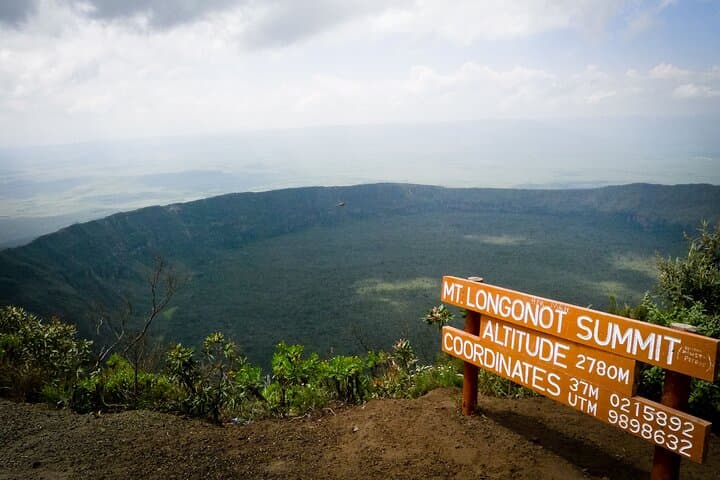
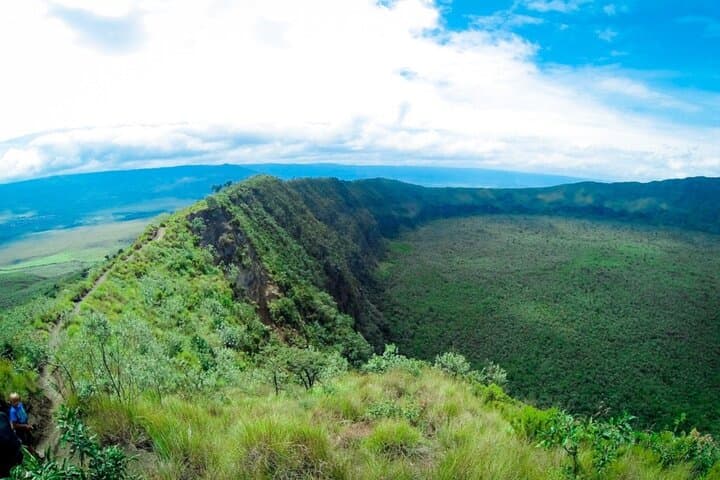
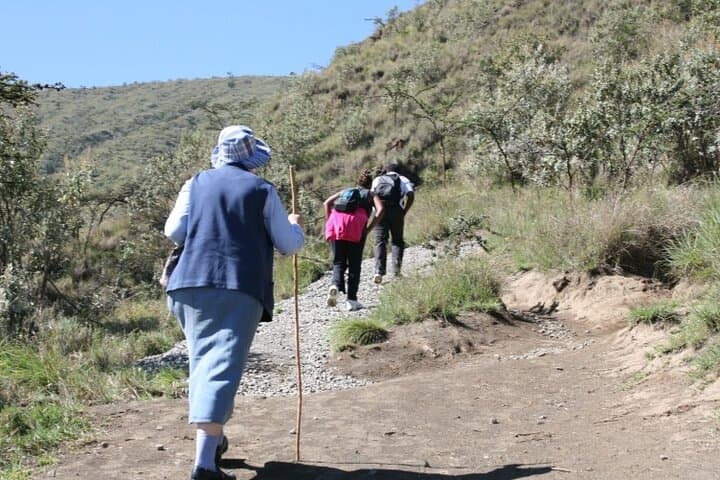
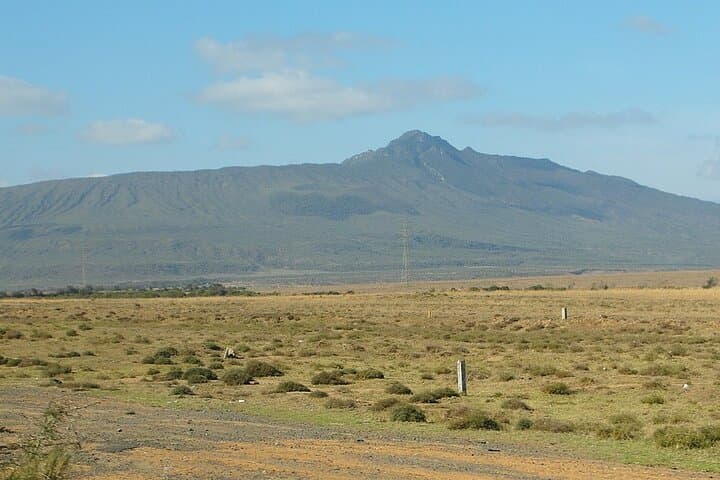
You break from the flat ribbon of road and the Rift Valley opens—broad, sharp, relentless. Mount Longonot rises ahead: a broad, extinct cone with a deep crater and a forest tucked inside its rim. The trail climbs steadily, switching back through grassland that the wind pushes like a living thing, then tightens into shale and volcanic scree as the crater rim comes into view.
You break from the flat ribbon of road and the Rift Valley opens—broad, sharp, relentless. Mount Longonot rises ahead: a broad, extinct cone with a deep crater and a forest tucked inside its rim. The trail climbs steadily, switching back through grassland that the wind pushes like a living thing, then tightens into shale and volcanic scree as the crater rim comes into view.
Geology here is direct: basaltic lava flows and ash from Rift Valley uplift created the steep walls and the bowl that holds an inner forest. Culturally, the slopes sit within Maasai and Kikuyu country; pastoralists have long used the surrounding plains for grazing and the Rift for routes between homesteads. Wildlife moves along the margins—zebra and gazelle on the lower plains, buffalo nearer the crater forest, and the occasional predator shadowing those herds.
Expect about 5–7 hours for the round trip depending on pace, with roughly 700–900 m of elevation gain to the rim and a narrow trail that alternates packed dirt, loose rock, and short steeper pitches. The crater rim rewards effort with sweeping views across Lake Naivasha and the floor of the Rift; the crater interior’s forest feels cooler, as if the mountain itself is holding its breath.
Practical guidance: start early to avoid midday sun, carry 2–3 liters of water, and wear grippy boots for loose volcanic scree. Keep to the marked path to protect fragile soils and wildlife — the mountain is both a viewpoint and a habitat, and it reacts when hikers wander. With good planning this is a high-reward day hike that pairs geology, wildlife watching, and bold Rift Valley panoramas.