
What the day feels like
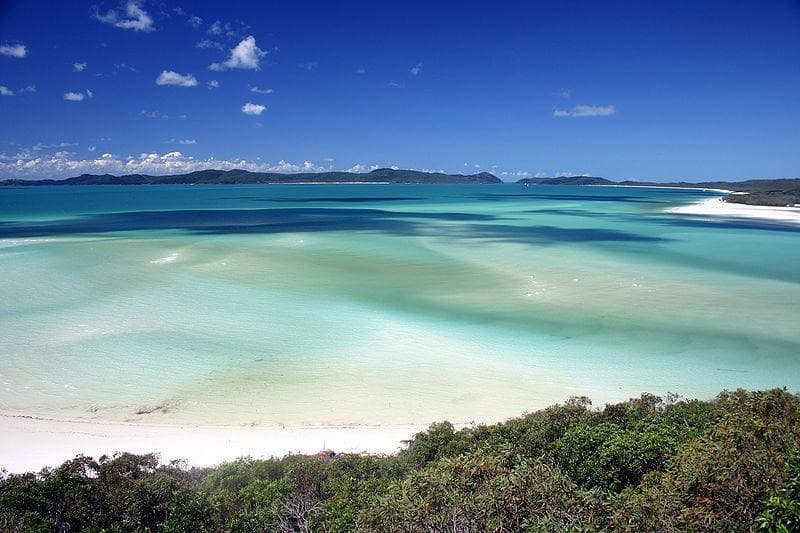
You step off the tender and the world rearranges itself around a single color: white. The sand beneath your feet doesn’t bite heat; it almost inhales it, a powder so fine and bright that it feels as if you’re walking on sifted bone. Above you, the Whitsunday sky is a clean blue, an ocean swath beyond that an impossible gradient of turquoise and deep navy. This is Whitehaven Beach, a 7‑kilometre ribbon of 98% pure silica that runs the eastern flank of Whitsunday Island like a promise. It’s not just a beach; it’s a lesson in how geology, tides and light conspire to make a place both fragile and exquisite.
Early mornings or the slow light of late afternoon are when Whitehaven reveals itself best. The first thing to do is walk the sand toward Hill Inlet’s southern edge and climb the short, sharplooking path to the Hill Inlet lookout—10 minutes from Tongue Bay if you land on its northern side, a bit longer from the south. From the vantage point the inlet looks painted: tidal currents braid white and sea into a living marble. The patterns are transient; every tide redraws the map. Photographers, sailors and armchair romantics find the view addictive for that reason alone.
Geology does the heavy lifting here. The silica is so pure because it’s been stripped and refined by the sea over millennia, ground down to grains that reflect light differently than typical sand—hence the almost luminous quality and the fact the sand stays cool to the touch, even in heat. That quality makes Whitehaven a practical barefoot beach. But the fragility that makes the place beautiful also makes it vulnerable: the silica’s very fineness is easily disturbed, and human traffic can accelerate erosion if visitors aren’t thoughtful.
This coastline also carries stories. The Whitsundays are part of the traditional lands of the Ngaro people, seafaring custodians who navigated these waters long before yachts and scenic flights appeared on the horizon. European names—Captain Cook sailed through these channels—sit alongside Indigenous histories and modern resort culture that has learned to coexist with a place that resists domestication.
Access shapes how you experience Whitehaven. Most visitors arrive by boat from Airlie Beach: high‑speed catamarans, classic tall ships and barefoot‑luxury yachts all drop anchor on different parts of the sand. For a concise, activity‑packed option, the Whitehaven Beach Morning or Afternoon Tour from Port of Airlie offers swimming, stand‑up paddleboarding and up to two hours on the sand—enough time to hit the shoreline and cool off. If you want more time, the Whitehaven Beach Club Transfers provide over four hours and a buffet lunch, plus gear for SUPs and optional reef snorkeling for a modest fee. For a slower, more intimate day, book one of the tall‑ship charters—Providence or the Lady Enid—or a private sailing experience to feel the islands unfold by sail, with the chance to snorkel at Langford Reef where turtles are commonly sighted.
If you have a day to compress into a memory, pair a scenic flight with a boat trip. The Fly Raft package and the 60‑minute scenic flights put Whitehaven in the context of the Great Barrier Reef—Heart Reef, Hill Inlet and the mosaic of islands look different from above, and those aerials are the reason the Whitsundays are photographed so often. There are helicopter options, too; note they carry passenger weight limits and limited time on the beach.
Practicalities matter as much as wonder. The beach is 7 km long but services are limited—bring water, reef‑safe sunscreen and a hat. Swimmer safety changes with the season: stinger season runs roughly November–May and many operators provide stinger suits; outside those months, currents and occasional rips still require respect. Sand shoes or sandals are handy for the Hill Inlet walk and any rocky fringe; the silica can be powdery and cling to damp clothing.
Timing is tactical. Hill Inlet’s swirling sands show best when tide and current meet; photographers chase the light around mid‑morning, though golden hour can be hauntingly beautiful. Morning cruises tend to be breezier and less crowded; afternoon options can be windier but deliver warm light for photos. If you plan to snorkel after the beach, choose operators that include local reef stops—Langford Reef and Betty’s Beach are reliable spots for colorful coral and, often, turtles.
Leave no trace is not a slogan here; it’s a requirement. The silica is easily moved—avoid digging trenches or building structures—and the surrounding reefs need reef‑safe sunscreen and careful finning. Many operators brief guests on reef etiquette, and national park rules limit what you can collect or disturb.
Where to base yourself? Airlie Beach is the practical hub: it’s a 30–45 minute transfer to departure marinas, offers rental gear and has the cafés and markets you’ll want before or after a day at sea. If you prefer to arrive in style, seaplanes and helicopters connect from private resorts and regional airports.
Whitehaven feels elemental: wind, sand, water and sky. It will demand your attention quietly—skip the headphones, find a patch of sand, and let the pace of the place set your day. Whether you approach by sail, speedboat, aircraft or a carefully chosen tour, plan with respect and you’ll leave with an image that keeps replaying: a white shoreline curved like a crescent, a tide painting ephemeral art in the inlet, and the slow, honest work of the ocean reshaping the coast.
If you go, go curious. Ask about the Ngaro stories, learn how tides form the inlet, and treat the silica like the rare, living thing it is. There’s a reason operators highlight Whitehaven as the emblem of the Whitsundays. When the light hits the sand just so, you’ll understand why it has become an almost sacred stop on the Great Barrier Reef’s long, coastal litany.
Trail wisdom
Small choices, better day.
Time Hill Inlet for the tide
Visit the Hill Inlet lookout around mid‑morning or at high tide when currents carve the most dramatic sand patterns.
Wear reef‑safe sunscreen
Coral and marine life are sensitive—use sunscreen labeled reef‑safe and apply before boarding to protect reefs.
Bring plenty of water
There are no shops on the beach; carry at least 1–2 liters per person, more if you’ll be active in the sun.
Book the right arrival
Choose tours that match your priorities—short morning/afternoon cruises for a quick visit, full‑day club transfers for more beach time, or tall‑ship charters for a leisurely sail and snorkeling.
Local knowledge
Read the place, not just the route.
Watch for native species including Green sea turtles, tropical reef fish (angelfish, parrotfish) and occasional rays.
Keep an eye out for wildlife during the transition between areas and habitats. Respect distance guidelines.
Whitehaven sits within a national park and is protected by marine and park regulations; operators promote reef‑safe sunscreen, no‑take rules and limited access to sensitive zones to minimize impact.
Follow the guide's instructions on size limits, ethical handling, and leave-no-trace practices.
Southern Lookout bush walk at the beach’s quieter southern end. Betty’s Beach and Langford Reef for quieter snorkeling and turtle sightings
Locally recommended viewpoints and quiet spots known best to local operators.
The Whitsunday Islands are part of the traditional lands of the Ngaro people; Captain Cook charted the passage in 1770, and modern tourism has evolved around careful protection of the islands’ resources.
Maritime roots and regional tradition shape the waterways and working coasts.
Seasonal guide
Four versions of the same landscape.
Spring
Best forbalance of warm weather and fewer crowds · wildlife sightings as waters warm
Challengesoccasional rain in early spring · jellyfish season may begin late in the season
Spring (September–November) offers warming waters and fewer peak‑season crowds, though stinger season begins toward late spring—check operator guidance.
Summer
Best forlush island scenery · long daylight hours for activities
Challengeshigh heat and humidity · stinger season (November–May) and potential tropical storms
Summer brings hot, humid weather and stinger season—operators often issue suits for safe swimming; plan early starts to avoid mid‑day heat.
Fall
Best forcalmer seas for snorkeling · clear light for photography
Challengesincreasing humidity late in the season · variable tides affect Hill Inlet views
Autumn offers stable sea conditions and good visibility for reef snorkeling, with cooling nights and reliable boat services.
Winter
Best forclear skies and calm seas · whale watching from June–August
Challengescooler water temperatures (bring a light wetsuit for snorkeling) · peak visitor season can mean busy tours
Winter (June–August) is the dry season—clear, calm days and excellent visibility, making it the most popular time to visit.
Pack with intention
What to bring.
Good to know
Common questions.
Most visitors depart from Airlie Beach by speedboat, catamaran or tall ship; alternatives include scenic flights or helicopter charters that land near Tongue Bay.
Plan the edges
The details that make the day easier.
Whitehaven Beach’s sand is approximately 98% pure silica—its unique composition is why the sand stays cool and why the beach appears so brilliantly white.
Airlie Beach is the gateway town—expect surf‑culture cafés, weekend markets, fresh seafood and island‑themed dining. Many operators highlight Ngaro cultural history; check local tours for Indigenous storytelling and ranger‑led walks.
- Departure hub
- Airlie Beach; typical visit length: 2–6 hours; main access: boat, private yacht, scenic flight, helicopter; essentials: reef‑safe sunscreen, water, hat; note: stinger season November–May.
Choose operators that follow national park guidelines, use reef‑safe products, limit waste, and brief guests on reef etiquette; small choices—no littering, no shell collecting—help preserve the beach’s rare silica and nearby reef life.
Explore by topic
Follow the threads.
Keep exploring
Make the story part of the trip.
Set out from Bass Harbor for a private, customizable day on Blue Hill Bay — lighthouses, puffins, seals, and the chance to feel Acadia from the water. Small groups, local captains, unforgettable views.
In four hours you can move from shaded canyon ferns to wind-scoured coastal ridgelines, guided by someone who knows where the light—and the hidden views—live. This private half-day hike on the Monterey Peninsula or Big Sur is compact, curated, and perfect for travelers who want depth without a multiday commitment.
 Related story
Beneath a sky of shifting light, Skaftafell’s ice reads like a map of time. This three-hour guided glacier hike mixes technical instruction with geology and culture: compact, safe, and unforgettable.