
What the day feels like
The morning lifts off the city like a slow exhale. You step out of a low-rise lane in Guangzhou and, within thirty minutes by taxi or metro-and-bus, the skyscrapers and hum of traffic are reduced to a distant bass line. Ahead, Baiyun Shan—White Cloud Mountain—arches above the northern edge of the metropolis: a ragged, green silhouette threaded with steps, paved promenades and a cable car that skims the valley like a literal white cloud.
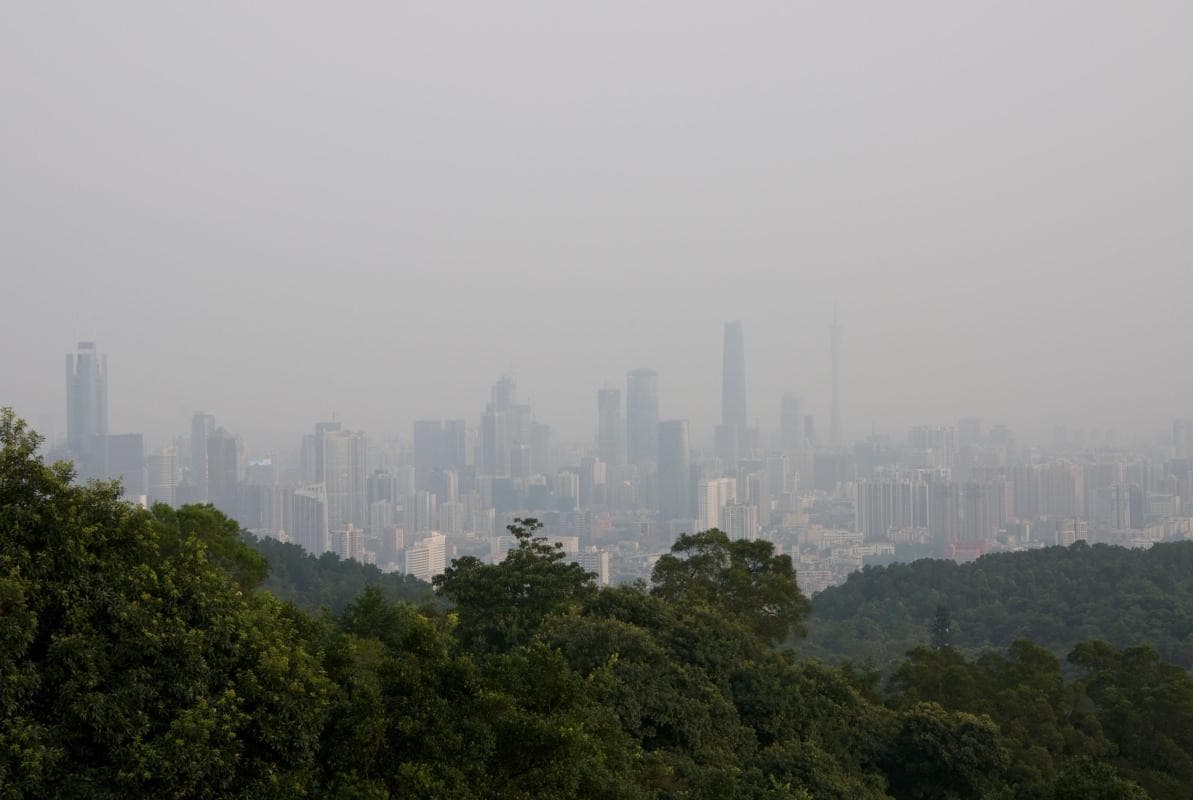
On clear days the city spreads below—the Pearl River braided through neighborhoods and Canton Tower a needle on the skyline. But the mountain changes the view and the pace. Here, evergreen pines and subtropical broadleaf trees thicken along stone staircases, temple roofs peek through mist, and small streams chatter across rock. Hikers—young parents, office colleagues with sneakers, tourists on guided half-day tours—share the switchback with joggers and the occasional monk who pauses mid-step to look out over the city.
Baiyun Shan is not an alpine conquest; it’s a city mountain that asks for curiosity rather than conquest. The most popular circuits are compact enough to fit into a half day—hence the slew of private half-day Baiyun Mountain tours and layover-friendly itineraries that include a stop at Yuntai Garden. But within those few kilometers are enough viewpoints, temple shrines and garden corners to feel like a real escape.
Geology and history here are understated. The ridges are composed of ancient granite outcrops and weathered rock that form terraces and cliffs—softened now by centuries of vegetation. Historically, the mountain has been a scenic landmark for Guangzhou for generations; its name—White Cloud—comes from the frequent low clouds and mist that gather on the higher ridges. Small Buddhist and Taoist temples dot the slopes, and Yuntai Garden, nestled within the park, is a carefully tended botanical space where tile-roofed pavilions and koi ponds slow the rhythm of a brisk walk.
Culturally, Baiyun Shan functions as Guangzhou’s backyard. Locals come at dawn for tai chi and at dusk for family walks; vendors sell tea and skewers near the visitor center; and private guides often include the mountain on customizable city tours, pairing it with dim sum, the Sun Yat-sen Memorial Hall, or even a quick stop near Canton Tower for skyline photos. For travelers on short schedules, popular Viator products include private half-day Baiyun Mountain tours, combined Yuntai Garden and Baiyun Mountain itineraries, and layover-friendly pick-up/drop-off options—services that remove transit friction and let you focus on the walk.
Logistics matter here in a practical way. The most frequented route from the main visitor center to the Moxing Ridge viewpoint is roughly 4–6 kilometers round trip with an elevation gain of about 300–400 meters, depending on the loop you choose. There are stone steps and paved paths, so sneakers or light hiking shoes are fine; if you prefer less climbing, a cable car runs from the park base up toward the scenic high points and can be mixed into an easy loop with short hikes to temples and lookouts. Expect paved promenades near the gardens and more rugged, steep stone stairs on the ridge-circuits.
Timing is everything. Morning—just after sunrise—is prime: air is cooler, light is clean, and the chances of cloud wrapping the peaks are higher, which is exactly the experience the mountain was named for. Late afternoon offers golden-hour views as the city glass warms below, but be mindful that steps can be slippery after rain and the park closes at dusk.
Practical tips to make the day smoother: bring water and a small snack (there are food stalls but options are limited on the higher trails), a lightweight rain layer in humid months, and sunscreen. If you want local context, book a private guide for a half-day tour: guides not only handle transport from central Guangzhou but also point out temple histories, plant species in Yuntai Garden and the best vantage points for photography. For short-stay visitors, the visa-free airport layover tours that include Baiyun Shan are an efficient way to sample both nature and Cantonese cuisine in a single, well-paced outing.
For experienced outdoor travelers the mountain won’t be a technical challenge—but it is an exercise in subtropical hill walking: switchbacks, step climbs and the occasional scramble over wet stone. Wildlife is quiet but present; expect birds, common small mammals and abundant insect life. The botanical variety in Yuntai Garden is worth lingering for, especially in spring when azaleas and camellias bloom.
If you’re packing for Baiyun Shan, prioritize comfort and versatility: a pair of breathable hiking shoes, a light rain shell, a refillable water bottle and a compact camera or smartphone with extra battery. For photographers, sunrise or the early evening glow produces the most dramatic contrasts between topography and city skyline—bring a small tripod for long-exposure shots when cloud and city light meet.
Ultimately, White Cloud Mountain is a lesson in scale and relationship: a place where Guangzhou’s urban pulse meets a green, communal refuge. It’s easy enough for the casually curious and interesting enough for repeat visitors who want a different perspective on the city. Take the cable car one way, hike in the other; wander the Yuntai Garden pavilions and then find a quiet ledge to watch the clouds roll over the ridgeline. The mountain does the rest—softening the city’s edges and asking you to slow down long enough to notice the view.
Trail wisdom
Small choices, better day.
Start early for clouds and cool air
Begin at sunrise if you can—morning light and mist often make the summit views most dramatic and trails less crowded.
Mix cable car with walking
Use the cable car one way to save energy and see the ridgeline, then hike back down to explore temples and gardens on foot.
Carry cash for small vendors
Small food stalls and tea sellers near the park entrance often accept only cash; bring RMB for snacks and small souvenirs.
Wear grippy shoes after rain
Stone steps get slippery when wet—choose shoes with good traction and take poles if you have balance concerns.
Local knowledge
Read the place, not just the route.
Watch for native species including oriental magpie-robin, common tree squirrels.
Keep an eye out for wildlife during the transition between areas and habitats. Respect distance guidelines.
Stay on marked trails, carry out trash and avoid feeding wildlife; the park balances heavy daily visitation with habitat protection efforts.
Follow the guide's instructions on size limits, ethical handling, and leave-no-trace practices.
Yuntai Garden’s koi pond pavilions (peaceful mid-morning). A small Taoist shrine halfway up the east trail where locals leave incense
Locally recommended viewpoints and quiet spots known best to local operators.
Baiyun Shan has long been celebrated as a scenic landmark of Guangzhou; Yuntai Garden within the park is a designed botanical and pavilion space often included on half-day visits.
Maritime roots and regional tradition shape the waterways and working coasts.
Seasonal guide
Four versions of the same landscape.
Spring
Best forflower displays in Yuntai Garden · mild hiking weather · birdwatching
Challengesoccasional rain showers · pollen for sensitive visitors
Spring brings flowers and comfortable temperatures—great for garden walks and easy ridge hikes, but pack a light rain shell.
Summer
Best forlush green scenery · longer daylight hours · early-morning tai chi scenes
Challengeshigh heat and humidity · frequent afternoon thunderstorms
Summer is hot and humid—start early, bring plenty of water and avoid mid-afternoon storms.
Fall
Best forclear city views · pleasant temperatures · photography at golden hour
Challengescooler mornings · more visitors on clear weekends
Autumn offers the clearest air and the best skyline views—ideal for photography and comfortable hikes.
Winter
Best forcrisp, clear visibility · minimal humidity · quiet trails
Challengescooler temperatures at higher elevations · fewer blooming plants
Winter days are often clear and cool; dress in layers for morning chill and warmer midday sun.
Pack with intention
What to bring.
Good to know
Common questions.
Plan 2–4 hours for the popular loops including Yuntai Garden and a summit viewpoint; half-day guided tours are common.
Plan the edges
The details that make the day easier.
Yuntai Garden is part of the Baiyun Mountain park complex and is commonly paired with Baiyun Shan visits on half-day tours—many guided itineraries include both.
Pair a walk on Baiyun Shan with Cantonese dim sum in Guangzhou—many private tours include a traditional tea house lunch, offering a local culinary counterpoint to the mountain’s calm.
- Closest city
- Guangzhou. Typical visit: 2–4 hours. Options: hike, cable car, guided half-day tours. Bring water, cash, comfortable shoes. Park closes at dusk.
Follow Leave No Trace: stay on marked paths, avoid single-use plastics where possible, and respect temple spaces—tour operators often brief visitors on local cultural etiquette.
Explore by topic
Follow the threads.
Keep exploring
Make the story part of the trip.
Set out from Bass Harbor for a private, customizable day on Blue Hill Bay — lighthouses, puffins, seals, and the chance to feel Acadia from the water. Small groups, local captains, unforgettable views.
In four hours you can move from shaded canyon ferns to wind-scoured coastal ridgelines, guided by someone who knows where the light—and the hidden views—live. This private half-day hike on the Monterey Peninsula or Big Sur is compact, curated, and perfect for travelers who want depth without a multiday commitment.
 Related story
Beneath a sky of shifting light, Skaftafell’s ice reads like a map of time. This three-hour guided glacier hike mixes technical instruction with geology and culture: compact, safe, and unforgettable.