
What the day feels like
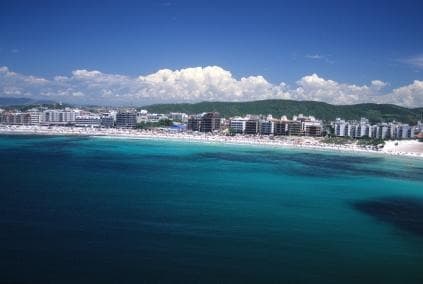
You arrive at Praia do Forte by road as the highway peels away from Salvador and the city’s heat gives to a longer, gentler tempo. Coconut palms lean like watchful sentinels along the Costa dos Coqueiros, their fronds whispering in a steady Atlantic breeze. The sand here isn’t just sand; it’s a warm, tactile ledger of tides and time—smooth, pale, and often ringed with neat, reef-formed pools that mirror the sky. Waves press and retreat with a steady insistence, daring you to step into the surf, while fishermen’s boats bob like punctuation marks on a sentence that’s been written in salt and light.
Praia do Forte is both a village and a hinge: a stretch of coastline where biodiversity and culture meet tourism in a deliberate, low-key way. It’s best known for the Tamar Project—the national sea turtle conservation program whose headquarters and interactive center draw curious travelers, school groups, and researchers. At the tide line, natural pools formed by offshore reefs create effortless snorkeling venues, where schools of snapper and parrotfish move like living mosaics among corals and the occasional grazing turtle.
Geologically, this coast is a story of coral, sand, and the slow work of currents. Reefs offshore have built a protective shelf that breaks the Atlantic’s full force and leaves behind calm lagoons, ideal for families and first-time snorkelers. Culturally, the area is steeped in the rhythms of Bahia: Afro-Brazilian food dominated by coconut and dendê (palm oil), samba and percussive beats that make their way into daily life, and a relaxed commerce of artisanal shops offering everything from shell jewelry to hand-dyed linens.
Why go now? Because Praia do Forte is rare among beach destinations: it pairs easy, story-rich wildlife encounters with uncomplicated, high-quality beach time. A morning might begin with a guided Tamar visit—watching keepers release a rehabilitated turtle or standing in a viewing gallery as hatchlings make their first dash toward the sea. The afternoon is for salt and sun: snorkeling in the reef pools off the main beach, walking the stretch toward the tidal pools, or slipping into a caiçara-style café for moqueca (a coconut- and palm-oil–rich fish stew) and a cold coconut water.
Practical edge: Praia do Forte sits about 50–60 km north of Salvador—roughly a 1–1.5 hour drive depending on traffic. Most tours from Salvador package transport, a Tamar visit, and time for beach swimming or a village stroll; private transfers let you customize timing and linger where you want. Natural pools are best at low to mid tide; check local tide charts or ask guides so your snorkeling finds clear water and exposed coral gardens, not churned sand.
Safety and sustainability are non-negotiables here. Reef-safe sunscreen is not just courteous; it helps preserve fragile coral life. The Tamar Project depends on local and visitor support—entrance fees and donations fund tagging, rescue, and research. Respect roped-off nesting areas and heed local guides during seasons when turtles come ashore.
If you’re planning: wear water shoes for reef exploring—sharp coral and barnacles are common—and bring a snorkel mask if you prefer your own gear. Bring cash for small vendors; while Praia do Forte has several boutiques and restaurants that accept cards, wheels of local commerce still turn on reais in your pocket. The busiest months are Brazilian summer and holiday periods; to avoid crowds but retain warm, calm seas, target shoulder-season spring months.
For active travelers, there’s more than beach lounging. Hikes through nearby restinga scrub and shaded coastal trails reward you with birdlife and quiet viewpoints; kayak and small-boat operators will take you to quieter bays and secret snorkel spots; and the stretch north to Guarajuba offers a chain of accessible beaches if you want to beach-hop. If you only have a day, book a tour that includes the Tamar visit followed by two hours of snorkeling and a village walk—efficient, educational, and restorative.
Praia do Forte delivers what its name promises: a strong place. But that strength is measured gently—through conservation victories, reef-protected waters, and a village economy that remembers how to balance tourism with local life. Come for the sea turtles, stay for the rhythm of the Coconut Coast and a seafood stew that tastes of the place itself.
Trail wisdom
Small choices, better day.
Time your snorkeling with the tide
Natural pools and reef snorkeling are clearest at low to mid tide—ask a local or check tide charts for the day.
Bring reef-safe sunscreen
Avoid chemical sunscreens that harm corals; choose mineral-based SPF to protect both you and the reef.
Cash for small purchases
Carry some Brazilian reais for beach vendors, small cafes, and local crafts—cards aren’t always accepted.
Respect nesting sites
If you encounter roped-off areas or a Tamar guide, keep distance—nests are fragile and protected.
Local knowledge
Read the place, not just the route.
Watch for native species including Green sea turtle, Tropical reef fish (parrotfish, sergeant majors).
Keep an eye out for wildlife during the transition between areas and habitats. Respect distance guidelines.
Projeto Tamar’s local base funds research, rescue, and education; visitors support conservation through admission fees and donations, and reef-safe practices help maintain the coastline’s health.
Follow the guide's instructions on size limits, ethical handling, and leave-no-trace practices.
Walk north from the main beach to the little rock pools past the village for quieter snorkeling spots.. Visit early morning artisanal markets near the town square for handmade jewelry and local coconut sweets.
Locally recommended viewpoints and quiet spots known best to local operators.
Praia do Forte grew from a fishing village into a conservation and tourism hub; its Tamar center has been central to the region’s modern identity.
Maritime roots and regional tradition shape the waterways and working coasts.
Seasonal guide
Four versions of the same landscape.
Spring
Best forgentle seas · snorkeling · fewer crowds
Challengesoccasional showers · variable winds
Spring (Sep–Nov) brings warm water, clearer snorkeling, and fewer visitors—ideal for calm reef viewing.
Summer
Best forwarmest water · long beach days · vibrant local festivals
Challengeshigher temps · peak tourism crowds · afternoon showers
Summer (Dec–Feb) is hot and festive; book ahead and guard against midday sun and busy beaches.
Fall
Best forturtle activity · shoulder-season rates · pleasant temperatures
Challengesoccasional rain · shorter days
Fall (Mar–May) can offer strong wildlife encounters and quieter accommodation options, though expect sporadic rain.
Winter
Best formild weather · low-season tranquility · good surf north of the village
Challengescooler nights · business hours may reduce in low season
Winter (Jun–Aug) is milder with fewer tourists—excellent for quiet beach walks and budget lodging.
Pack with intention
What to bring.
Good to know
Common questions.
About 50–60 km north of Salvador; travel time by car is roughly 1 to 1.5 hours depending on traffic.
Plan the edges
The details that make the day easier.
Projeto Tamar, Brazil’s national sea turtle conservation program, was established in 1980; Praia do Forte hosts one of its most active visitor and research centers.
Bahian flavors dominate—try acarajé, moqueca, and fresh coconut water; local craft shops sell lace, ceramics, and shell jewelry, and music often spills into the streets in the afternoon.
- Distance
- ~50–60 km from Salvador; Transport: private transfer, shared tours, or rental car; Currency: Brazilian real (BRL); Language: Portuguese; Key attraction: Projeto Tamar (sea turtle conservation).
Support local conservation by visiting the Tamar center, choosing reef-safe sunscreens, and avoiding trampling corals or disturbing nesting sites.
Explore by topic
Follow the threads.
Keep exploring
Make the story part of the trip.
Set out from Bass Harbor for a private, customizable day on Blue Hill Bay — lighthouses, puffins, seals, and the chance to feel Acadia from the water. Small groups, local captains, unforgettable views.
In four hours you can move from shaded canyon ferns to wind-scoured coastal ridgelines, guided by someone who knows where the light—and the hidden views—live. This private half-day hike on the Monterey Peninsula or Big Sur is compact, curated, and perfect for travelers who want depth without a multiday commitment.
 Related story
Beneath a sky of shifting light, Skaftafell’s ice reads like a map of time. This three-hour guided glacier hike mixes technical instruction with geology and culture: compact, safe, and unforgettable.